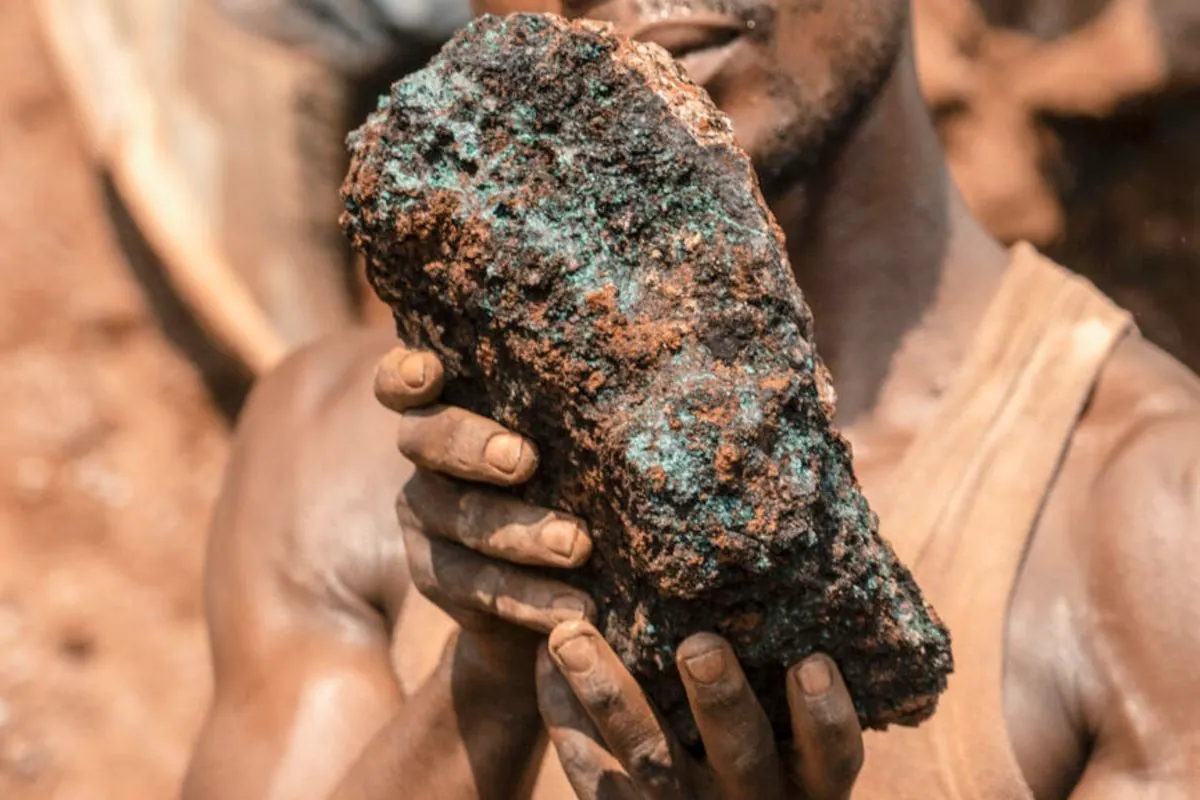
Tanzania is on the verge of a nuclear energy revolution that could reshape its economic destiny and position the nation among Africa's elite uranium producers. The country is investing $1 billion to transform its vast uranium reserves into a strategic economic asset. This move is expected to make Tanzania the third-largest producer in Africa after Niger and Namibia. The project is a significant development in the country's mining sector and is expected to have a positive impact on the economy.
The Mkuju River uranium project in Namtumbo District, Ruvuma Region, is at the heart of Tanzania's nuclear ambition. The project, valued at approximately $1 billion, is emerging from more than a decade of dormancy to become one of the most strategically significant mining ventures in the country's history. Developed by Mantra Tanzania Limited, a subsidiary of Russia's Uranium One Group under Rosatom, the project remained largely dormant after the 2011 Fukushima nuclear disaster triggered a collapse in global uranium prices.
Rising global demand for nuclear energy as governments pursue low-carbon solutions has reignited interest in the Mkuju River project. The deposit is estimated to contain about 139 million tonnes of uranium ore, with projected production of approximately 3,000 tonnes annually at full capacity. This is enough to contribute about 4 per cent of global uranium supply and position Tanzania as a major player in the global mining sector.
On July 30, 2025, President Samia Suluhu Hassan commissioned a pilot uranium processing plant at the Mkuju River site, describing it as a historic day for the nation. The President noted that uranium is one of the strategic minerals Tanzania has been blessed with and its availability will contribute to generating safe energy and strengthening Tanzania's position in the global mining sector.
Sustainability Manager Majani Moremi confirmed that financing for the project is being structured in phases. The project is viewed by the company and its shareholders as a long-term strategic investment for Tanzania. Deputy Minister for Minerals Steven Kiruswa reassured investors that the project is a strategic project for the nation and Tanzanians are expecting to benefit from the economic opportunities that will come with its implementation.
President Hassan made Tanzania's nuclear ambitions clear to the global business community at the St Petersburg International Economic Forum in June 2026, listing nuclear energy among the country's top five investment priorities. She noted that foreign direct investment had increased to about $5 billion in 2025 from nearly $3 billion in 2021. Russian President Vladimir Putin acknowledged Tanzania's growing strategic importance, describing the country as playing a similar role in East Africa to that of Uzbekistan in Central Asia.
The project promises substantial employment opportunities for Tanzanian citizens, with government estimates indicating more than 4,000 direct jobs could be created during operations, while more than 100,000 indirect jobs may emerge through construction, transport and logistics. Mantra Tanzania estimates at least 21,000 households in Namtumbo and neighbouring communities stand to benefit. The project is intended not only to produce uranium but also to build local technical expertise and create sustainable economic opportunities for communities around the mine.
Key points
- Tanzania aims to become a major uranium producer with a $1 billion project.
- The Mkuju River project is expected to contribute about 4 per cent of global uranium supply.
- The project promises substantial employment opportunities for Tanzanian citizens.