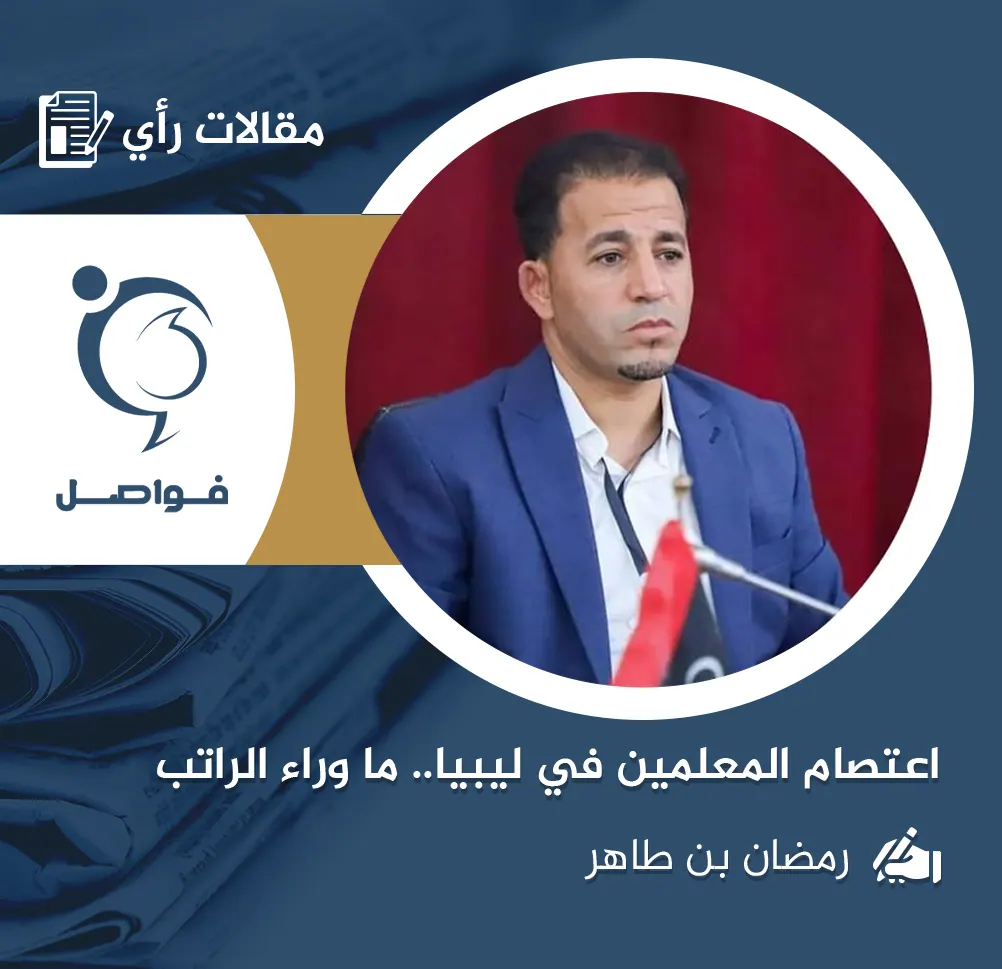
A recent strike by Libyan teachers has brought attention to the challenges faced by educators in the country. The strike, which began on October 1, 2026, is not just about salary increases, but also about the broader issues of education and resource distribution in Libya. Teachers are seeking fair compensation, but also questioning the criteria used to determine salaries and benefits for different sectors. This has sparked a national conversation about the need for education reform and fair compensation for all public sector employees.
The strike is not the first of its kind in Libya. In the past, teachers have taken to the streets to demand better working conditions and higher salaries. The government has responded with salary increases, but these have been eroded by inflation and the decline of the Libyan dinar. Furthermore, other sectors have received larger increases, leading to feelings of injustice and frustration among teachers. This has created a sense of inequality and has contributed to the current strike.
The Libyan education system is in need of reform. The sector is facing significant challenges, including a lack of resources, outdated curricula, and inadequate infrastructure. The strike has highlighted the need for a comprehensive overhaul of the education system, including improvements to teacher training, salaries, and working conditions. However, this will require significant investment and a commitment to reform from the government.
The strike has also highlighted the broader issues of governance and resource distribution in Libya. The country has been plagued by instability and conflict since the 2011 revolution, and this has had a significant impact on the economy and public services. The strike has exposed the weaknesses of the Libyan state and the need for a more effective and equitable system of governance.
The Libyan government faces significant challenges in addressing the demands of the teachers and other public sector employees. The country is heavily reliant on oil revenues, and the decline of the oil price has had a significant impact on the economy. However, the government must find a way to balance the budget with the need to provide fair compensation and services to its citizens.
The strike has sparked a national conversation about the future of education in Libya. Many Libyans are calling for a more equitable and effective education system, one that prioritizes the needs of students and teachers. This will require significant investment and reform, but it is essential for the future of the country.
The outcome of the strike is uncertain, but it is clear that the issue of teacher salaries and education reform will not go away. The Libyan government must engage in meaningful dialogue with teachers and other stakeholders to find a solution that addresses the needs of all parties. Ultimately, the goal must be to create a more equitable and effective education system that prioritizes the needs of students and teachers.
Key points
- The Libyan teachers' strike highlights the need for fair compensation and education reform in the country.
- The strike has exposed the weaknesses of the Libyan state and the need for a more effective and equitable system of governance.
- The outcome of the strike will have significant implications for the future of education in Libya and the broader issues of governance and resource distribution.