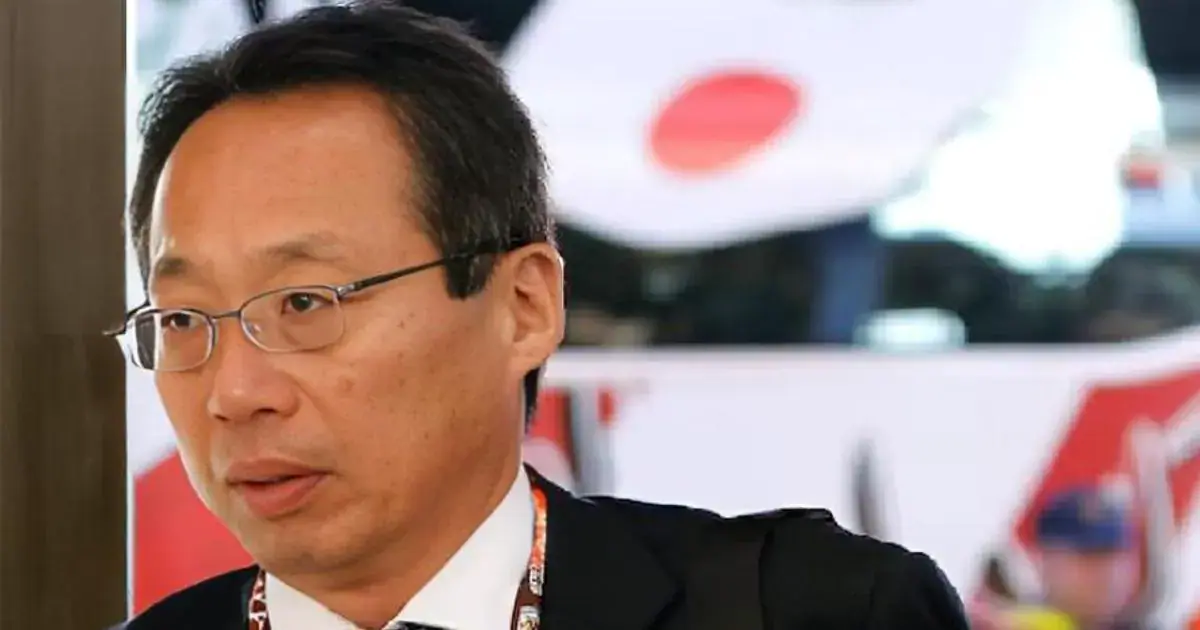
Takeshi Okada, the former coach of Japan's national team, has resigned as vice-president of the Japan Football Association (JFA). Okada cited personal convictions and disagreements with recent FIFA and AFC decisions surrounding the 2026 World Cup as the reason for his resignation. The JFA announced Okada's departure on Wednesday, marking a significant development in Japanese football administration. Okada's resignation comes amid growing debate within Asian football over FIFA's leadership and direction.
Okada's decision to resign was influenced by his long-standing belief that sports should uphold integrity and serve a broader social purpose. He expressed his concerns in a statement published on the JFA's official website, stating that recent actions surrounding the FIFA World Cup conflicted with his personal convictions. Okada's departure raises questions about the implications of disagreements over football governance, particularly as the sport prepares for the 2026 World Cup.
The Asian Football Confederation (AFC) recently endorsed Gianni Infantino for another term as FIFA president, which may have contributed to Okada's resignation. The endorsement was announced at the AFC's extraordinary congress in Tokyo a week before the JFA confirmed Okada's departure. This move marked a change from the AFC's position three months earlier, when it criticised FIFA over the abandoned FIFA Forward Enterprise (FFE) proposal.
Okada is a prominent figure in Japanese football, having coached Japan at the 1998 and 2010 FIFA World Cups. He led Japan to the knockout stage at the 2010 tournament in South Africa, where the team reached the round of 16 before losing to Paraguay on penalties. His experience in international football and his role within the JFA make his resignation a notable development for Japanese football.
The 2026 World Cup will be jointly hosted by the United States, Canada, and Mexico, making Okada's resignation a significant event in the lead-up to the tournament. The JFA has announced his resignation, but further clarification on the specific FIFA World Cup decisions behind his objections would be needed to establish the full extent of his concerns. Okada did not elaborate further on the specific decisions that prompted his resignation.
Okada's resignation follows growing debate within Asian football over FIFA's leadership and direction. The AFC's endorsement of Infantino's re-election bid signals support from Asia as the process surrounding the next FIFA presidential election continues. Infantino, who became FIFA president in 2016, is seeking another term in office.
The implications of Okada's resignation on Japanese football and the broader Asian football landscape remain to be seen. His departure highlights the ongoing discussions and debates surrounding football governance, particularly in the lead-up to the 2026 World Cup. The JFA and AFC will likely face increased scrutiny as the tournament approaches.
Key points
- Takeshi Okada resigned as JFA vice-president due to disagreements with FIFA and AFC decisions surrounding the 2026 World Cup.
- Okada cited personal convictions about sporting integrity and social importance as the reason for his resignation.
- The AFC recently endorsed Gianni Infantino for another term as FIFA president, which may have contributed to Okada's resignation.