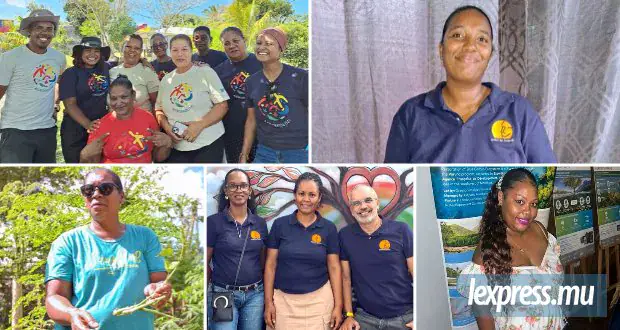
In Mauritius, a series of community gardens have sprouted up, offering more than just a place to grow vegetables. These therapeutic gardens, run by local non-governmental organizations (NGOs), provide a safe space for women to heal, build confidence, and gain autonomy. At the garden in Chamarel, women can participate in a six-month program that combines gardening with counseling and personal development. This approach has helped women who had lost confidence in themselves and their abilities to regain their footing and find employment.
One such woman is Wendy Narain, a former chef who turned to the garden for support during a difficult time in her life. With the help of the garden's staff, Narain was able to overcome her challenges and eventually became a stage manager, helping others to follow in her footsteps. The garden's focus on the human element, rather than just the plants, is key to its success. Each day begins with a check-in over a cup of tea, allowing participants to share their experiences and set goals for the day.
The garden in Chamarel was established over 15 years ago by the NGO Soleil de l'Ouest, with funding from the European Union. Since then, it has helped countless women to rebuild their lives. According to Bernard d'Argent, the organization's director, the garden provides a holistic approach to healing, addressing the personal, family, and environmental aspects of a woman's life. This approach has led to remarkable results, with many participants going on to start their own gardens and find employment.
Another example of the garden's success is Fabiola Lagrosse, a mother of two who began attending the garden five months ago. She credits the garden with helping her to overcome her struggles and find a sense of purpose. Through the garden, Lagrosse has learned new skills, such as planting and teamwork, and has even started her own small garden at home.
The gardens in Ferney and Ville-Noire were established more recently, in response to the COVID-19 pandemic and the sinking of the MV Wakashio, which left many communities without access to the sea. The garden in Ferney, run by the organization South East Ladies Agro, provides a space for women to learn about agroecology and grow their own food. According to Sandy Monrose, the garden's coordinator, the program has helped women to gain confidence and improve their health.
In Ville-Noire, the Resilient Organic Community (ROC) garden was established as a response to concerns about food security and sovereignty. The garden provides a space for the community to come together and learn about sustainable farming practices. According to Astride Raghoonauth, the garden's coordinator, the program has helped to bring the community together and promote a sense of resilience.
The impact of these gardens extends far beyond the individuals who participate in them. By promoting sustainable farming practices and providing a space for women to heal and build confidence, these gardens are helping to create a more resilient and equitable community. As the gardens continue to grow and thrive, it is clear that their impact will be felt for years to come.
Key points
- The gardens provide a holistic approach to healing, addressing the personal, family, and environmental aspects of a woman's life.
- The programs have helped women to gain confidence, improve their health, and find employment.
- The gardens promote sustainable farming practices and provide a space for community building and empowerment.