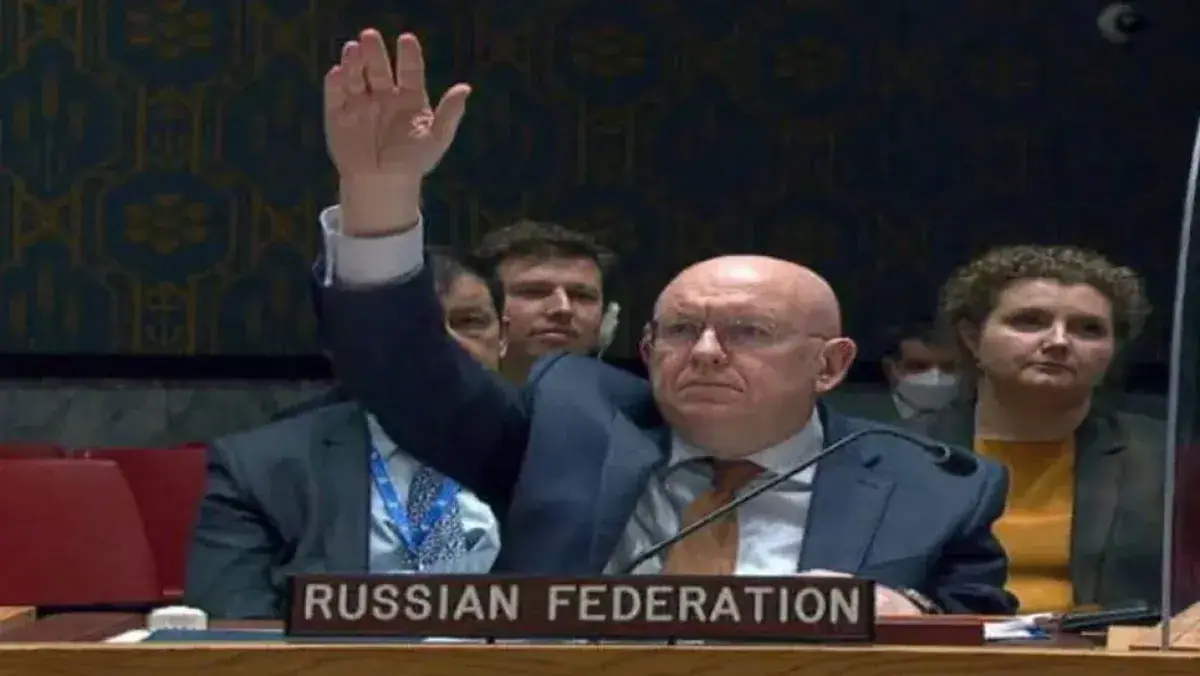
In a significant development at the United Nations Security Council, Russia has vetoed a US resolution on Western Sahara. The resolution was put to a vote on Friday, but Russia's veto power prevented it from being adopted. Prior to the vote, Russia had introduced a rival resolution that would extend the mandate of the UN's MINURSO mission for another year. The Russian resolution emphasizes the need for a fair, lasting, and mutually acceptable solution, in line with the UN Charter, including the principle of self-determination.
The Russian veto is seen as a diplomatic victory for the Polisario Front, which has been fighting for the independence of Western Sahara. The Polisario Front had denounced the US resolution as unfair. By introducing its own resolution, Russia has signaled a significant shift in its stance on the Western Sahara issue, moving away from its previous policy of avoiding confrontation. This development has raised the stakes in the long-standing dispute over Western Sahara.
The US had rejected the Russian resolution, as expected. The veto has set the stage for further negotiations behind the scenes at the UN to find a compromise that all parties can accept. The Russian veto has changed the dynamics of the conflict, with Moscow now playing a more significant role in the Western Sahara issue. Russia's move has been welcomed by the Sahrawi people, who have been seeking independence from Morocco.
Algeria's Ambassador to the UN, Amar Benjamme, addressed the Security Council after the vote. He thanked Russia for introducing the resolution to extend the MINURSO mission. Benjamme emphasized that self-determination was a fundamental principle for resolving the Western Sahara conflict. He also highlighted Algeria's commitment to finding a peaceful solution and its support for the Sahrawi people.
Benjamme noted that negotiations were essential to resolving the conflict, but they required good faith and a willingness to listen from all parties involved. He stressed that no one had the right to grant the occupying power more authority than it already had. Benjamme drew parallels between the Western Sahara conflict and other long-standing disputes, emphasizing the importance of upholding the principles of self-determination and international law.
The Algerian ambassador concluded his statement by highlighting his country's experience with self-determination. He recalled that Algeria had fought for its independence and was committed to supporting the Sahrawi people in their quest for self-determination. Benjamme emphasized that Algeria would continue to work towards a fair and lasting solution that was acceptable to all parties.
The Russian veto has significant implications for the future of Western Sahara. The move is likely to lead to further diplomatic efforts to find a solution to the long-standing conflict. The UN Security Council will need to revisit the issue and find a way to move forward that takes into account the interests of all parties involved.
Key points
- Russia's veto of the US resolution on Western Sahara marks a significant shift in its stance on the issue.
- The veto has set the stage for further negotiations at the UN to find a compromise on Western Sahara.
- Algeria has expressed its support for the Sahrawi people and emphasized the importance of self-determination in resolving the conflict.