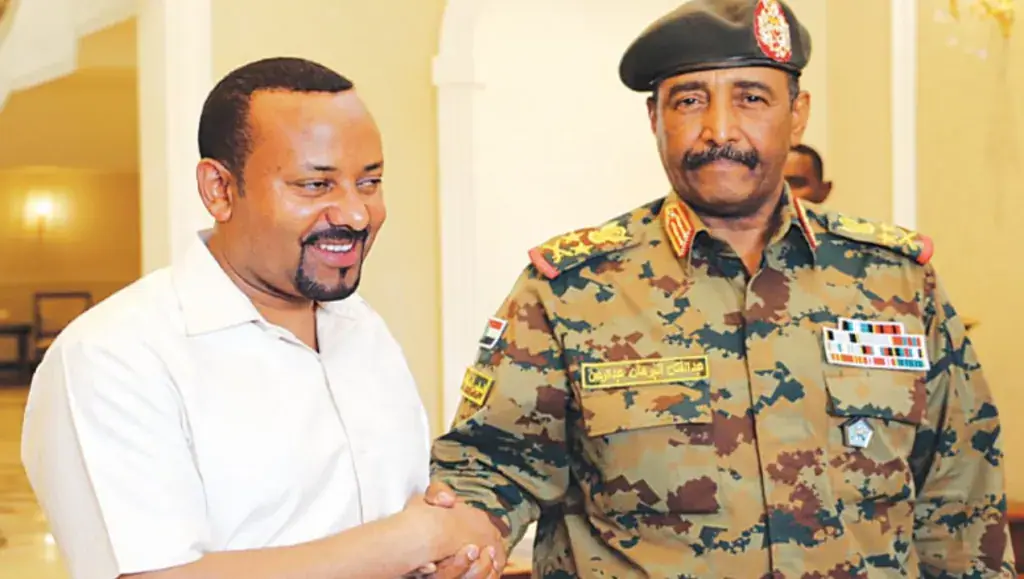
The Sudanese army, led by commander Abdel Fattah al-Burhan, has rejected an Ethiopian proposal aimed at ending the war in Sudan. This rejection comes despite the worsening humanitarian crisis in the country, described by the United Nations as the world's worst. The Ethiopian initiative sought to host a comprehensive dialogue in Addis Ababa, aiming to halt the war and divisions, and reach a national consensus for sustainable peace.
The Port Sudan authorities, represented by the army and radical Islamist movements, have consistently rejected peace initiatives since the outbreak of the war in mid-April 2023. They view the Ethiopian proposal as an attempt by a non-neutral party to intervene in the conflict. The Sudan News Agency reported that the government categorically rejected the Ethiopian proposal, reaffirming its commitment to continuing the war as the only viable option.
Ethiopian Prime Minister Abiy Ahmed launched the diplomatic initiative to sponsor a comprehensive Sudanese dialogue in Addis Ababa. The initiative aims to bring all parties to the conflict to the negotiating table, halt the fighting, and establish a national unity government. This government would focus on restoring state institutions, safeguarding Sudan's sovereignty and territorial integrity, and rebuilding the country devastated by war.
In contrast to the Port Sudan authorities, the Sudan Founding Alliance, known as Tasis, welcomed the Ethiopian initiative. Tasis's spokesperson, Khalid Ahmed Danaa, expressed gratitude for Ethiopia's solidarity with the Sudanese people and its commitment to Sudan's unity, sovereignty, and stability. Tasis reaffirmed its determination to pursue a path towards comprehensive, just, and sustainable peace through dialogue.
The civilian Somoud coalition, led by former Sudanese Prime Minister Abdalla Hamdok, also welcomed the initiative. Hamdok praised Ethiopia's commitment to Sudan's unity and stability and called for coordinating regional and international efforts to support an exclusively Sudanese peace process. He recalled Ethiopia's previous role in supporting Sudan's democratic transition following the December 2018 Revolution.
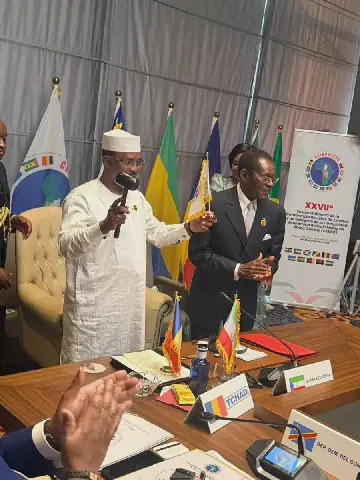
The Chairperson of the African Union Commission, Mahmoud Ali Youssouf, voiced support for the Ethiopian initiative, describing it as important for encouraging dialogue among Sudanese parties. The African Union renewed its commitment to achieving a peaceful and comprehensive solution to the Sudanese crisis through dialogue and negotiations, ensuring that leadership and control remain in Sudanese hands.
The rejection of the Ethiopian proposal by the Sudanese army underscores the challenges in finding a peaceful resolution to the conflict. The humanitarian crisis in Sudan continues to worsen, with the international community calling for an end to the violence. The Ethiopian initiative had offered a potential pathway to peace, but its rejection by the Sudanese army suggests that the conflict may continue, exacerbating the suffering of the Sudanese people.
Key points
- The Sudanese army's rejection of the Ethiopian peace proposal highlights the complexities of finding a peaceful resolution to the conflict.
- The humanitarian crisis in Sudan continues to worsen, with the international community calling for an end to the violence.
- The African Union and other international stakeholders continue to support a peaceful and comprehensive solution to the Sudanese crisis through dialogue and negotiations.
Reporting sources
- Sudanese Army Rejects Ethiopian Proposal to End the War in Sudan · Garowe Online