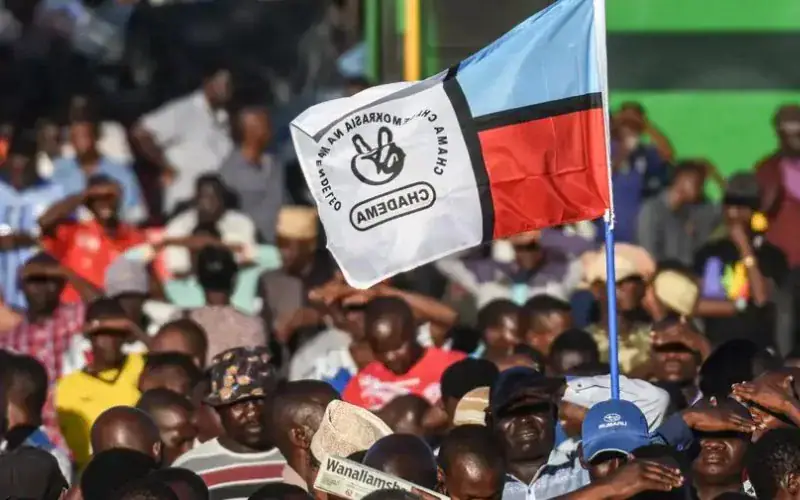
Opposition leaders in several African countries report facing legal actions, restrictions on public gatherings, and arrests. In Cameroon, the Social Democratic Front's deputy secretary-general, Ndah Grimbald, notes that obtaining permission for rallies and public meetings is a significant obstacle. Cameroonian law guarantees freedom of assembly but allows restrictions on public order or national security grounds, requiring organizers to notify officials in advance. This has hindered the opposition's ability to hold public events and express their views.
In Tanzania, opposition leader Tundu Lissu was acquitted of treason charges in November 2026 but convicted of incitement and sentenced to four years in prison. Prosecutors argued that his remarks aimed to disrupt the 2025 general election. Lissu rejected the verdict as political persecution, claiming the charges were fabricated to imprison him. Tanzania's government spokesperson, Gerson Msigwa, dismissed claims of a shrinking civic space, calling Amnesty International's description of a "wave of terror" ahead of the 2025 vote unfounded and misleading.
Mozambique's opposition figure, Venancio Mondlane, faces five charges, including incitement to terrorism, linked to protests after the disputed 2024 election. Mondlane denies the accusations, saying his statements aimed to prevent violence. A spokesperson for Mozambique's Supreme Court, Pedro Sinai Nhatitima, defended the decision to bar live broadcasts of Mondlane's trial, asserting that the case will be decided according to law and not political influence. The court's decision has raised concerns about the transparency of the trial.
In Nigeria's Borno State, police arrested five men wearing "Tinubu Must Go!" T-shirts, stating the arrests were related to suspected drug possession and public disturbance rather than their political expression. The incident highlights the tension between law enforcement and political expression in the country. The Nigerian government has been criticized for its handling of protests and opposition voices.
Zambia has also seen significant developments, with courts closing on the final day for filing a presidential election petition, citing security reasons. The state house denied that President Hakainde Hichilema ordered the closure to block challenges. Later, former opposition lawmaker Mutotwe Kafwaya was killed during a security operation at opposition leader Brian Mundubile's residence. Officials said the operation responded to intelligence about a national-security threat and that officers returned fire after being shot at.
Brian Mundubile, facing treason and sedition charges, called for a fair and open court process. Constitutional lawyer Linda Kasonde warned that Zambia's public institutions themselves appear to be on trial. The incident has raised concerns about the rule of law and the government's handling of opposition voices. The Zambian government has faced criticism for its handling of protests and opposition leaders.
The restrictions and legal challenges faced by opposition figures across Africa have raised concerns about the erosion of democratic freedoms. Governments have cited security laws to justify their actions, but critics argue that these measures are being used to suppress opposition voices. The cases of Tanzania's Tundu Lissu, Mozambique's Venancio Mondlane, and Zambia's Brian Mundubile highlight the challenges faced by opposition leaders in exercising their rights to free speech and assembly.
Key points
- Governments in Africa cite security laws to justify restrictions on opposition figures
- Opposition leaders face trials, rally bans, and arrests in several African countries
- The restrictions have raised concerns about the erosion of democratic freedoms in Africa
Reporting sources
- Opposition Figures Across Africa Confront Trials, Rally Bans and Arrests · kenya-today.com