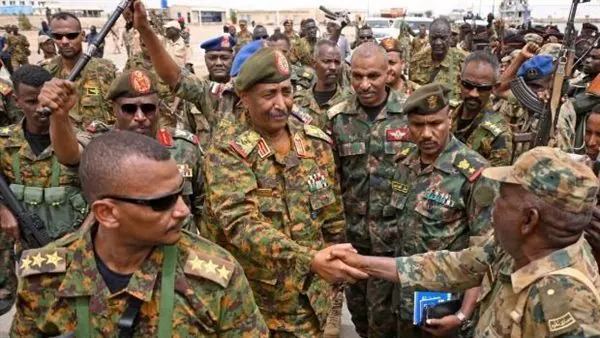
The Sudanese army has asserted its control over Sudri city in North Kordofan state, following a pursuit that forced the Rapid Support Forces (RSF) to retreat. According to reports from the Arab News Network, the army's takeover comes amid ongoing clashes between the two forces. The conflict in Sudan began in 2023 when RSF leader Mohamed Hamdan, also known as "Hamidati," rebelled against Abdel Fattah al-Burhan, head of the Sudanese Sovereignty Council.
The RSF has been accused of committing atrocities, including genocide in the city of El Fasher. The United Nations has reported that the RSF's actions have led to a severe humanitarian crisis, with Sudan on the brink of famine. In an effort to mitigate the crisis, US President's special adviser for African affairs, Mesad Boles, proposed a 90-day ceasefire between the RSF and the Sudanese army. However, Abdel Fattah al-Burhan rejected the proposal.
The US had initially considered allowing al-Burhan to attend the United Nations General Assembly, but his rejection of the ceasefire proposal led to a change in stance. The US decided to pressure al-Burhan by denying him a visa to enter the country. The ongoing conflict has resulted in millions of Sudanese fleeing to neighboring countries, seeking refuge from the war.
The Sudanese army has made significant gains in recent days, advancing into new areas in North Kordofan state. The army's successes have been marked by the downing of an enemy drone that originated from Ethiopia and was heading towards the Blue Nile state. The RSF has reportedly received external support from several countries, enabling them to acquire advanced weaponry and sustain their fight.
The conflict in Sudan has its roots in the power struggle between al-Burhan and Hamdan. The two leaders have been vying for control, with the RSF seeking to dominate the country's politics. The situation has been exacerbated by the involvement of external actors, which has prolonged the conflict and worsened the humanitarian situation.
The takeover of Sudri city is a significant development in the conflict, as it gives the Sudanese army a strategic advantage in North Kordofan state. The army's advances have been accompanied by efforts to restore stability and security in the region. However, the situation remains volatile, with concerns about the humanitarian situation and the potential for further escalation.
The international community has expressed concern about the situation in Sudan, with the UN highlighting the need for a peaceful resolution to the conflict. The proposed 90-day ceasefire, although rejected by al-Burhan, remains a potential pathway to de-escalation. The Sudanese army's control of Sudri city may provide an opportunity for further negotiations and a possible end to the conflict.
Key points
- The Sudanese army has taken control of Sudri city in North Kordofan state, ousting the Rapid Support Forces.
- The conflict in Sudan has resulted in a severe humanitarian crisis, with millions displaced and the country on the brink of famine.
- The international community is seeking a peaceful resolution to the conflict, with a proposed 90-day ceasefire remaining a potential pathway to de-escalation.