Sudan is set to participate in the upcoming climate conference in Antalya, Turkey, in November, where the country aims to highlight its economic and environmental priorities on the international stage. The conference presents an opportunity for Sudan to garner support for its recovery and reconstruction efforts following the devastating effects of the war on its infrastructure and productive sectors. The country's engagement in the conference is crucial, as it faces intertwined challenges of war and climate change.
Sudan possesses significant natural resources and economic potential, making it an important player in climate and sustainable development issues. The country's vast fertile lands, water resources, and mineral wealth position it for a substantial role in addressing climate change. However, the ongoing conflict has placed these resources under exceptional strain, with damaged infrastructure, disrupted production, and reduced capacity for local communities to cope with droughts, floods, and other climate-related challenges.
The concept of green financing has emerged as a vital tool for countries to address climate change and fund projects that reduce emissions, adapt to climate impacts, and protect natural resources. For Sudan, accessing green financing can unlock new avenues for funding recovery and reconstruction projects, particularly in agriculture, water, energy, industry, and mining. To tap into these funds, Sudan must prepare clear, feasible projects with comprehensive technical and economic studies.
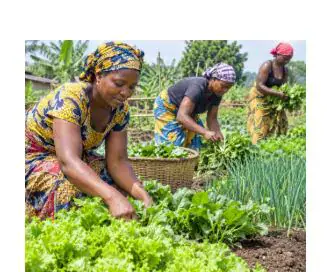
The agricultural sector is a top priority for Sudan, as it is crucial for food security and the national economy. The sector is highly vulnerable to climate fluctuations and changing rainfall patterns. Rebuilding and upgrading irrigation systems, modernizing water management, and expanding solar energy use in agriculture can enhance resilience and productivity. Projects like the Gezira Scheme serve as important models for integrating irrigation, energy, and agricultural production.
Beyond agriculture, Sudan has significant potential for green financing in the energy, industry, and mining sectors. Expanding solar energy projects, improving energy efficiency, and adopting environmentally friendly practices in oil and mining operations can contribute to a more sustainable economy. Developing specialized industrial zones and promoting value addition to local resources can also drive economic growth while minimizing environmental impacts.
The involvement of youth, the private sector, and community initiatives is essential for Sudan's green recovery. Supporting small and medium-sized projects in areas like solar energy, agricultural processing, recycling, and waste management can create jobs and promote sustainable practices. By empowering young people with financing, training, and technology, they can become key partners in implementing recovery programs.
Sudan's participation in the Antalya conference should pave the way for practical partnerships with international institutions and countries experienced in climate finance and sustainable development. By presenting a list of priority projects with clear implementation plans and monitoring mechanisms, Sudan can transition from mere commitments to tangible action, securing the necessary green financing for its post-war recovery and reconstruction efforts.
Key points
- Sudan seeks green financing for post-war recovery and reconstruction at the Antalya climate conference.
- The country's participation aims to highlight its economic and environmental priorities on the international stage.
- Green financing can support projects in agriculture, energy, industry, and mining, contributing to a more sustainable economy.