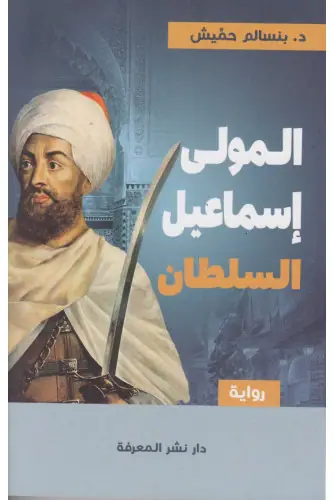
The novel "Al-Mawla Ismail Al-Sultan" by Bensalem Hmich presents a thought-provoking narrative that delves into the intricacies of Morocco's monarchical system and its impact on the country's history and identity. Through the voice of Sultan Moulay Ismail, the novel provides a unique perspective on the exercise of power and the construction of legitimacy. By employing a first-person narrative, the author creates an intimate and introspective tone, drawing the reader into the inner workings of the monarch's mind.
The novel's use of the first-person narrative voice allows for a nuanced exploration of the Sultan's thoughts, feelings, and motivations. This narrative choice enables the reader to experience the story from the Sultan's perspective, gaining insight into the complexities of his character and the challenges he faces as a ruler. The author's use of language and tone also adds depth to the narrative, creating a rich and immersive reading experience.
One of the key themes explored in the novel is the relationship between power and identity. The Sultan's narrative voice provides a unique perspective on the construction of identity and the exercise of power in Morocco. Through his story, the author sheds light on the complexities of Moroccan history and the ways in which the monarchy has shaped the country's identity. The novel also raises important questions about the nature of power, legitimacy, and the role of the monarch in Moroccan society.
The novel's exploration of Moroccan history and identity is also noteworthy. By delving into the country's past, the author provides a nuanced understanding of the complexities that have shaped Morocco's development. The novel highlights the tensions between tradition and modernity, as well as the challenges of navigating the complexities of power and identity in a rapidly changing world.
The character of Sultan Moulay Ismail is a central figure in the novel, and his narrative voice provides a unique perspective on the exercise of power and the construction of legitimacy. Through his story, the author raises important questions about the nature of power, the role of the monarch, and the impact of historical events on Moroccan society. The Sultan's character is complex and multifaceted, and his narrative voice adds depth and nuance to the story.
The novel's use of historical and cultural references adds depth and context to the narrative. The author's use of language and imagery creates a vivid picture of Moroccan culture and society, drawing the reader into the world of the novel. The novel's exploration of themes such as power, identity, and legitimacy is also relevant to contemporary debates about Moroccan society and politics.
Overall, "Al-Mawla Ismail Al-Sultan" is a thought-provoking and nuanced exploration of monarchy, power, and identity in Morocco. Through its complex characters, rich language, and nuanced themes, the novel provides a unique perspective on Moroccan history and society. The novel's exploration of the human experience is also noteworthy, and its themes and characters will resonate with readers interested in Moroccan culture and society.
Key points
- The novel offers a unique perspective on the exercise of power and the construction of legitimacy in Morocco's monarchical system.
- The author's use of language and tone creates a rich and immersive reading experience, drawing the reader into the inner workings of the monarch's mind.
- The novel raises important questions about the nature of power, legitimacy, and the role of the monarch in Moroccan society.