Moroccan researchers have started to apply the ideas of French philosopher Michel Foucault to their analysis of the country's modern politics and governance. For decades, Foucault's thoughts were confined to limited circles or viewed with skepticism in social sciences. However, his ideas have become a crucial reference in the field, including political science and sociology. While primarily used to analyze Western societies, Moroccan researchers argue that Foucault's ideas can be productive when applied outside their cultural context.
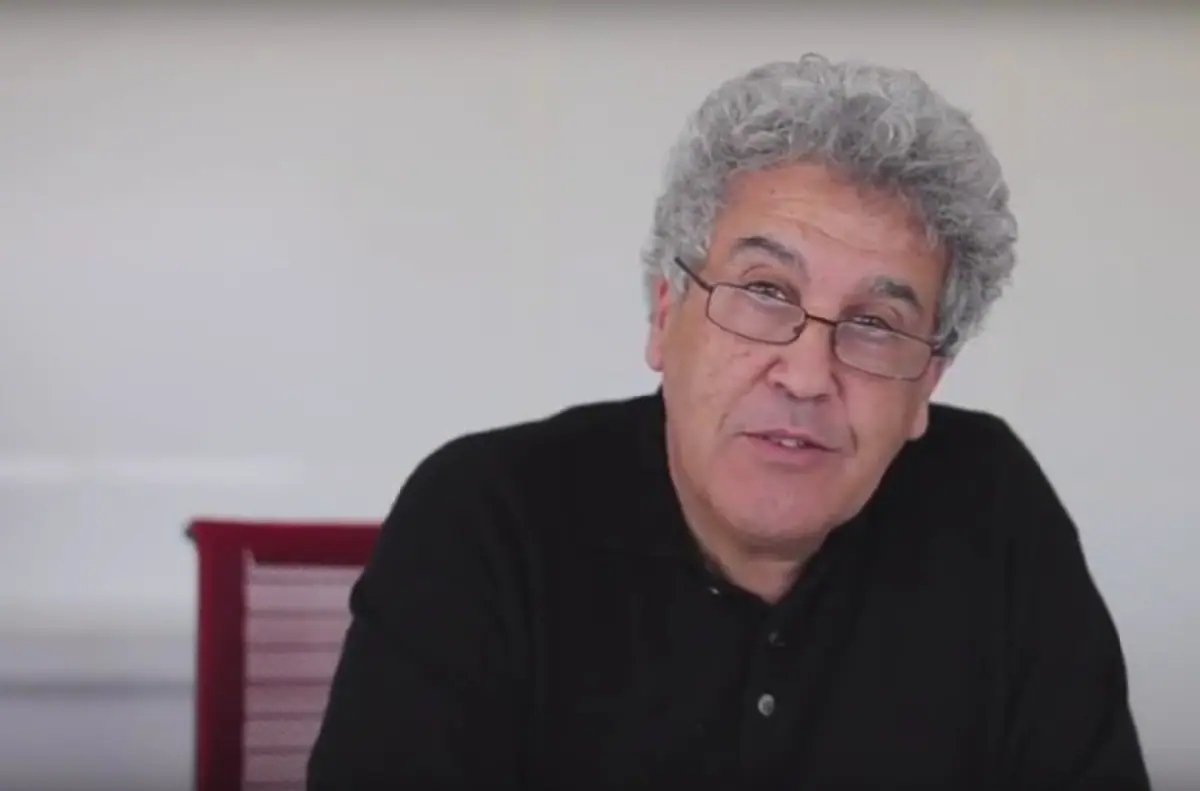
Researchers, including Dr. Mohammed Touzi and Beatrice Hibou, have been conducting studies on Morocco's politics and governance for three decades. Their work, including their recent book "The Weaving of Moroccan Political Time," adopts an inductive and experimental approach. This approach allows them to understand the arts of governance, the acceptance or rejection of governance, and the construction of groups of practices and methods of understanding used in governing people, territories, and populations.
The researchers' methodology intersects with Foucault's approach, particularly in analyzing different systems of power. Foucault's work focuses on understanding power relations, rather than institutions themselves. He emphasizes the importance of studying the arrangements of power, networks, currents, media, and points of leverage that distinguish one form of power from another. This approach has allowed Moroccan researchers to examine the complex mediations that facilitated the penetration of neoliberalism in Morocco.
In Morocco, the researchers have identified the coexistence of different forms of governance, including imperial and nation-state models. These models are not mutually exclusive, and their intersection has shaped the country's politics and governance. The imperial model, characterized by direct and rational-legal interventions, coexists with the nation-state model, which emphasizes representation and legitimacy. This complex landscape has allowed researchers to move beyond binary oppositions and explore the nuances of power relations in Morocco.
The researchers have also adopted a non-institutional approach to understanding the changes in Morocco's politics and governance. This approach focuses on the margins and the ways in which power operates through everyday practices and relationships. By examining the ways in which neoliberalism has been embedded in Moroccan society, researchers have highlighted the importance of understanding the complex and often subtle mechanisms of power.
One example of this approach is the study of the "G14" group, a think tank established by the palace in the 1990s to promote modernization and globalization. The group, composed of young technocrats, was tasked with steering the country towards "modernity" and "the rule of law." This initiative illustrates the ways in which traditional forms of power have been reconfigured to accommodate neoliberal ideas and practices.
The application of Foucault's ideas to Moroccan politics and governance has provided new insights into the country's complex power dynamics. By moving beyond institutional analyses and exploring the nuances of power relations, researchers have shed light on the ways in which governance operates in Morocco. This approach has also allowed them to challenge dominant narratives and binary oppositions, providing a more nuanced understanding of the country's politics and governance.
Key points
- Moroccan researchers are applying Michel Foucault's ideas to analyze the country's contemporary politics and governance.
- The researchers' approach focuses on understanding power relations, rather than institutions themselves.
- The study of Morocco's politics and governance highlights the coexistence of different forms of governance, including imperial and nation-state models.