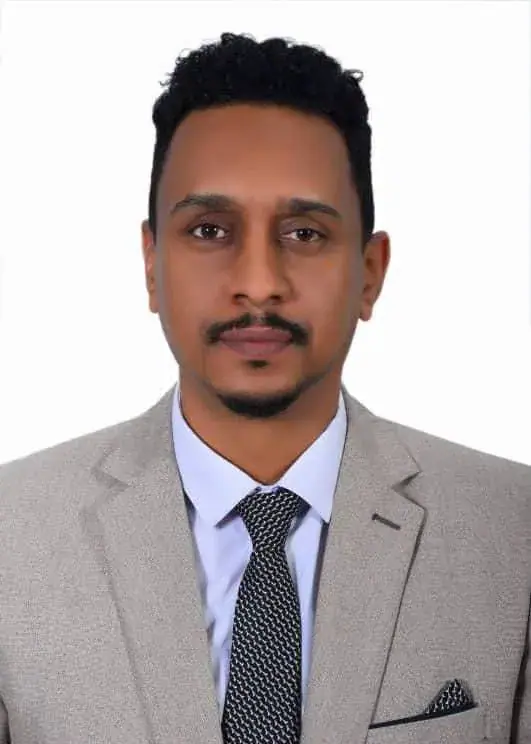
Sudan's youth are calling for greater representation in leadership positions, with Mohamed Salah, head of the Real Estate Offices Division, warning that the country's continued dominance by older individuals is hindering development and modernization. With youth estimated to make up 65% of Sudan's population, Salah argues that the gap between the population's demographics and traditional administrative structures is a significant obstacle. He describes the situation as a country with a youthful population being governed by an elderly mindset.
Salah criticized the ineffectiveness of institutions and entities responsible for representing youth, stating that they have become powerless in expressing the aspirations of young people. Instead, they have turned into mere facades with little influence. He called for a fundamental change in the country's administrative structures, rather than just superficial reforms. Salah emphasized that youth should be empowered to lead executive institutions and reconstruction projects, saying that superficial empowerment is no longer enough.
According to Salah, Sudan's youth possess the necessary qualifications, knowledge, and capabilities to utilize technology and digital transformation to address economic and service-related crises. They can also overcome the bureaucratic red tape that hampers the performance of state institutions. However, empowering youth does not mean excluding those with extensive experience. Instead, it involves leveraging their expertise in advisory and strategic guidance roles while allowing youth to take on executive and field leadership responsibilities.
Salah questioned when Sudan's youth would transition from being mere spectators to taking on leadership roles. He stressed that the current stage requires moving beyond superficial empowerment and granting youth a genuine role in managing the country's resources and shaping its future. The issue is not just about representation but also about harnessing the potential of young people to drive positive change.
The call for youth empowerment comes as Sudan continues to grapple with various challenges, including economic and service-related issues. With a large and youthful population, the country has a unique opportunity to tap into the energy and creativity of its young people. However, this requires a shift in the way leadership positions are filled and a willingness to adopt new approaches to governance.
Salah's comments reflect a growing concern among Sudanese youth about their lack of representation in leadership positions. Many young people feel that they are not being given the opportunity to contribute to the country's development and decision-making processes. This sentiment is echoed by various youth groups and organizations that have been advocating for greater inclusion and representation.
As Sudan looks to the future, it is clear that the country needs to adopt a more inclusive and representative approach to governance. This involves creating opportunities for youth to take on leadership roles and contribute to decision-making processes. By doing so, Sudan can harness the potential of its youthful population and drive positive change.
Key points
- Sudan's youth make up 65% of the population but are underrepresented in leadership positions.
- Empowering youth is crucial for addressing Sudan's economic and service-related challenges.
- Youth should be given genuine leadership roles, rather than superficial empowerment.