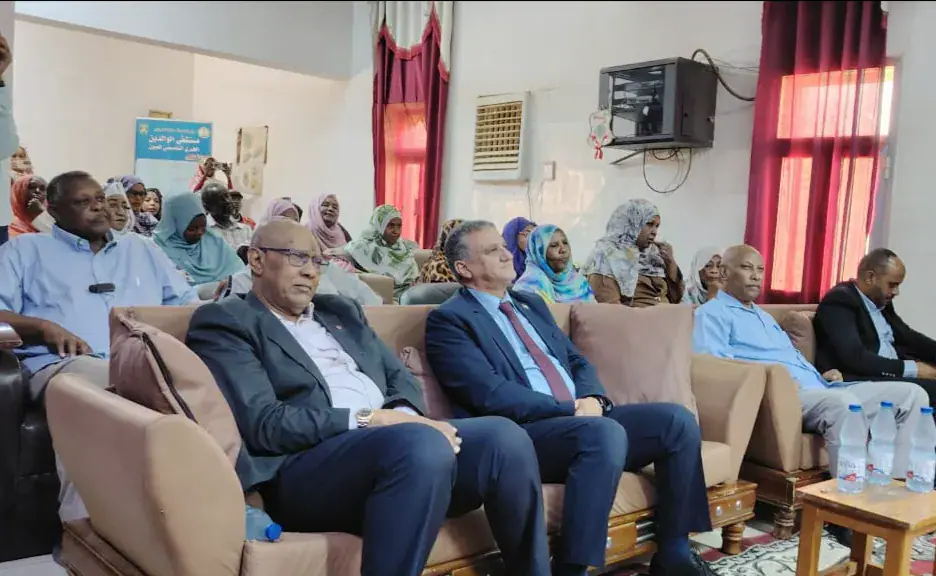
The government of Khartoum state has initiated efforts to restore specialized eye care services, with the state's Health Minister, Dr. Mahmoud Al-Badri, calling for the reopening of all eye hospitals in the state. This move is part of a broader strategy to enhance healthcare services and make them more accessible to citizens. The initiative was announced during celebrations marking World Sight Day, held at the specialized Al-Walidain Eye Hospital in Omdurman.
Dr. Al-Badri emphasized the importance of providing eye care services close to citizens, stressing that preserving eyesight requires attention to eye health and regular check-ups to detect vision problems early. He highlighted the need for expanded services, including screening and early detection, to prevent vision impairment and blindness. The minister also praised the role of the armed forces and supporting forces in the healthcare sector.
The World Sight Day celebrations, themed "Love Your Eyes" and "Eye Care Everywhere," aimed to raise awareness about the importance of eye health and prevention of blindness and vision impairment. Dr. Al-Badri, on behalf of Khartoum state governor, Ahmed Othman Hamza, expressed appreciation for the efforts of Al-Walidain Eye Hospital in providing medical services during the past period. He also commended the role of ophthalmology specialists and consultants in serving the community.
Dr. Sami Abdel Daim, Director-General of the Therapeutic Medicine Administration, called for intensifying eye health awareness programs and establishing hospitals, centers, and eye examination points in the outskirts of the capital. This would help make services more accessible to the population and facilitate access to care near their places of residence. The goal is to reduce the burden on citizens and improve health outcomes.
Dr. Abeer, Director of the Eye Health Department, highlighted the significance of World Sight Day in raising awareness about the causes of blindness. She noted that cataracts are a major cause of vision loss, particularly in developing countries. Dr. Abeer emphasized the importance of promoting a culture of regular eye examinations among the citizens of Khartoum state and Sudan as a whole, enabling early detection and prevention of vision problems.
Dr. Safwat Al-Badri, Director-General of Al-Walidain Eye Hospital, pointed out that many cases of vision impairment can be prevented through early detection and timely medical intervention. He stressed the need for coordination among relevant parties to ensure that eye care services reach all segments of society. The hospital is committed to continuing to expand and develop its services, attracting qualified staff, and acquiring specialized expertise in ophthalmology.
The efforts of the Khartoum state government to restore and expand eye care services reflect a broader commitment to improving healthcare outcomes and making services more accessible to citizens. Key stakeholders, including healthcare professionals, administrators, and community leaders, are working together to promote eye health awareness, prevent vision impairment, and provide quality care to those in need.
Key points
- The Khartoum state government aims to restore specialized eye care services and make them more accessible to citizens.
- Regular eye examinations and early detection are crucial for preventing vision impairment and blindness.
- The initiative includes plans to establish new hospitals, centers, and eye examination points in the outskirts of the capital.