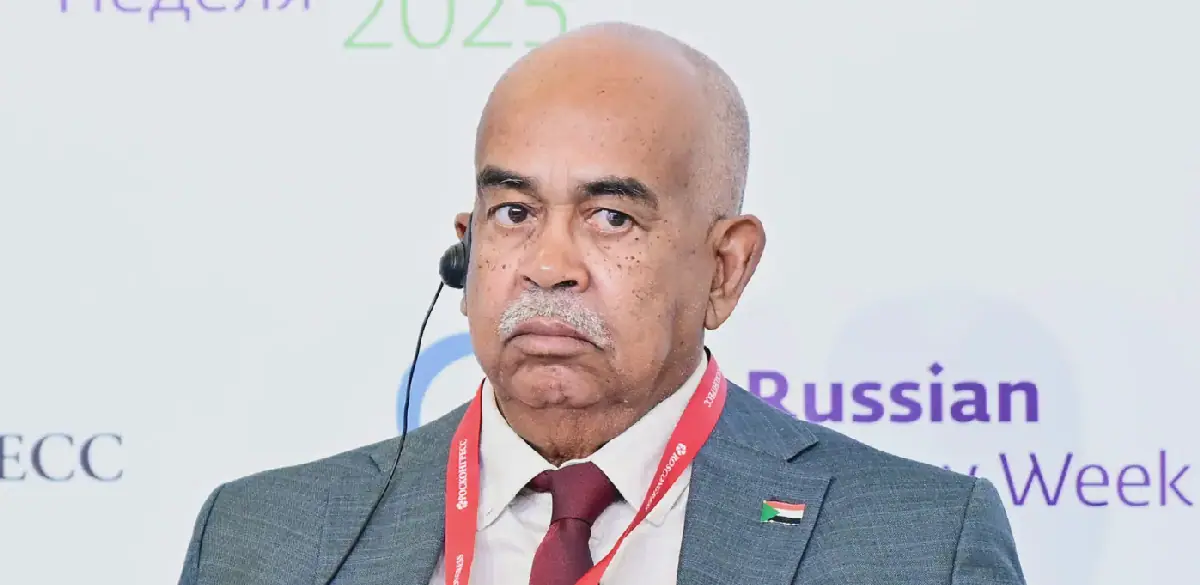
Sudan's Energy and Oil Minister Mutasim Ibrahim stated on November 5, 2026, in Khartoum that the country has sufficient fuel supplies, despite recent shortages. Ibrahim attributed the disruptions to financial and administrative delays and shipping schedules. He mentioned that fuel imports are planned in cycles covering about three months of national demand.
The ongoing war between the army and the paramilitary Rapid Support Forces (RSF) since April 2023 has extensively damaged Sudan's energy infrastructure. Ibrahim reported that attacks have damaged electricity plants, transmission stations, oil pipelines, and storage facilities. A recent attack on an oil pipeline carrying crude into Sudan from Port Sudan has further exacerbated the situation.
The destruction of the Khartoum refinery, which previously supplied about 60% of the country's petroleum product requirements, has increased reliance on imported fuel. Ibrahim stated that the refinery had saved the country about $1 million a day or more by reducing imports. An associated chemical products plant was also damaged, adding to the country's energy woes.
The Sudanese government is considering proposals to rehabilitate the Khartoum refinery, develop refining capacity in Port Sudan, and restore damaged storage facilities. Ibrahim mentioned that the ministry is also pursuing solar energy projects in River Nile, Northern, and Red Sea states. These initiatives aim to enhance the country's energy security and reduce dependence on imports.
Sudan is seeking foreign investment in oil exploration, production, and refining, with discussions involving India, Belarus, Russia, Turkey, and Egypt. The ministry has offered new exploration blocks, but prospective investors and proposed investment values have not been disclosed. Ibrahim emphasized the government's role in regulating supplies and prices while allowing private companies to participate in the fuel import market.
Ibrahim defended state intervention in fuel imports despite market liberalization, citing the need for oversight and controls. He assured that the liberalization of fuel imports does not mean the absence of regulation or leaving the market without controls. The government's recovery plans face significant challenges as the war continues to damage infrastructure and disrupt economic activity.
The Sudanese government's efforts to secure fuel supplies and rehabilitate damaged infrastructure are crucial to the country's economic recovery. The energy sector's revival is contingent upon the resolution of the ongoing conflict and the implementation of initiatives to enhance energy security and attract foreign investment. The situation remains challenging, with the country's energy infrastructure and economy heavily reliant on the outcome of the conflict.
Key points
- Sudan's Energy and Oil Minister Mutasim Ibrahim assures sufficient fuel supplies despite recent shortages and infrastructure damage from ongoing war.
- The destruction of the Khartoum refinery has increased reliance on imported fuel, with the government considering proposals to rehabilitate the refinery and develop refining capacity in Port Sudan.
- Sudan is seeking foreign investment in oil exploration, production, and refining, with discussions involving India, Belarus, Russia, Turkey, and Egypt.