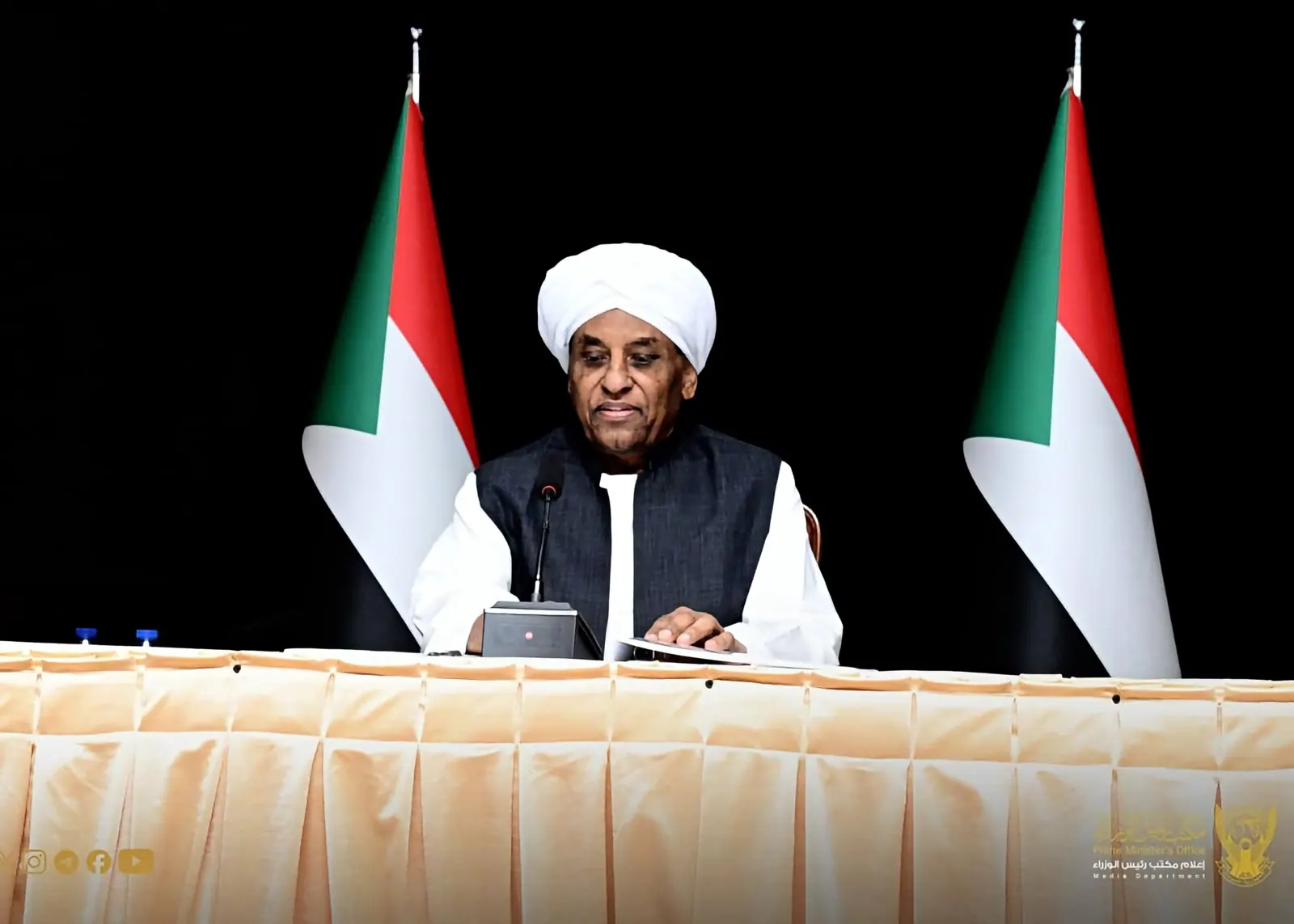
Sudan's Council of Ministers, led by Prime Minister Dr. Kamal Abdalla Idris, recently met with state governors to discuss economic coordination between the federal government and states. The meeting aimed to address issues affecting citizens' livelihoods, particularly those related to living costs. The council reviewed a report by Justice Minister Dr. Abdullah Mohamed Darf on preventing unauthorized fees not included in the 2026 budget laws.
The report highlighted non-statutory fees and emphasized the need for coordination with the Ministry of Finance regarding any imposed fees, even if they are for services provided by states. The council also discussed the mining sector, directing that fees and collections be standardized in collaboration with the Ministry of Minerals and the Sudanese Resources Company. This aims to regulate collection processes and unify procedures.
The council addressed the issue of goods imported into states, deciding to halt collections on these goods. The Justice Minister reminded states that a decision had been made not to impose fees on fuel, and those that had announced such fees were required to rescind them. The council stressed that fuel-related fees should only be those announced by the Ministry of Energy.
The meeting also focused on preventing the deposit of collected funds into special accounts by state officials and banning any fees on national roads. These measures aim to curb unauthorized collections and reduce citizens' burdens. The council emphasized the need to accelerate the implementation of the "Government of Hope" plan for electronic collections and the application of the income system.
Economically and in terms of living conditions, the council reviewed a report on the availability of food commodities and discounted sales markets. They stressed the importance of providing direct services to citizens to alleviate living costs. The council agreed to stop illegal fees on industrial products until they reach consumers and to lower prices.
The council also heard a report from Agriculture and Irrigation Minister Prof. Esmat Qureshi Abdullah on the summer agricultural season and preparations for the winter season. The minister highlighted challenges, including high production costs and financing for the agricultural season. The ministry has made significant progress in providing irrigation pumps and supporting the agricultural season.
In the monetary sector, the council discussed arrangements for currency replacement in North and South Kordofan states. The Central Bank of Sudan's Deputy Governor briefed the council on preparations for the process, which aims to combat the circulation of counterfeit currency. The state is committed to completing currency replacement procedures, which have already begun in several states.
Key points
- The Sudanese government is taking steps to address economic challenges and reduce the burden on citizens.
- The cabinet has directed states to stop imposing unauthorized fees and to coordinate with the federal government on economic matters.
- The government aims to enhance transparency and efficiency in revenue collection through electronic systems.