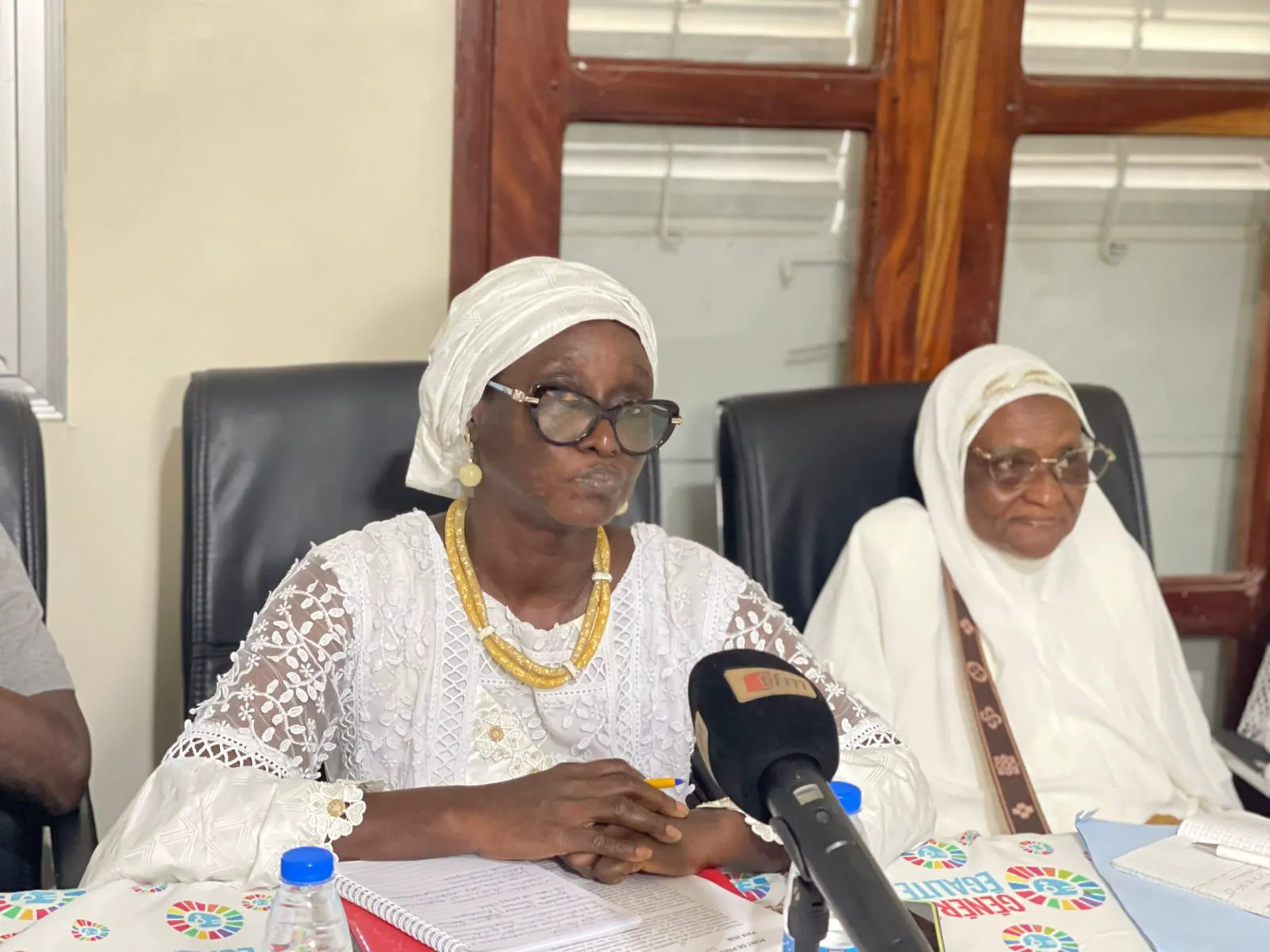
A recent study conducted by the Platform of Women for Peace in Casamance (PFPC) has shed light on the vulnerabilities faced by women in return areas of Senegal's Casamance region. The study, which surveyed 176 women and community leaders in ten villages, found that violence against women, feelings of insecurity, and limited access to protection mechanisms persist in these areas. The findings were presented at a press conference on September 21, 2026, marking the International Day of Peace.
According to the study, 50% of respondents reported knowing of cases of violence, with physical violence being the most prevalent at 34%, followed by psychological, economic, and verbal violence. Furthermore, only 17.1% of respondents felt safe, indicating a fragile sense of security in these areas. The study also found that 59% of respondents did not know where to refer survivors of violence, highlighting a significant gap in support services.
The PFPC attributes these vulnerabilities to the disorganization of traditional protection mechanisms and difficulties related to access and control of land. The return of displaced persons to their homes, intended to symbolize a new era of peace, has instead exposed some women to new forms of precariousness. Léonie Gomis, vice-president of the PFPC, emphasized the need for support and protection for these women, who have been disproportionately affected by the conflict.
The study also highlighted tensions around land ownership in return areas. Nouha Cissé, a specialist on the Casamance conflict and member of the PFPC's scientific commission, noted that the region is entering a critical phase of managing the return of displaced persons. The resurgence of land disputes, which were put on hold during the conflict, poses significant challenges, with women being among the most affected.
The PFPC's efforts to address these challenges are being recognized internationally. On September 21, 2026, the organization was awarded a trophy by the Catalan Institute for Peace (ICIP) in Spain, acknowledging its commitment to women's rights, peace, and the prevention of violence. The award also recognizes the PFPC's contribution to breaking the silence around the conflict in Casamance.
The study's findings and the PFPC's advocacy efforts highlight the need for increased support and protection for women in return areas. The organization's work emphasizes the importance of addressing the root causes of violence and insecurity, including the disorganization of traditional protection mechanisms and land disputes. By shedding light on these challenges, the PFPC aims to promote peace and stability in the Casamance region.
The situation in the Casamance region remains complex, with ongoing challenges related to conflict, displacement, and land ownership. The PFPC's study and advocacy efforts serve as a reminder of the need for continued support and attention to the needs of women and communities in return areas. By working together, stakeholders can help promote peace, stability, and prosperity in the region.
Key points
- Women in return areas of Senegal's Casamance region face significant challenges, including violence and limited access to protection mechanisms.
- The Platform of Women for Peace in Casamance (PFPC) is working to address these challenges through advocacy and support services.
- The organization has been recognized internationally for its commitment to women's rights, peace, and the prevention of violence.