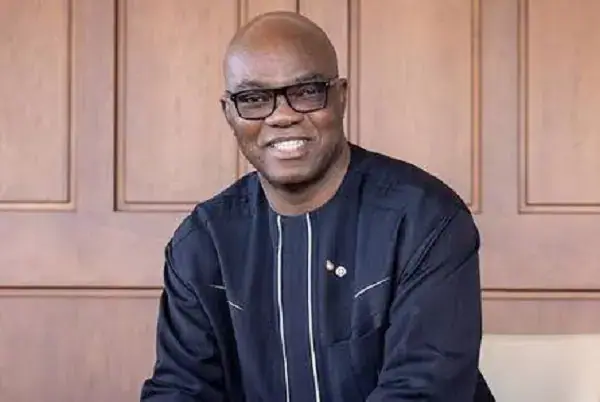
President of Rotary International, Olayinka Hakeem Babalola, has urged Nigerians to adopt a grassroots-driven approach to peacebuilding, emphasizing the need for collective commitment, mutual understanding, justice, and inclusive development. Speaking at the All Nigeria Rotary Peace Summit in Lagos, Babalola stressed that lasting peace cannot be achieved solely through military intervention and government institutions. He called for the involvement of government officials, traditional rulers, religious leaders, security agencies, civil society organizations, and citizens in building a peaceful and prosperous country.
Babalola noted that Nigeria has demonstrated significant capacity in promoting peace and stability across Africa through its contributions to the Economic Community of West African States (ECOWAS) and United Nations peacekeeping and peace support operations. He suggested that the country should redirect some of that experience and commitment towards addressing its internal challenges. According to Babalola, Rotary's approach to peacebuilding is anchored on the philosophy of "Positive Peace," which recognizes the importance of strong institutions, social inclusion, access to opportunities, and community participation in preventing conflict.
The Rotary International President emphasized that peace should not be understood merely as the absence of violence, but rather as the presence of attitudes, institutions, and structures that promote peaceful coexistence. He challenged Nigerians to reconsider their individual and collective contributions to national development, stressing that the country cannot achieve a different future without a change in attitudes and institutional practices. Babalola called for a Nigeria where citizens enjoy equal access to justice, opportunities, and dignity, irrespective of their backgrounds, religious beliefs, ethnic identities, or circumstances of birth.
Babalola urged members of Rotary across Nigeria to make peacebuilding a defining legacy of their service, adding that the success of the initiative would ultimately be measured by its impact on future generations. He expressed optimism that collective commitment to positive change would enable Nigeria to build a society where future generations can live in safety, dignity, and freedom. The Rotary chief also urged participants at the summit to translate discussions and resolutions into practical initiatives capable of producing lasting benefits for communities.
The Inspector-General of Police, Olatunji Disu, called for collaboration between Rotary International and the police to strengthen partnerships that connect institutions with communities, government with citizens, and security with service. Disu, represented by AIG Miller Dantawaye, suggested that the police and Rotary work together to build communities where justice is accessible, institutions are trusted, citizens are responsible, and every individual can live with dignity, security, and hope.
Lea Prekerests, Director of Partnerships at the Institute for Economics and Peace, noted that there are two kinds of peace: Negative Peace, which is the absence of violence or the fear of violence, and Positive Peace, which represents the attitudes, institutions, and structures that create and sustain peaceful societies. According to Prekerests, Positive Peace is what makes peace last.
The All Nigeria Rotary Peace Summit provided a platform for stakeholders to discuss ways to promote peace and stability in Nigeria. The event featured various speakers and participants who shared their perspectives on peacebuilding and conflict prevention. Key to the discussions was the need for a collaborative approach to addressing the country's internal challenges and promoting a culture of peace.
Key points
- The Rotary International President emphasized the need for a grassroots-driven approach to peacebuilding in Nigeria.
- Babalola called for the involvement of all segments of society in promoting peace and stability.
- The Inspector-General of Police called for collaboration between Rotary International and the police to strengthen partnerships that promote peace and security.