In the 1960s, 1970s, and 1980s, Ghana's secondary schools were producing remarkable musical talents through school bands and inter-school music competitions. This period was marked by the popular Pop Chain music culture, including the Ananse Krom Popchain competition, which brought together talented student musicians and generated enthusiasm for contemporary popular music. The Ghana Broadcasting Corporation (GBC) was associated with the competition, which was an exciting platform for musical rivalry among secondary schools.
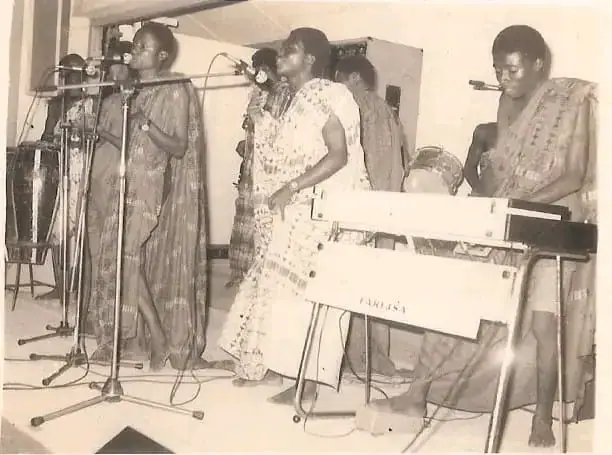
Abuakwa State College (ABUSCO) was one of the schools that contributed to this vibrant musical culture. Guided by its proud Susubiribi spirit, ABUSCO developed a strong tradition of musical expression, with its celebrated student band, Sticky Fingers, becoming one of the most memorable symbols of that era. Sticky Fingers was a talented musical ensemble whose members demonstrated considerable instrumental ability, stage confidence, and a passion for contemporary music.
The band drew inspiration from Western rock, pop, and psychedelic sounds while incorporating the rhythmic influences of Ghanaian highlife and other African musical traditions. During the late 1970s, when Pop Chain competitions and school entertainment programmes attracted enthusiastic audiences, bands such as Sticky Fingers represented the creativity and competitive spirit of Ghana's secondary school students. Their performances were not simply opportunities for recreation; they were occasions for schools to demonstrate talent, discipline, teamwork, and institutional pride.
For ABUSCO students of that generation, the excitement surrounding Sticky Fingers reflected a wider school culture in which music occupied an important place alongside academic work, sports, and extracurricular activities. Rehearsals, entertainment nights, and performances brought students together and helped create lasting friendships and memories. The band's strength lay in its collection of gifted musicians, many of whom became familiar personalities within the school community.
The rhythm section of Sticky Fingers featured George Danso, a skilled bass guitarist who reportedly later joined the Signals Regiment at Burma Camp. He was supported by Officer Toro on drums and Iron Starling on percussion and congas, creating the rhythmic energy that characterised the band's performances. The guitar section was equally impressive, with Ametewe contributing to the band's melodic arrangements and Willie Bobo handling lead guitar duties.
One of the notable personalities associated with Sticky Fingers was Frankie Lee, identified as Kwasi Ampene, the son of ABUSCO music master Kwame Ampene. His contribution on keyboards helped enrich the band's musical arrangements and demonstrated the influence of formal music education on the development of student talent. Kwasi Ampene subsequently pursued a distinguished career in music scholarship and became a professor of music in the United States.
The legacy of Sticky Fingers and the Ananse Krom Popchain competition serves as a reminder of the importance of extracurricular activities in Ghana's secondary schools. These experiences offered lessons that extended far beyond music, teaching valuable skills such as punctuality, regular rehearsals, respect for fellow performers, and the ability to perform under pressure.
Key points
- Sticky Fingers band and Ananse Krom Popchain competition showcase Ghana's vibrant secondary school music scene in the 1960s-1980s.
- Abuakwa State College developed a strong tradition of musical expression, guided by its proud Susubiribi spirit.
- The experiences of Sticky Fingers and similar school bands offered valuable lessons in teamwork, discipline, and creativity.