Stakeholders in Nigeria's digital sector have emphasized the need for long-tenor naira financing and reliable power to unlock the country's digital space. This call was made during the Nigeria Digital Connectivity Investment Forum 2026, held in Abuja on September 29-30. The forum was convened by the Nigerian Communications Commission (NCC) in collaboration with Swedfund and Ookla. The stakeholders highlighted that demand for digital services is outgrowing the current network capacity.
The rapid growth in data consumption in Nigeria underscores the need for improved digital infrastructure. According to recent data, Nigerians consumed about 1.6 million terabytes of data in July 2026, representing a 47% increase from the previous year. Furthermore, subscriptions are projected to rise from approximately 195 million to 350 million within the next 10 to 15 years. This growth trajectory highlights the importance of addressing the current connectivity gap.
Despite the significant growth in the telecoms and information services sector, which contributed 9.72% to Nigeria's real GDP in the second quarter of 2026, the sector still faces several challenges. The stakeholders noted that usage, rather than coverage, is now the bigger gap. While mobile broadband reaches about 90% of Nigerians, smartphone ownership stands at around 27%, and broadband penetration is 57.4%, falling short of the 70% target.
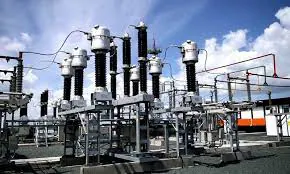
The stakeholders identified device affordability, digital skills, and trust as the binding constraints to digital growth. To address the issue of power, which is critical for digital infrastructure, participants stressed that "power is not a side business but the business" for tower companies. They recommended that energy and connectivity investments be planned together, with tower clusters treated as anchor off-takers for distributed generation.
The communiqué issued after the forum also highlighted the need for long-term financing to support digital projects. It noted that digital assets have a lifespan of 20 to 30 years and cannot be funded with short-term bank tenors of five years. While infrastructure financing in Nigeria grew from under ₦70 billion in 2004 to ₦19.4 trillion in 2025, long-term capital does not automatically make a project bankable.
State-level reforms also featured prominently in the discussions. Twelve states now charge zero Right of Way fees, up from seven in December 2024, resulting in fibre growth of 22 to 95% in reforming states. State governments were urged to cut and harmonize charges and shorten permitting timelines to further facilitate growth. The Federal Government was asked to expedite Project BRIDGE, a 90,000km fibre backbone initiative, and sustain policy consistency.
The stakeholders also made several specific requests to the NCC, including publishing the first national Nigeria Digital Connectivity Index report and finalizing the direct-to-device framework. These steps are expected to enhance the country's digital infrastructure and promote sustainable growth in the sector. The NCC, along with other regulators, investors, and operators, will play a crucial role in implementing these recommendations to unlock Nigeria's digital potential.
Key points
- Stakeholders call for long-tenor naira financing to support digital projects with lifespans of 20-30 years.
- Reliable power is essential for digital infrastructure, with tower companies urged to prioritize energy investments.
- State-level reforms, including zero Right of Way fees, have driven fibre growth in several states.