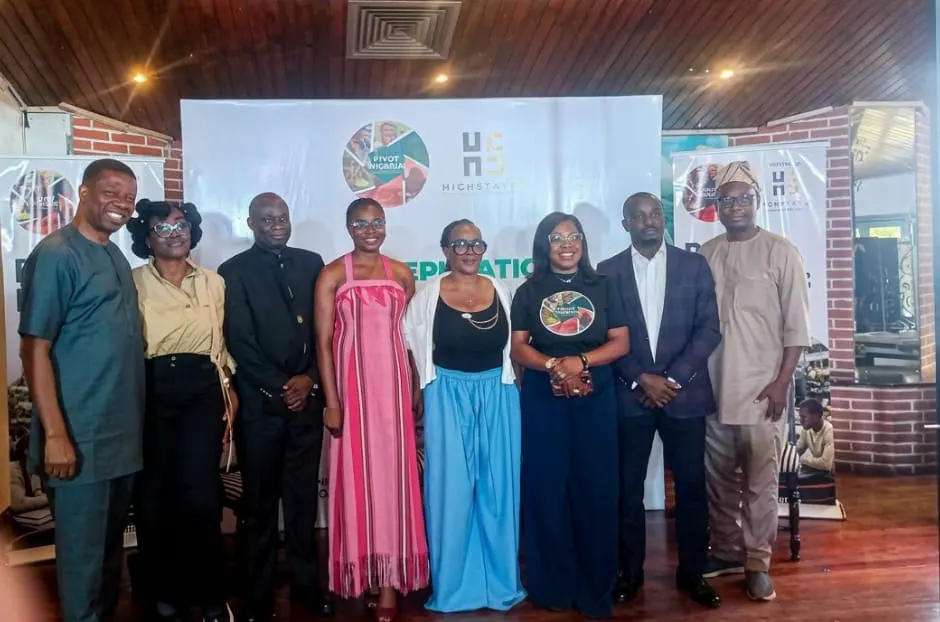
Stakeholders at the second edition of the Pivot Nigeria Conference have called for collective action to rebuild Nigeria's global reputation. The conference, held at La Scala, MUSON Centre, Lagos, brought together professionals from the creative industry, media, communications, and corporate sectors. Convener of Pivot Nigeria and Lead Consultant at HighStakes PR Professionals, Victoria Uwadoka, emphasized that national reputation is influenced by the everyday actions of citizens, businesses, institutions, government, and the media.
Uwadoka stated that the issue of reputation goes beyond image-making, describing it as an important component of trust, credibility, and sustainable relationships. She noted that the reputation of a person, organization, or country can determine the level of confidence others place in it and the opportunities that become available. With Nigeria preparing to mark its 66th Independence Anniversary on October 1, Uwadoka recalled that the country became independent from Britain on October 1, 1960.
The conference examined the connection between Nigeria's reputation, public confidence, economic opportunities, and national development. Uwadoka maintained that government alone cannot be held responsible for the way Nigeria is perceived, arguing that the conduct of citizens, businesses, institutions, and the media also contributes significantly to the country's reputation. She urged Nigerians to recognize their role in building the country they want and to develop confidence in their abilities.
Veteran actor and filmmaker, Richard Mofe-Damijo, popularly known as RMD, echoed Uwadoka's sentiments, saying Nigerians should acknowledge the country's problems without reducing the national conversation to condemnation. Mofe-Damijo urged Nigerians to see themselves as ambassadors of the country and take personal responsibility for the kind of society they want to build. He pointed to the international reach of Afrobeats and the accomplishments of Nigerian entrepreneurs as evidence of the capacity of Nigerians to influence global perceptions.
Head, Corporate Affairs and Sustainability, Rite Foods Limited, Ekuma Eze, also spoke at the conference, saying changing the narrative about Nigeria would require a fundamental shift in attitude beginning from the family and extending to institutions and society. Eze encouraged Nigerian businesses to focus on meeting international standards rather than allowing negative perceptions about locally produced goods to limit their ambitions.
The discussions at Pivot Nigeria 2026 linked the question of Nigeria's reputation with citizenship, governance, enterprise, culture, and media, with speakers advocating a combination of honest representation of the country's challenges and concrete efforts to address them. Uwadoka called for more balanced reporting of Nigeria, saying the country's challenges should be reported alongside its achievements.
Key points from the conference include the need for collective action to rebuild Nigeria's global reputation, the importance of confidence and responsibility in nation-building, and the role of citizens, businesses, and institutions in shaping perceptions of Nigeria. The conference aimed to examine the way Nigerians view themselves and how those perceptions ultimately affect the way Nigeria is experienced and understood by people outside the country.
Key points
- Collective action is needed to rebuild Nigeria's global reputation
- Citizens, businesses, and institutions must work together to shape positive perceptions of Nigeria
- Confidence and responsibility are essential in nation-building efforts