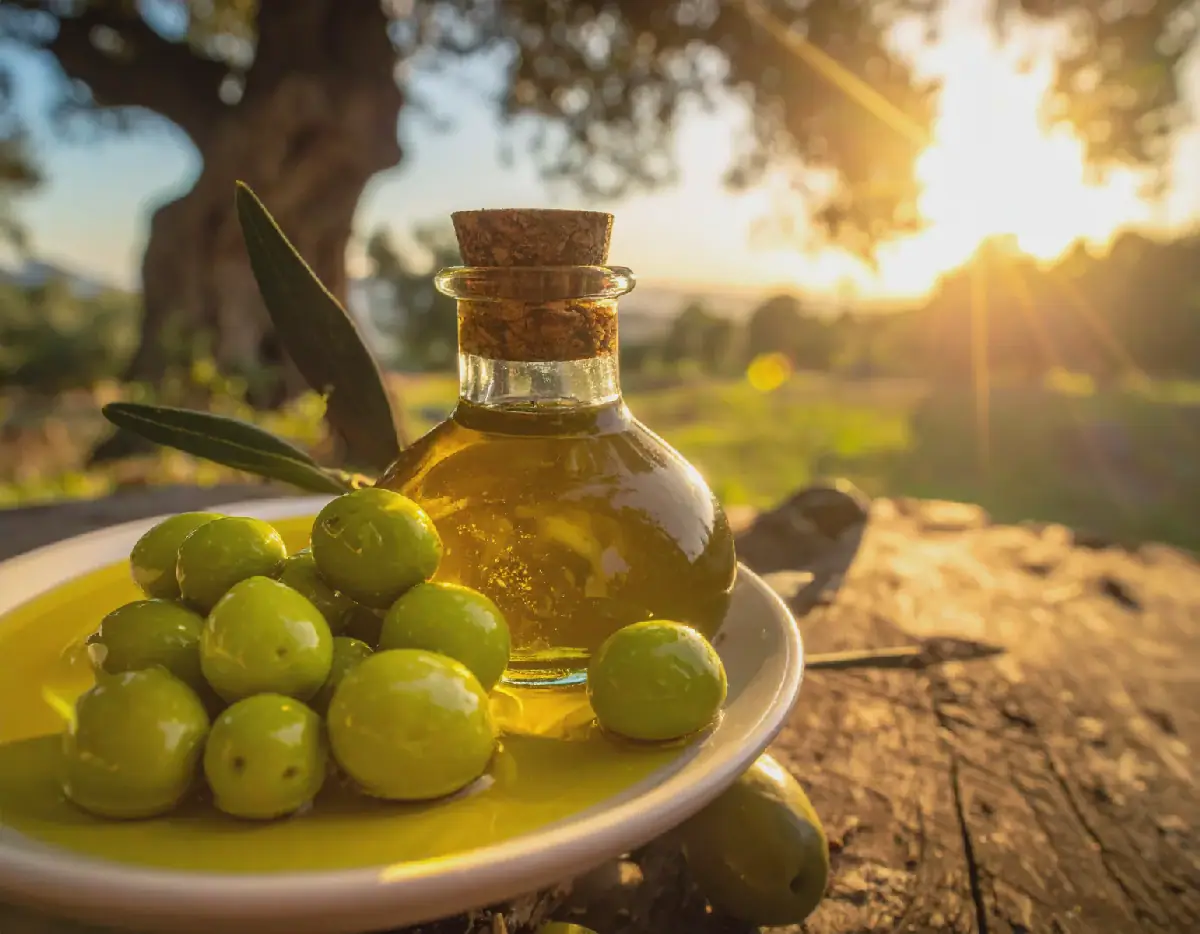
The Spanish government has implemented a measure to address the surplus in the olive oil market by requiring producers to withhold 12% of their production for the 2026-2027 season. This translates to approximately 188,000 tons of olive oil, which will be stored until September 3, 2027. The decision aims to balance supply and demand, stabilize prices, and protect farmers' income.
According to reports, the move comes as a response to expectations of a 23% increase in production, reaching 1.6 million tons, supported by favorable weather conditions. Heavy rainfall and mild spring temperatures have contributed to the anticipated rise in production. Additionally, remaining stocks from the previous season have increased by 23.3%, leading to a market surplus that has triggered the intervention mechanism.
The Spanish government's decision is designed to prevent a potential collapse in olive oil prices. By withholding a portion of the production, authorities aim to maintain price stability and ensure profitability for producers. The measure will be enforced starting from November, allowing producers to store the withheld quantities in their facilities or with third-party storage providers, under the supervision of relevant authorities.
The olive oil sector in Spain is significant, and the government's intervention reflects efforts to support farmers and maintain market equilibrium. The country's olive oil production is a substantial contributor to its agricultural economy. The measure is seen as a proactive step to address market challenges and ensure the long-term sustainability of the sector.
The Spanish government's decision has been influenced by various factors, including weather conditions and market trends. The country's olive oil production is highly regarded globally, and the government's efforts to regulate the market are crucial to maintaining its reputation and competitiveness. The measure is also expected to have a positive impact on farmers' livelihoods and the overall economy.
The olive oil market in Spain is subject to fluctuations in production, weather conditions, and global demand. The government's intervention mechanism is designed to mitigate these fluctuations and ensure a stable market environment. By withholding a portion of the production, authorities can prevent a surplus of olive oil from entering the market, which could lead to a decline in prices.
The Spanish government's decision to withhold 12% of olive oil production reflects its commitment to supporting farmers and maintaining market stability. The measure is a response to the anticipated surplus in the market and aims to balance supply and demand. Key aspects of the decision include regulating production, stabilizing prices, and ensuring profitability for farmers.
Key points
- The Spanish government has ordered olive oil producers to withhold 12% of their production for the 2026-2027 season.
Reporting sources
- Radio Tataouine · Radio Tataouine