A recent statement by Spanish journalist Juanma Castano has sparked controversy over the 2030 World Cup hosting rights. Castano claimed that Alberto Nunez Feijoo, leader of the People's Party and candidate for Spanish Prime Minister, may propose withdrawing Spain from hosting the World Cup if the country is not allowed to host the final match. This development arises amid growing debate within Spain over the competition for hosting the final match.
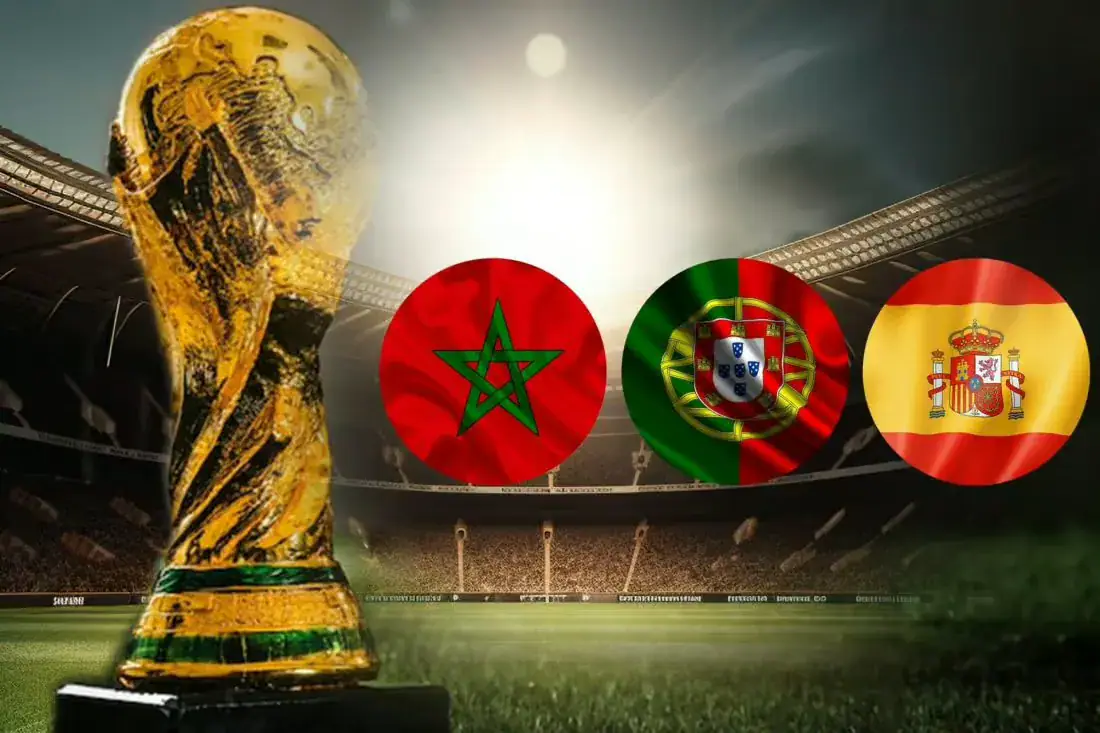
The 2030 World Cup is set to be hosted jointly by Spain, Portugal, and Morocco. Spain has proposed three potential venues for the final match: the Santiago Bernabeu in Madrid, Camp Nou in Barcelona, and the Hassan II Stadium in Ben Slimane. However, Castano's comments suggest that Spain may withdraw from hosting the tournament if its demands are not met. This has raised concerns about the potential impact on the country's football community and its relationships with FIFA and other participating nations.
In response to Castano's claims, Rafael Lusan, president of the Spanish Football Federation, has downplayed the possibility of Spain withdrawing from the tournament. Lusan emphasized Spain's commitments and agreements with FIFA and the Moroccan and Portuguese governments. He stressed that Spain is committed to fulfilling its obligations and hosting a successful World Cup.
The controversy surrounding the 2030 World Cup hosting rights has taken on a political dimension in Spain. The issue has become a topic of debate in the country's election campaign, with different parties taking varying stances on the matter. The Spanish government has expressed its support for hosting the World Cup, but has also emphasized the need for a fair and transparent decision-making process.
The final decision on the 2030 World Cup hosting rights rests with FIFA, which is expected to make an announcement in the coming months. The organization has emphasized that its decision will be based on a range of factors, including the quality of the host countries' infrastructure, their ability to meet FIFA's requirements, and their overall bid.
Morocco, which is jointly hosting the 2030 World Cup with Spain and Portugal, has expressed its confidence in its bid. The country has invested heavily in upgrading its football infrastructure, including the construction of new stadiums and training facilities. Moroccan officials have emphasized their commitment to hosting a successful World Cup and have expressed optimism about the country's chances of hosting the final match.
The 2030 World Cup is expected to be a major event for Spanish football, with millions of fans expected to attend matches across the country. The tournament is also seen as an opportunity for Spain to showcase its footballing credentials and to promote its culture and tourism industry. However, the controversy surrounding the hosting rights has raised concerns about the potential impact on the country's football community and its relationships with other nations.
Key points
- Spain may withdraw from hosting the 2030 World Cup if it is not allowed to host the final match.
- The 2030 World Cup will be jointly hosted by Spain, Portugal, and Morocco.
- The final decision on the hosting rights rests with FIFA.