The South Tongu District in the Volta Region of Ghana has seen a significant increase in teenage pregnancy cases during the second quarter of 2026. According to reports, about 190 teenage pregnancy cases were recorded across various health facilities from January to June 2026. This represents an increase from 166 cases during the same period in 2025. The district's poverty index is reported at 36.0%, according to the Ghana Statistical Service, with most residents being rural dwellers facing multidimensional poverty.
Factors such as poverty, drug abuse, inadequate sexual education, sexual and gender-based violence, and unprotected sexual intercourse have consistently contributed to the district recording high rates of teenage pregnancy. The district's situation has raised public health concerns, with the South Tongu District Public Health Nurse, Rachelle Elikem Zewu, expressing worry about the statistics. The district has crossed the national threshold for teenage pregnancy, which is pegged at 11.5%, recording 11.6%.
The Public Health Nurse outlined the launch of an intensive adolescent education drive, in partnership with stakeholders, aimed at increasing the knowledge of teenagers on their well-being and how to traverse that stage of life. The drive seeks to address teenage pregnancy and related issues such as substance abuse that affect the development of young people in adolescence. By educating teenagers, the district hopes to curtail the issues that affect their development in society.
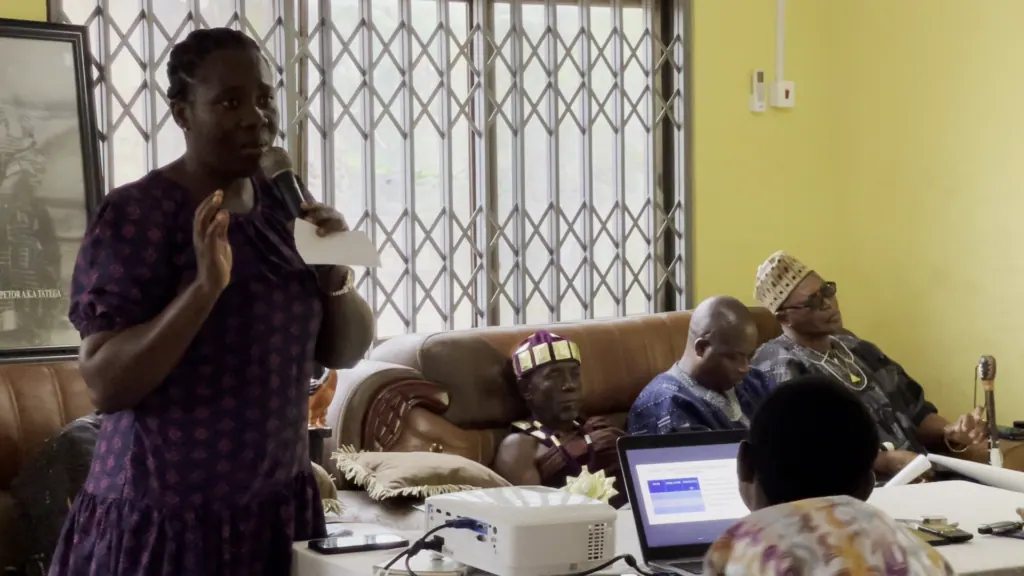
Traditional authorities in the district have expressed serious concerns about the development, which they have identified as a major obstacle in the area's progress. The Queenmother of Fevie, Nanega Mariama Fomedigbe II, said the incidents of teenage pregnancy are troubling, adding that ignorance, joblessness, and indiscipline were among the identified causes that needed to be tackled. Most of the youth are not gainfully employed, which has given them space to succumb to peer pressure and engage in the use of illicit drugs and sexual activities.
In response to the rising teenage pregnancy cases, the Nanega Development Initiative (NADI) aims to significantly reduce teenage pregnancy cases in the district. A strong appeal has been made to stakeholders to allocate resources toward combating teenage pregnancy, which deprives the younger generation of their future. The initiative will be replicated across 17 districts to mobilize resources to end teenage pregnancy in the Region as a whole.
The Queenmother of Fevie, Nanega Mariama Fomedigbe II, explained that the initiative will involve identifying stakeholders to mobilize resources and embark on a campaign to reduce teenage pregnancy in the region. The campaign seeks to propel the development of the region by addressing the root causes of teenage pregnancy. The district is calling on stakeholders to support the anti-teenage pregnancy campaign.
The rising teenage pregnancy cases in the South Tongu District have sparked concerns among stakeholders, with many calling for urgent action to address the issue. The district's authorities are working to implement initiatives that will help reduce teenage pregnancy cases and improve the well-being of young people in the area. Key efforts include education drives and job creation initiatives.
Key points
- The South Tongu District in Ghana's Volta Region has recorded 190 teenage pregnancy cases from January to June 2026.
- The district's poverty index is reported at 36.0%, contributing to high rates of teenage pregnancy.
- The Nanega Development Initiative (NADI) aims to significantly reduce teenage pregnancy cases in the district.