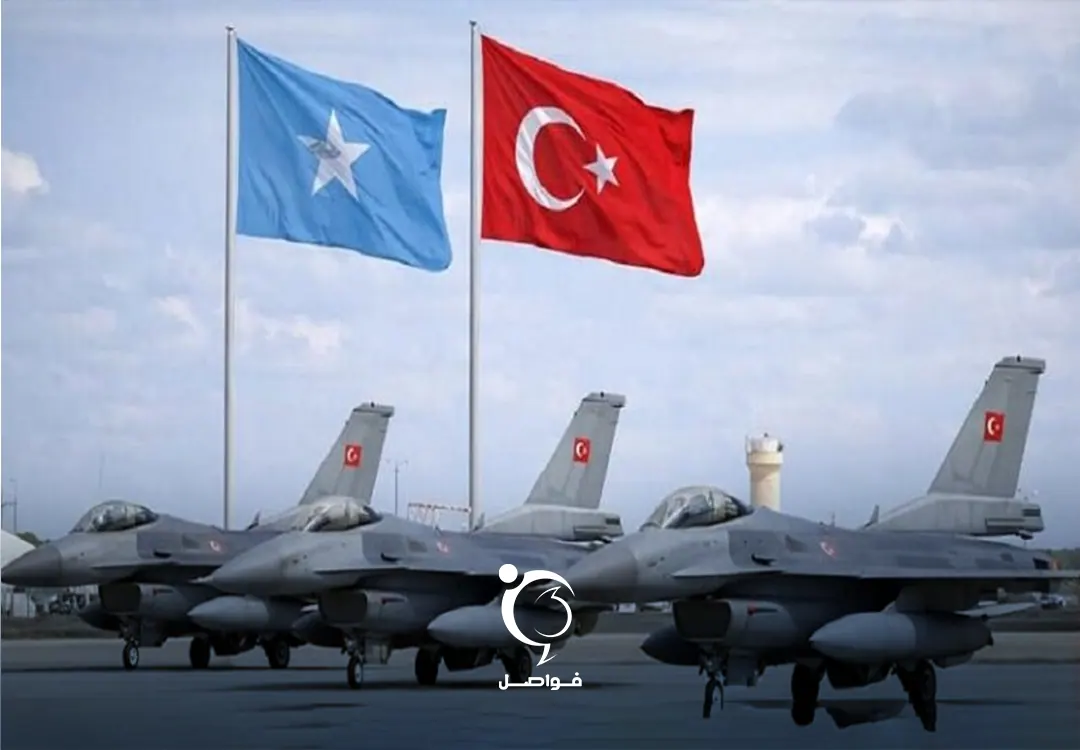
Violent clashes broke out on September 28 in the city of Baidoa, the administrative capital of southwestern Somalia's Lower Shabelle region. The fighting occurred between federal forces and those loyal to former regional president Abd al-Aziz Laftogreen. The clashes coincided with the departure of Turkish fighter jets from a base in Mogadishu. Reports indicated that the Turkish aircraft, identified as F-16s, took off as the battles began.
The clashes are part of an escalating political and security crisis between the federal government in Mogadishu and Laftogreen, who was ousted from his position as president of the region. The federal government has expressed support for the current administration of the region. According to reports, forces loyal to Laftogreen accused federal forces and Turkey of carrying out airstrikes in the Baidoa area.
The alleged airstrikes resulted in civilian casualties and material damage, according to Laftogreen's supporters. They claimed that six missiles launched by Turkish F-16s targeted areas within the city. However, they did not provide independent evidence to confirm that Turkish aircraft carried out the strikes. The situation remains tense, with concerns about the impact on regional stability.
The increased Turkish military presence in Somalia is part of a broader strategic cooperation between Ankara and Mogadishu. The two countries have been expanding their collaboration in areas such as defense, energy, and military training. Turkish companies have been involved in oil and gas exploration off the Somali coast.
A Turkish research vessel, the Oruc Reis, conducted seismic surveys in three maritime sectors earlier this year. Additionally, the Turkish drilling ship, Cagri Bey, began the first Turkish drilling operations in Somali waters during the current year. These activities have contributed to the growing military and economic ties between Turkey and Somalia.
The clashes in Baidoa have raised concerns about the security situation in the region. The federal government has maintained that it supports the current regional administration. However, the opposition has expressed concerns about the government's actions. The situation remains fluid, with ongoing efforts to address the crisis.
The Turkish military's involvement in Somalia has been expanding in recent years. The country has been providing military training and equipment to Somali forces. The recent airstrikes and military movements have underscored the complexities of the security situation in the region.
Key points
- The clashes in southwestern Somalia have resulted in civilian casualties and material damage.
- The Turkish military presence in Somalia is part of a broader strategic cooperation between Ankara and Mogadishu.
- The situation in Baidoa remains tense, with concerns about the impact on regional stability.