The ongoing turmoil in energy markets has prompted Gulf countries to boost their investments in Libya, a nation with significant oil reserves. According to a report by the American magazine Global Finance, major energy companies in the Gulf region are expanding their investments in North Africa, particularly in Libya. This move is driven by the need to diversify and secure energy supplies amid the ongoing crisis in the Middle East.
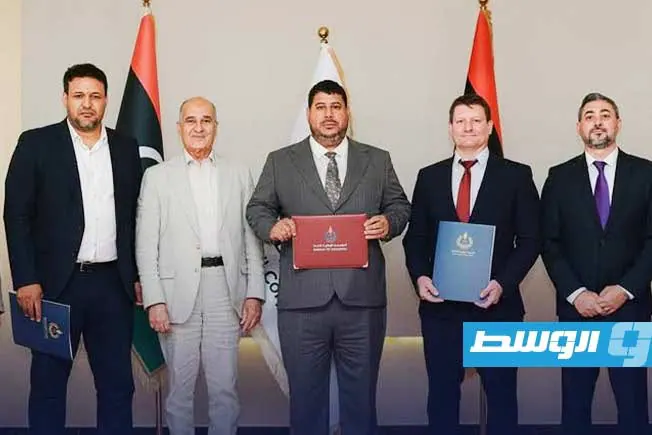
The report highlights that Libya, with its substantial oil reserves, presents an attractive opportunity for investors. However, the country has long been a source of concern for foreign investors due to its complex political landscape. In July, Qatar's US$1 billion deal with Libya's National Oil Corporation and the Libyan Investment Authority aims to increase production in the Ghadames basin from 33,000 barrels per day to 80,000 barrels per day.
Other Gulf companies have also announced significant investments in Libya. Oman's OQ, for instance, has signed a contract to explore investment opportunities in the country. The company's CEO, Ashraf Al Maimari, emphasized the need to reduce dependence on exports through the Strait of Hormuz. These developments suggest a growing interest among Gulf investors in Libya's energy sector.
Despite the ongoing political crisis in Libya, there are indications of improvement. The reunification of the Central Bank in 2023 and the approval of a unified national budget in April this year are seen as positive steps. The Libyan authorities are now seeking to reopen the energy sector to foreign investors, with several major companies, including Italy's Eni, France's TotalEnergies, Spain's Repsol, and Chevron, showing interest.
The renewed focus on Libya is not limited to the energy sector. The country's strategic location and natural resources make it an attractive partner for countries seeking to secure energy supplies. North Africa, in general, is becoming increasingly important in the global energy landscape, with countries like Libya and Algeria well-positioned to meet growing demand.
Algeria, for example, has attracted around $9 billion in projects backed by Gulf investors over the past 18 months. These include a $5.4 billion oil and gas deal with Saudi Arabia's Madad Energy and a $3.5 billion dairy project with Qatar's Baladna. The Algerian state-owned energy company, Sonatrach, aims to increase production and drill 1,450 wells by 2030.
As the global energy landscape continues to evolve, countries with significant reserves like Libya and Algeria are likely to play a crucial role in meeting growing demand. While challenges remain, the renewed interest in Libya's energy sector presents opportunities for growth and cooperation between Gulf investors and the Libyan government.
Key points
- Gulf countries are increasing investments in Libya's energy sector amid ongoing turmoil in global energy markets.
- Libya's significant oil reserves and strategic location make it an attractive partner for countries seeking to secure energy supplies.
- The renewed focus on Libya's energy sector presents opportunities for growth and cooperation between Gulf investors and the Libyan government.