For communities in South Sudan's former oil-producing areas, the consequences of the country's oil war continue long after the violence that forced thousands of people from their homes. More than two decades after alleged war crimes were committed during oil operations in the former Sudan, South Sudanese victims are still seeking justice, recognition and compensation for the suffering they endured.
Civil society organisations are pursuing another route to accountability through Norway, centred on a complaint filed with Norway's National Contact Point under the Organisation for Economic Co-operation and Development (OECD) guidelines for responsible business conduct. The complaint concerns the 2022 merger between Lundin and Norwegian oil and gas producer Aker BP and whether human rights risks to potential victims were adequately considered.
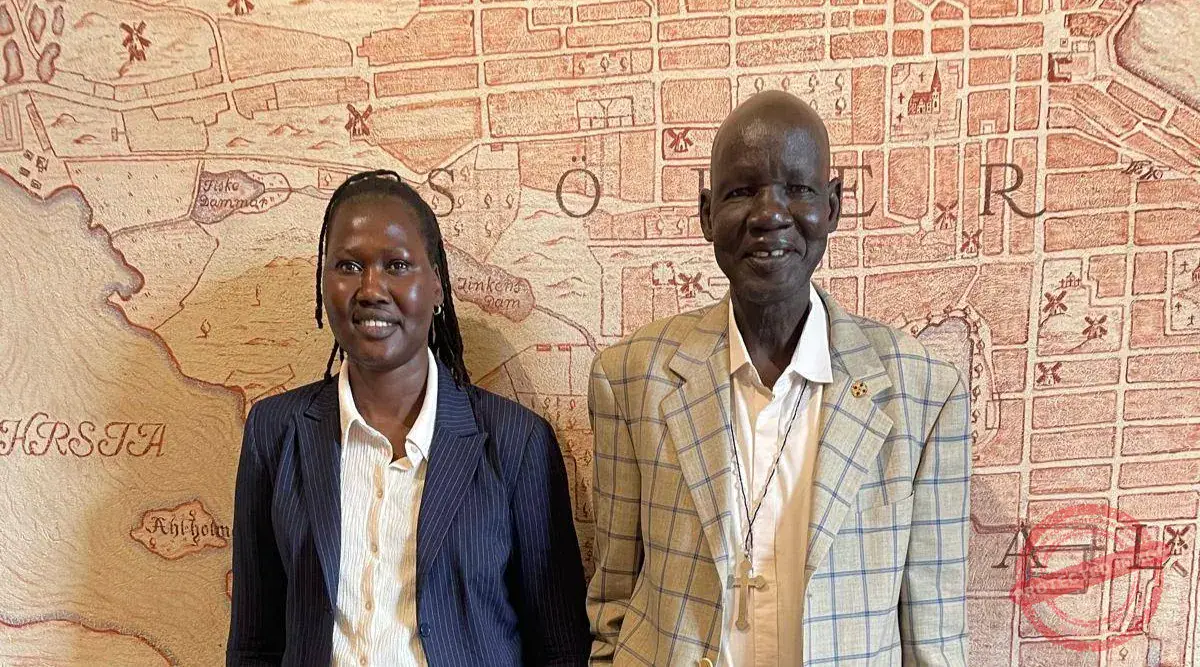
The organisations involved in the complaint include five European organisations and three South Sudanese groups: PAX, Civil Society Coalition on Natural Resources, Global Idé, Church Aid, Liech Victims Voices, Norwegian People's Aid, South Sudan Council of Churches and Swedwatch. Liech Victims Voices represents people affected by the conflict in the areas where Lundin operated.
The Norwegian National Contact Point concluded that Aker BP had failed to conduct adequate human rights due diligence regarding the potential impact of the merger on victims' rights. The assessment also found that the company had not meaningfully engaged with affected stakeholders or adequately addressed the risks identified in the complaint.
One of the significant outcomes was the recommendation that Aker BP engage with Orrön Energy, the entity left behind in Sweden, to explore options for ensuring that victims could still receive compensation. However, Aker BP disagreed with the result and considers the case closed and does not plan any further action.
The Swedish trial and the victims' quest for justice are unfolding alongside each other. The trial involves Ian Lundin, former chairman of Lundin Oil, and Alex Schneiter, the company's former chief executive, who are accused of complicity in war crimes allegedly committed in the former Sudan between 1999 and 2003.
For the organisations supporting the victims, the pursuit of justice goes beyond whether the accused executives are convicted. A conviction could provide recognition of the suffering experienced by affected communities, but legal proceedings alone would not address the continuing social and economic consequences of the conflict.
Key points
- The Norwegian National Contact Point concluded that Aker BP had failed to conduct adequate human rights due diligence regarding the potential impact of the merger on victims' rights.
- The organisations involved in the complaint are pursuing another route to accountability through Norway, centred on a complaint filed with Norway's National Contact Point under the Organisation for Economic Co-operation and Development (OECD) guidelines for responsible business conduct.
- The Swedish trial of former Lundin executives is nearing a verdict, with the prosecution seeking prison sentences and forfeiture of approximately 2.4 billion Swedish kronor.