The Ministry of Wildlife Conservation and Tourism in South Sudan has partnered with African Parks and other government institutions to demarcate the country's national parks. This initiative aims to curb encroachment, protect wildlife habitats, and promote sustainable management of natural resources. The effort seeks to establish clear boundaries around protected areas and involve local communities in the conservation process.
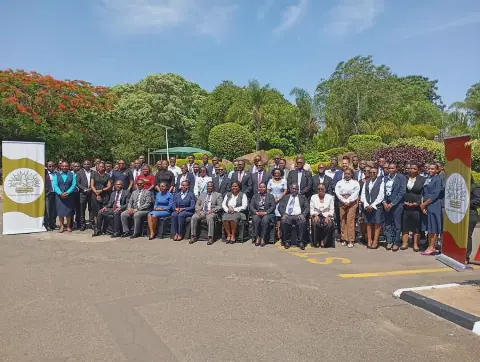
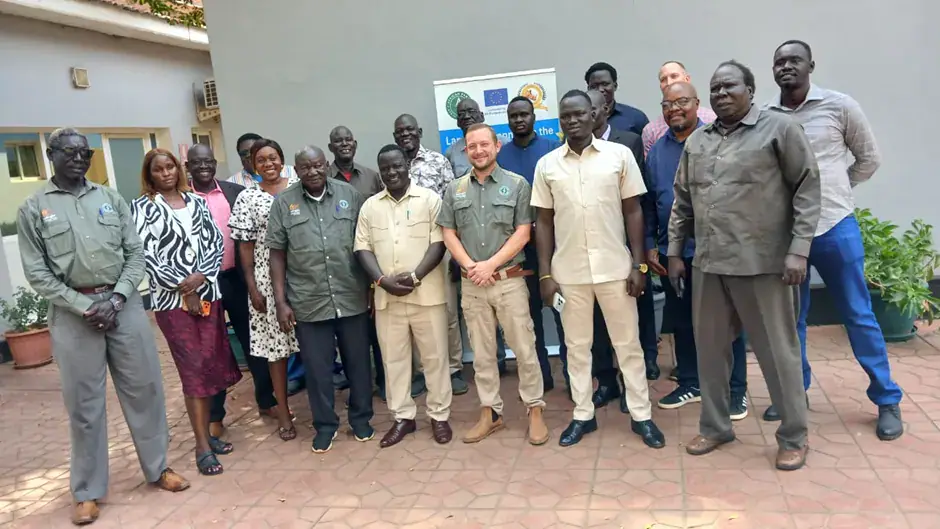
A two-day land-use planning workshop was recently held in Juba, where stakeholders discussed the importance of community engagement in the demarcation process. Lt. Gen. Martin Ring Malek, Assistant Director General for Administration and Finance at the Ministry of Wildlife Conservation and Tourism, emphasized that community consultations are crucial for the success of the initiative. The goal is to clearly mark wildlife-protected areas and involve communities living within or near these areas.
The expansion of settlements into protected areas during years of conflict has necessitated community consultations, including discussions about potential relocations. Malek noted that the government is committed to engaging affected communities, addressing their concerns, and collaborating on relocation strategies for those residing within national parks. The initiative aims to conserve biodiversity and ensure the sustainable use of South Sudan's natural resources while actively involving local communities.
David Geng Kech, Coordinator of the Land Reform Unit at the Ministry of Land, Housing and Urban Development, highlighted the importance of effective land-use planning in harmonizing human settlements, commercial activities, and wildlife conservation. He stressed that wildlife resources significantly contribute to the national economy through tourism and related activities.
Joseph Kulang Akech, Director of Research and Planning at the Ministry of Environment and Forestry, described the demarcation initiative as crucial for safeguarding South Sudan's biodiversity and environmentally sensitive areas. He noted that national parks host essential biological resources that must be preserved for future generations. Kulang urged communities to view the demarcation process as an opportunity for future preservation rather than a displacement threat.
The demarcation program targets key areas identified as biodiversity hotspots that require conservation. Kulang called for the government to extend similar conservation efforts to vital forest plantations and other environmentally sensitive landscapes. The Ministry of Wildlife Conservation and Tourism, in partnership with African Parks, is working to ensure the long-term protection of South Sudan's natural resources.
The partnership between the government and African Parks is a significant step towards protecting South Sudan's wildlife and natural resources. The initiative is expected to have a positive impact on the country's economy and environment. Key stakeholders will continue to engage with local communities to ensure the success of the demarcation process and the conservation of national parks.
Key points
- The South Sudan government partners with African Parks to demarcate national parks and address encroachment.
- The initiative aims to conserve biodiversity and ensure sustainable use of natural resources while involving local communities.
- The demarcation program targets key biodiversity hotspots and seeks to protect essential biological resources.