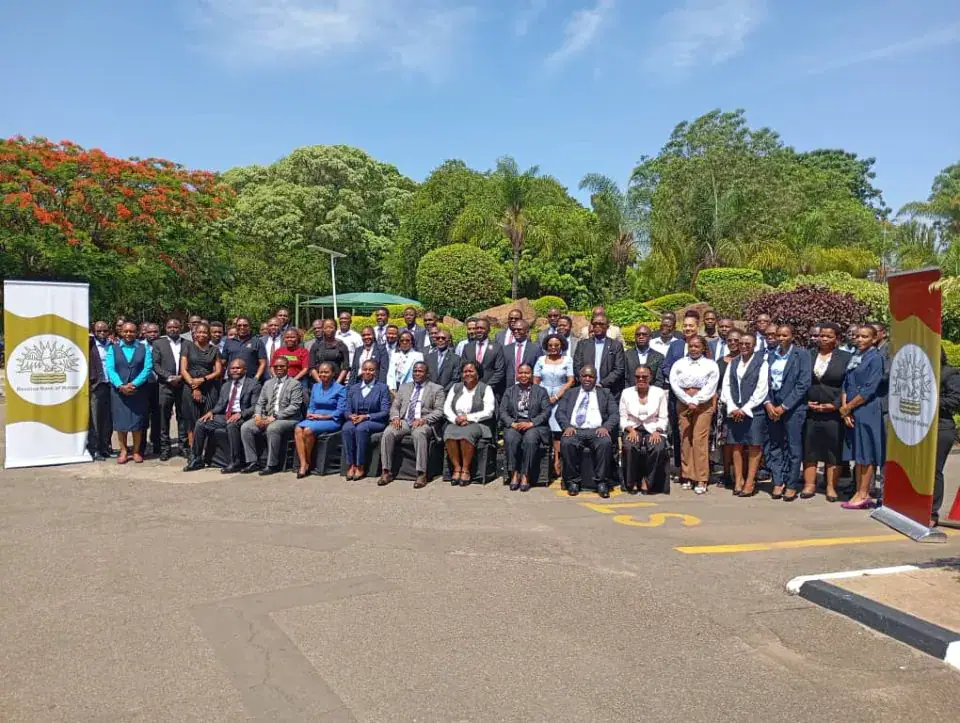
The government of Malawi, the Reserve Bank of Malawi (RBM), and digital financial service providers have come together to address challenges facing digital payment platforms. These challenges include fraud, high transaction charges, and declining consumer confidence. The discussions aim to find solutions to fraudulent activities targeting mobile money users, such as cases where fraudsters send messages claiming to be stranded at border posts and requesting money to clear goods.
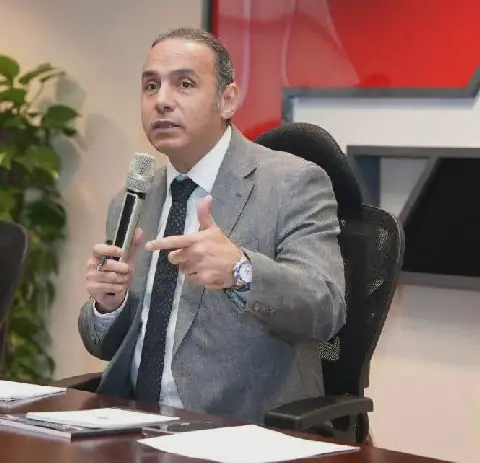
Principal Secretary for E-Government, Prosper Mopiwa, acknowledged the concerns over fraudulent activities and high transaction charges. He stated that stakeholders are exploring ways to make digital transactions more affordable and reasonable for citizens. Mopiwa emphasized the need for operators to ensure that such cases of fraud are minimized going forward. The government is working to introduce more reasonable charges for citizens.
RBM Director of National Payments Systems, Angela Njojo, said the central bank is working with stakeholders to address challenges affecting digital financial services. The bank's consumer protection unit handles various complaints, although customers are encouraged to first seek assistance from their service providers. Njojo emphasized that the RBM's concern is not merely access, but usage and how it is transforming the lives of every Malawian who accesses and uses these services.
The RBM is reviewing regulations aimed at strengthening the sector. This move is expected to enhance consumer protection, affordability, and trust in digital financial services. Airtel Money Malawi Managing Director, Thokozani Sande, attributed high transaction charges partly to rising operational costs, including technology and energy expenses. She also noted that most fraud cases involve social engineering, where scammers manipulate unsuspecting customers.
Sande said Airtel Money is working with the central bank to promote merchant payments as an alternative to cash withdrawals. Once the ecosystem is well-developed, customers will no longer need to cash out. This move is expected to increase the use of digital financial services in Malawi. Stakeholders believe that improving consumer protection, affordability, and trust will be essential to achieving this goal.
The collaboration among operators and regulators has helped improve connectivity and tackle mobile money fraud. The government, RBM, and digital financial service providers are working together to ensure that digital transactions are secure, affordable, and convenient for citizens. This initiative is expected to promote financial inclusion and transform the lives of Malawians.
The Malawi government and RBM are committed to addressing the challenges facing digital payment platforms. By working together with stakeholders, they aim to create a secure, affordable, and trustworthy digital financial services sector. This will help increase the use of digital financial services and promote financial inclusion in the country.
Key points
- The government, RBM, and operators are working together to address digital payment challenges, including fraud, high transaction charges, and declining consumer confidence.