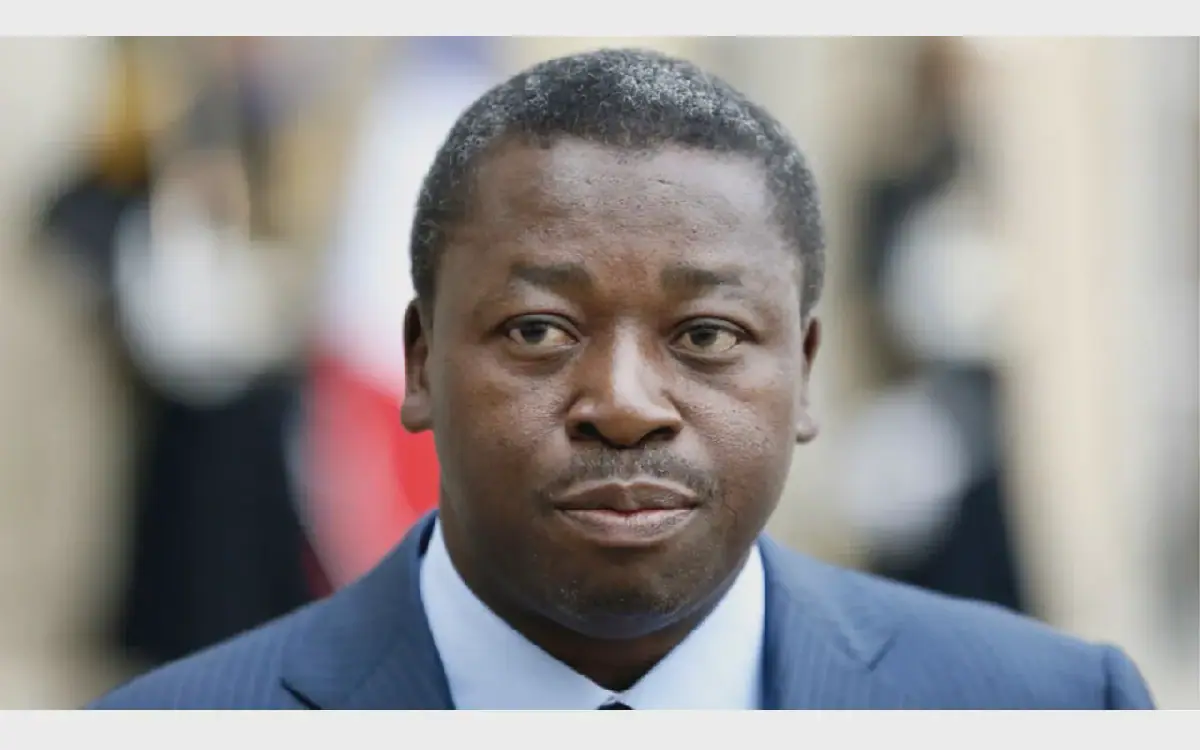
Togo's President Faure Gnassingbé has been accused of pursuing a policy of totalitarianism, ignoring the needs of his citizens, and prioritizing his family's interests. He has been in power since 2005, following a disputed election. Critics argue that he has consistently disregarded democratic principles and perpetuated a culture of nepotism. The president's actions have led to widespread discontent among the population.
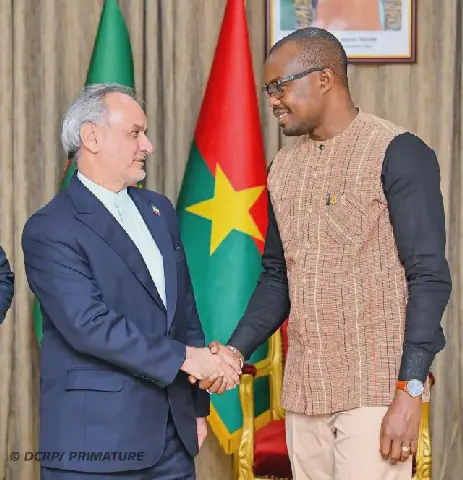
Recently, Faure's regime was criticized for appointing his half-brother, Mey Gnassingbé, to represent Togo at the inauguration of Benin's new president. This move was seen as a manifestation of the president's family-centric approach to politics. The opposition has denounced this decision, arguing that it exemplifies the regime's entrenched culture of nepotism and disregard for democratic norms.
The Togolese opposition is currently divided into two main factions: the Cadre National de Concertation pour le Changement (CNCC) and the Manifeste Génération Togo (MGT). While both groups are opposed to Faure's regime, their fragmented state undermines their ability to present a united front against the government. This division has sparked concerns that the opposition may struggle to effectively challenge the president's authority.
On November 8, 2026, the CNCC held a meeting in Tsévié, which was attended by prominent opposition leaders, including Jean-Pierre Fabre, head of the Alliance Nationale pour le Changement (ANC). Fabre acknowledged that the opposition faces significant challenges, including the military's support for the regime. He emphasized the need for the opposition to work together to overcome these obstacles and bring about change.
However, some opposition leaders have expressed willingness to engage with the regime. Éric Dupuy, the ANC's communication director, stated that his party was open to participating in elections, even if they only garnered 4% of the vote. This stance has been met with skepticism, with some questioning whether participation in such elections would legitimize the regime.
The MGT has planned a "Journée patriotique d'avertissement" (Patriotic Warning Day) on November 20, 2026, aimed at raising awareness about the population's grievances and pressing the government to address their concerns. Meanwhile, the CNCC is preparing for a meeting in Lomé on December 13, 2026. While these initiatives are commendable, their impact might be limited by the opposition's divisions.
The Togolese people are eagerly awaiting a unified opposition strategy to challenge Faure's regime effectively. As the country's political crisis deepens, it remains to be seen whether the opposition can put aside its differences and present a united front against the government. The international community is watching closely, concerned about the potential consequences of prolonged instability in the region.
Key points
- The opposition's fragmented state hampers its ability to challenge President Faure Gnassingbé's authority effectively.
- Faure's regime has been accused of nepotism and authoritarianism, leading to widespread discontent among the population.
- The opposition's divisions have sparked concerns that it may struggle to bring about meaningful change in Togo.