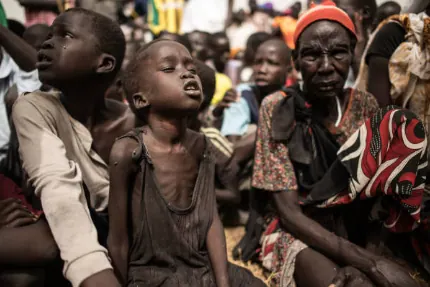
In South Sudan, access to affordable healthcare and medicines remains a serious concern. The country's tax and regulatory framework has been criticized for contributing to higher costs for patients. Private health facilities and pharmacies face various expenses, including taxes, customs charges, and import costs, which can make essential healthcare unaffordable for ordinary citizens.
A recent report by Eye Radio highlighted concerns raised by private healthcare providers over taxes, import costs, and regulatory requirements affecting health facilities in South Sudan. Dr. Shakir Thomas Eluzia, Head of Maxicare Medical and Surgical Complex, called for a review of taxes and charges affecting healthcare facilities, particularly those related to imported medicines and medical equipment. He warned that high operating costs could threaten the sustainability of private health facilities and lead to higher charges for patients.
The government needs domestic revenue to finance national development and strengthen public institutions. However, revenue collection must be accompanied by transparency and accountability. Taxpayers have a legitimate interest in knowing how much public money is allocated to healthcare, where it is spent, and what results it produces. The government should make health budgets and expenditure reports more transparent, including allocations for medicines, medical equipment, health facilities, and healthcare workers.
The Transitional National Legislative Assembly has a crucial role in scrutinizing financial and tax laws affecting healthcare. Taxes, customs duties, and other charges imposed on medicines, pharmaceutical supplies, and medical equipment should be reviewed to determine whether they unnecessarily increase the cost of treatment. The legislature should consider targeted tax relief or exemptions for essential medicines and critical medical equipment where appropriate.
Tax reform alone will not solve the challenges facing healthcare; stronger action against corruption is equally important. The government should strengthen oversight of the importation, registration, distribution, and sale of medicines. Counterfeit, expired, unregistered, unlicensed, or substandard medicines must be kept out of the market. Corruption in medicine procurement, customs procedures, licensing, registration, and inspection can put lives at risk.
Fighting corruption also requires greater transparency in public health expenditure. Citizens and taxpayers should be able to see how much the government allocates to healthcare, how funds are distributed, and what they achieve. Relevant authorities should regularly publish clear information on health expenditure, including spending on medicines, medical equipment, healthcare workers, and health facilities.
Healthcare is not simply a social service; it is an investment in human capital and economic development. Healthy citizens are better able to work, learn, and contribute to their communities. Conversely, unaffordable healthcare can push vulnerable families deeper into poverty and reduce household productivity. Reducing unnecessary costs, improving access to medicines, and strengthening healthcare quality can contribute to a healthier and more productive population.
Key points
- The government of South Sudan needs to review taxes and charges affecting healthcare facilities to ensure essential healthcare is affordable for ordinary citizens.
- The Transitional National Legislative Assembly should scrutinize financial and tax laws affecting healthcare to determine whether they unnecessarily increase the cost of treatment.
- Greater transparency in public health expenditure is necessary to help identify waste, abuse, and irregularities in healthcare spending.