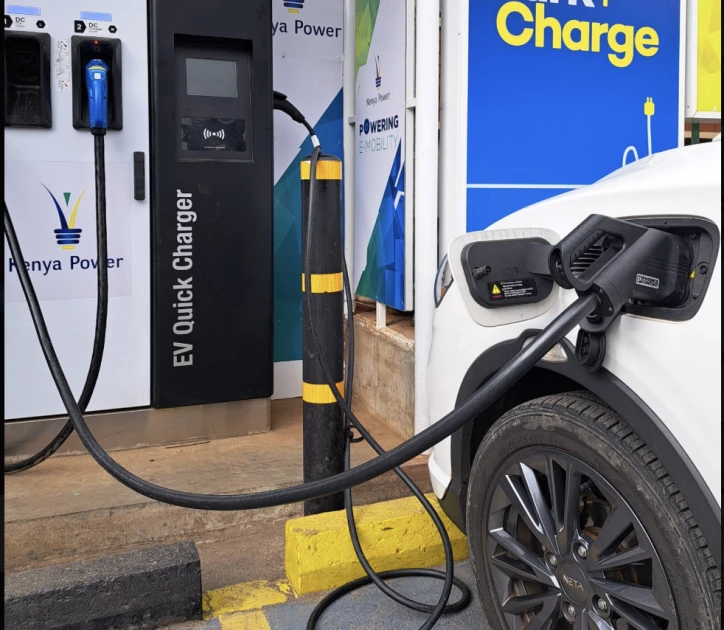
Kenya's electric mobility sector has experienced rapid growth, with e-mobility electricity sales increasing by over 113-fold in less than three years. Consumption rose from 13,500 kWh in July 2023 to more than 1.5 million kWh in April 2026. The number of registered EVs has also increased significantly, rising to 24,754 in 2025 from 796 in 2022. This growth is largely driven by electric motorcycles, buses, and fleet vehicles in urban areas.
The surge in electric mobility has led to a significant increase in electricity consumption. Kenya Power reported that the sector's annual electricity consumption jumped 188% in 2025, rising to 8,433,437 kWh from 2,922,692 kWh in 2024. This generated Ksh.125.9 million in EV charging revenue compared with Ksh.64.8 million the previous year. EPRA's statistics also show that e-mobility consumption grew 152.49% in the July-December 2025 period compared with a year earlier.
The rapid growth of the sector has prompted EPRA to rewrite the EV charging tariff. A gazette notice dated September 18, 2026, amended the 2023 electricity tariff schedule to introduce additional provisions for e-mobility consumers. The original 2023 design had a cap of 15,000 kWh a month, with higher tariffs applying beyond that threshold. However, operators had been lobbying against the cap, citing demand that was already exceeding the monthly limit.
The new tariff structure introduces an Energy Consumption Threshold, which replaces the fixed cap of 15,000 kWh. The threshold is calculated from the average consumption of the previous six consecutive months for existing customers, while new customers use their first three consecutive months. This allows charging networks, battery-swapping firms, and bus fleets to scale consumption without being pushed into a costlier commercial-and-industrial tariff band.
The change in tariff structure is expected to favor further EV uptake and Kenya Power. For operators, the change removes a ceiling that was becoming a real constraint on business planning. For Kenya Power, more predictable, unconstrained e-mobility demand means more overnight load absorbed onto a grid that already curtails significant surplus generation, plus a growing, high-margin revenue line.
Despite the growth of the sector, infrastructure remains a bottleneck. As of June 2025, EPRA data showed 6,442 registered EVs and an estimated 300 charging points nationally. Kenya Power has been adding to that base incrementally, but public charging remains thin relative to fleet growth. The vehicle count itself has moved faster than the chargers meant to serve it, with over 14,700 electric buses, cars, tuk-tuks, motorcycles, and bikes on Kenyan roads.
The government has introduced several fiscal tools to support the growth of the sector, including zero-rated VAT on electric buses, bicycles, motorcycles, and lithium-ion batteries, and lower excise duties on selected EVs. President Ruto has also announced that the first 100,000 electric vehicles imported into Kenya will be exempt from import duty. However, a proposal to change e-mobility components and solar technologies from VAT zero-rated to VAT exempt status was rejected by Parliament, retaining the zero-rated status in the Finance Act 2026.
Key points
- EPRA has rewritten the EV charging tariff to accommodate the rapid growth of the sector, introducing an Energy Consumption Threshold to replace the fixed cap of 15,000 kWh.
- The sector has experienced rapid growth, with e-mobility electricity sales increasing by over 113-fold in less than three years.
- The government has introduced several fiscal tools to support the growth of the sector, including zero-rated VAT and lower excise duties on selected EVs.