In South Africa, communities are fighting back against ultra-processed diets by embracing traditional food culture. In areas like Steenbok and Elukwatini, rural communities celebrate the harvest of marula trees, which provide fruits and nuts used to make traditional beer and food. This traditional practice is being lost globally, but individuals and organizations are working to revive indigenous food knowledge and promote sustainable farming systems.
The Global Health Advocacy Incubator reports that diets are shifting towards ultra-processed foods, eroding traditional food cultures and reshaping food systems. In South Africa, ultra-processed foods account for 37% to 39% of total daily energy intake among low-income adults, driving obesity, non-communicable diseases, and mortality rates. Diabetes is the leading cause of natural death in the country.
Organizations like EarthLore Foundation are working with rural communities to revive traditional seeds and rituals associated with seeds and farming. Director Method Gundidza says the foundation collaborates with elders to protect natural sites and promote indigenous crops, traditional farming culture, and agricultural activities. This approach has helped communities grow maize, which is used to make traditional beverages like magau and beer.
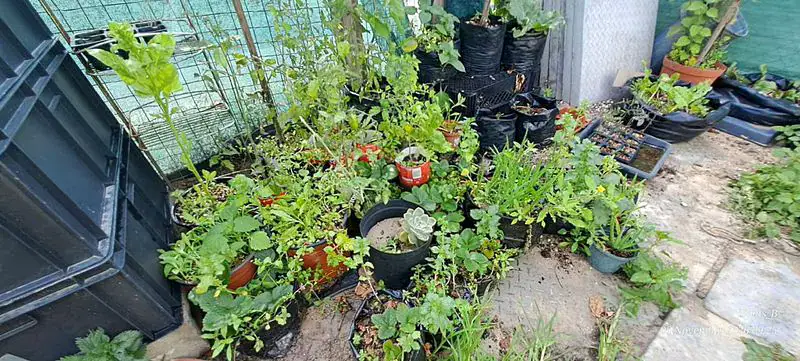
Nomonde Buthelezi, a 48-year-old woman from Mfuleni, Cape Town, is a champion of traditional food systems. Diagnosed with irritable bowel syndrome in 2016, she was instructed to incorporate organic food into her diet. However, she found organic food expensive and inaccessible. After participating in a training program run by Soil for Life, she began her own vegetable garden and started selling vegetables to her community.
Buthelezi co-founded the Food Agency Cape Town, a community research organization that advocates for the right to food. The organization measures food insecurity in local communities and holds dialogues to understand the findings. These discussions have raised awareness about section 27 of the Constitution, the right to food, and how this right can be assured.
Buthelezi also facilitates eco-clubs at schools in Nyanga and Salt River, Cape Town, teaching children climate-smart and environmentally friendly farming methods, as well as the health benefits of growing and eating their own food. At Salt River Secondary School, learners are trained in maintaining a food garden, the benefits of healthy eating, and entrepreneurship.
Christie-Ann Dinthe, a 24-year-old, noticed that she felt fatigued after eating normal bread. She started experimenting with traditional foods and is now part of a movement to promote sustainable food systems. As individuals and organizations work together to challenge ultra-processed diets, they are finding innovative ways to revive traditional food culture and promote a healthier, more sustainable food system.
Key points
- Traditional diets have a smaller impact on the environment compared to ultra-processed foods.
- Ultra-processed foods account for 37% to 39% of total daily energy intake among low-income adults in South Africa.
- Communities are working to revive indigenous food knowledge and promote sustainable farming systems.