The South African sugar industry is facing another crisis as retailers and food manufacturers fail to honour a government-brokered agreement to source 95% of their sugar from local producers. According to SA Canegrowers, the industry association representing sugar farmers, this failure has led to a 20% decline in sales this season. The industry has long been struggling with cheap imports due to weak local tariff protections, which has added to the troubles of companies such as Tongaat Hulett.
The sugar masterplan, which was first introduced in 2020, aims to protect the local sugar industry by ensuring that retailers and manufacturers source a significant portion of their sugar from local producers. However, SA Canegrowers claims that retailers are not only importing sugar from countries such as India, Brazil, and Thailand but also from neighbouring countries like Eswatini. This has put local livelihoods and jobs at risk, with industry data showing that sales have dropped to 433,380 tonnes compared to 626,417 tonnes in 2023/24.
SA Canegrowers chair Higgins Mdluli stated that retailers had committed to supporting South African sugar, jobs, and transformation when they signed the master plan. However, sourcing sugar from outside South Africa's borders, even if it's from a neighbouring country with no import tariff, still harms local communities. Mdluli argued that the money still leaves South Africa, and local livelihoods still suffer. The industry is calling for retailers to honour their commitment and support local sugar producers.
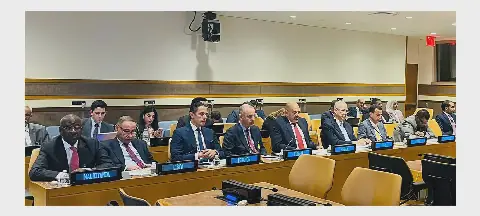
The struggles of the sugar industry were recently highlighted during a meeting between deputy trade, industry, and competition minister Zuko Godlimpi and sugarcane growers in KwaZulu-Natal. The growers expressed concerns about the constantly rising cost of fertiliser, petrol, and diesel, among other problems. Godlimpi pledged continued government support, including tariffs, to protect the industry. However, when asked to comment on SA Canegrowers' latest statement, the department said Godlimpi would convene another meeting and did not provide further comment.
In April, the industry signed the second phase of the sugar masterplan, which focuses on diversifying the sector from being purely agricultural to save jobs. The South African Sugar Association (Sasa) described this development as a major step towards ensuring the long-term sustainability of the country's sugar industry. Sasa executive director Sifiso Mhlaba stated that social partners would have scheduled meetings to review progress made and rectify any issues that may arise.
The International Trade Administration Commission (Itac) has been reviewing the tariff protections for the sugar industry. In January, it launched a formal review to evaluate appropriate tariff protections after receiving two competing applications regarding the dollar-based reference price (DBRP). Itac decided to increase the reference price to $785/tonne to balance the need to support the domestic sugar industry with the need to preserve the competitiveness of downstream industries and consumer welfare.
The sugar industry's struggles have significant implications for the country's economy and job market. With the industry continuing to face challenges, it remains to be seen how the government and retailers will respond to the calls for support. The industry is hoping that the government will take concrete steps to protect local producers and ensure the long-term sustainability of the sugar industry. Key stakeholders will be watching closely to see if the commitments made under the sugar masterplan are honoured.
Key points
- Retailers and manufacturers are not meeting their commitment to source 95% of sugar from local producers.
- The failure to honour the commitment has led to a 20% decline in sales this season.
- The industry is calling for government support, including tariffs, to protect local producers and ensure the long-term sustainability of the sugar industry.