The Congolese Observatory for Human Rights (OCDH) has documented 561 cases of young people reported disappeared during the "Zero Kuluna" operation in the Republic of Congo. This operation, launched in September 2025, aims to combat urban crime. The OCDH presented its findings on September 22, 2026, after an investigation into the operation, which was entrusted to the General Directorate of Presidential Security (DGSP) by President Denis Sassou Nguesso.
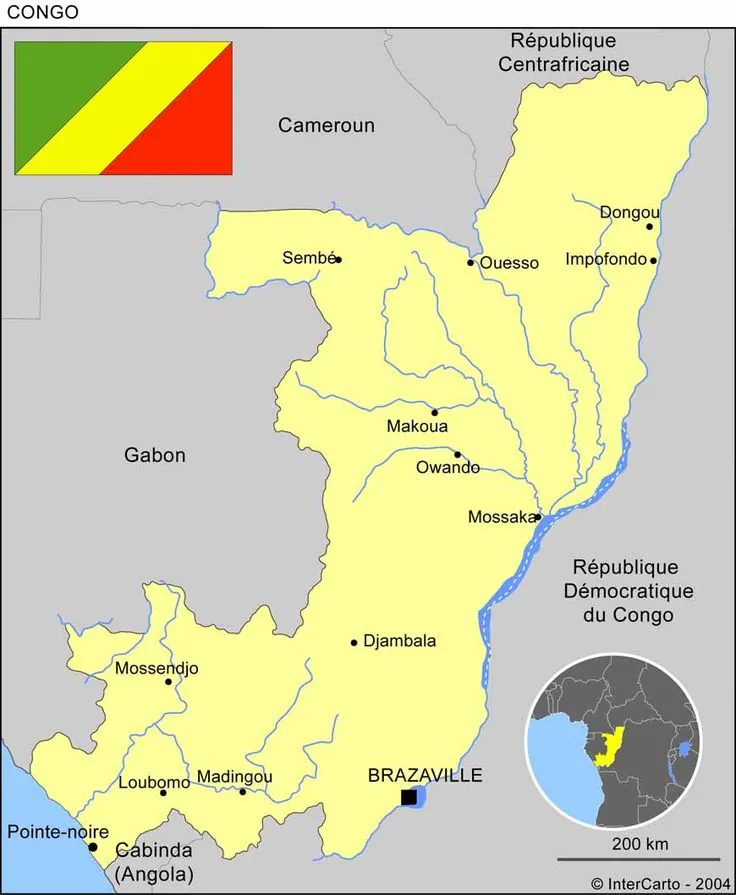
The disappearances were documented in four main urban areas: Brazzaville, Pointe-Noire, Dolisie, and Nkayi. The operation targets groups of young urban delinquents known as "kulunas" or "black babies". The OCDH's investigation is based on testimonies from families who claim to have lost track of their loved ones who were intercepted during the operation. Many families report not having received any news from their relatives since their arrest.
One family member, Dieudonné, reported that his 19-year-old son was taken from their home at night by DGSP elements on April 22. He has not heard from him since. Another family member, Julienne, also reported being without news from her son for almost a year and is demanding information about his whereabouts and fate. These testimonies highlight the concerns of families who are still searching for their loved ones.
In response to these testimonies, the President of the OCDH's Board of Directors, Parfait Moukoko, called on the authorities to clarify the fate of those intercepted and to place the operation under the authority of the judiciary. While recognizing the legitimacy of the fight against crime, he questioned the decision to entrust this mission to the DGSP, which is primarily responsible for the security of the President and his family.
The OCDH is requesting that those arrested be presented before competent courts to defend themselves and that the authorities communicate the location of those detained and the fate of those who may have died. The organization is advocating for transparency and accountability in the operation. The information provided by the OCDH has not been independently confirmed at this stage.
The "Zero Kuluna" operation aims to tackle urban crime, but concerns have been raised about the methods used and the number of disappearances reported. The OCDH's findings have sparked calls for greater transparency and accountability in the operation. The authorities have not yet responded to the OCDH's allegations.
The case highlights the challenges of balancing security concerns with human rights in the fight against urban crime. The OCDH's report emphasizes the need for the authorities to ensure that those arrested are treated in accordance with the law and that their families are informed about their fate.
Key points
- 561 young people have disappeared during the "Zero Kuluna" operation in the Republic of Congo.
- The OCDH has called for the operation to be placed under the authority of the judiciary and for those arrested to be presented before competent courts.
- The authorities have not yet responded to the OCDH's allegations regarding the disappearances during the "Zero Kuluna" operation.