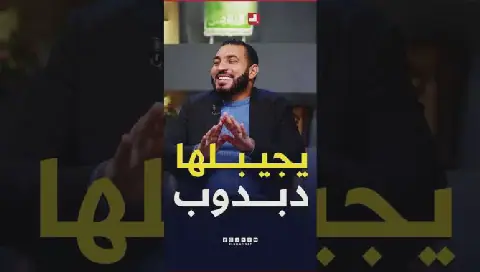
Egyptian content creator Hamdi Salman has raised concerns about the impact of fake accounts and rumors on social media platforms. He emphasized that these fake accounts can significantly influence public opinion and called for the establishment of a national digital platform to regulate online content and protect users. Salman also stressed the need for a professional body to represent content creators and ensure their rights are protected.
Salman made these remarks during a discussion on the future of digital content creation in Egypt. He highlighted the importance of regulating the industry and protecting children from the risks associated with social media. According to Salman, content creators play a crucial role in shaping public opinion and defending society, and their work should be recognized and organized within a professional framework.
The debate on whether influencers and bloggers should join the Egyptian journalists' syndicate has been ongoing, with Salman rejecting the notion that content creators are less valuable than journalists. He argued that content creation has become a significant profession with a wide reach and impact, necessitating recognition and regulation. Salman questioned why content creators do not have a professional body to represent them, despite their contributions to society and their ability to reach a broad audience.
Salman warned about the dangers of fake accounts on social media, stating that they can be used to spread rumors and damage the reputation of state institutions and public figures. He explained that creating large numbers of fake accounts to artificially inflate engagement and comments can create a misleading impression of public opinion on a particular issue. This can influence other users to adopt the same views, leading to a distorted public discourse.
To counter these challenges, Salman proposed the creation of a national electronic platform that brings together content creators, influencers, and social media users. This platform would provide a secure digital space to regulate online activity, combat fake accounts, and limit the spread of misinformation. Salman believes that such a platform would enable Egypt to have greater control over its digital environment, rather than relying entirely on foreign companies that dictate publishing policies and account management.
Salman also touched on the issue of double standards in dealing with artists and content creators. He cited the example of actor Mohamed Ramadan, arguing that criticism of some content creators is not always proportionate to the nature of their work. Salman emphasized that the value of a content creator should be measured by the quality of their work and positive impact, rather than their wealth or fame. He called for stricter controls on children's use of social media and greater parental involvement in monitoring their online activities.
In conclusion, Salman emphasized the need for a comprehensive system to regulate the content creation industry, balancing freedom of expression with professional responsibility. He advocated for clear mechanisms to hold violators accountable and protect the rights of creators. Salman's statements have sparked a discussion on the future of the relationship between traditional journalism and digital content creation in Egypt and the development of new regulatory frameworks that accommodate rapid changes in the media landscape.
Key points
- Hamdi Salman calls for a national platform to regulate digital content and protect users from fake accounts and rumors.
- He emphasizes the need for a professional body to represent content creators and ensure their rights are protected.
- Salman warns about the dangers of fake accounts on social media and their potential to influence public opinion.