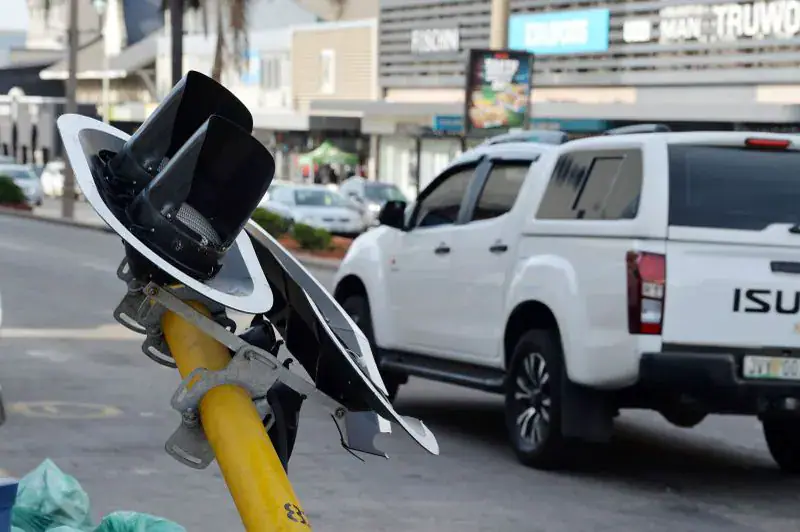
The Automobile Association (AA) of South Africa has urged municipalities to draw up lists of broken traffic lights and streetlights, complete with fault reference numbers and expected repair dates. This call comes ahead of local government elections, with the AA seeking to address the needs of pedestrians and other vulnerable road users. AA CEO Bobby Ramagwede stated that failing traffic signals, broken streetlights, and deteriorating roads are interconnected infrastructure problems that undermine safety, economic activity, and people's ability to move around.
Ramagwede emphasized that the AA wants municipalities to provide an honest account of the extent of the problem before developing plans to address it. He suggested that the easiest way to get municipalities to act is to put an action plan in front of them and enable them. The AA wants municipalities to prioritize repairs along routes used by schoolchildren, pedestrians, and people traveling to polling stations, particularly where broken traffic lights and inadequate street lighting pose safety risks.
The AA's call follows persistent failures by some municipalities, such as Nelson Mandela Bay, to maintain traffic lights and streetlights. In July, MMC for Roads and Transport Yolisa Pali-Jongilanga said the metro could no longer justify repeatedly repairing vandalized traffic lights only for them to be targeted again within weeks. The recurring expense posed a serious audit risk, and the municipality's streetlight repair and installation project was halted amid concerns about significant price discrepancies and potential procurement irregularities.
Ramagwede criticized irregular tender processes and failures to appoint suitable contractors, saying these problems undermine service delivery. He also highlighted the danger posed by broken traffic lights, particularly to pedestrians, who are often forced to play "Russian roulette" with their lives when approaching intersections. The situation is compounded after dark, when broken streetlights make pedestrians harder for motorists to see.
The cost of inefficiency is also a concern, with Ramagwede noting that queues at malfunctioning intersections force motorists to spend longer in traffic, burning fuel while making little progress. With fuel prices placing pressure on household budgets, the cost of unreliable infrastructure extends beyond the immediate safety risks. Ramagwede urged municipalities to address infrastructure failures and the administrative problems that hinder repairs, rather than repeatedly asking residents to bear the cost of inefficiency.
A fed-up resident and businessman, Jevon Dyer, loaded several broken traffic lights onto a trailer and dumped them outside Nelson Mandela Bay Municipality's customer care office in Kariega in July. Months later, and nothing has changed, he says. Dyer described the situation in Kariega as "terrible," likening it to a war zone.
The AA's call provides an opportunity for residents to scrutinize service delivery and pressure municipalities to demonstrate that they can respond to longstanding infrastructure failures. Ramagwede urged voters to look beyond political campaigns and consider the practical realities of getting to work, taking children to school, and traveling safely after dark. He also reminded municipalities that they are being watched and that it's time to take action.
Key points
- Municipalities are urged to prioritize repairs along routes used by schoolchildren, pedestrians, and people traveling to polling stations.
- The Automobile Association wants municipalities to provide an honest account of the extent of the problem before developing plans to address it.
- Broken traffic lights and streetlights pose significant safety risks, particularly to pedestrians and other vulnerable road users.