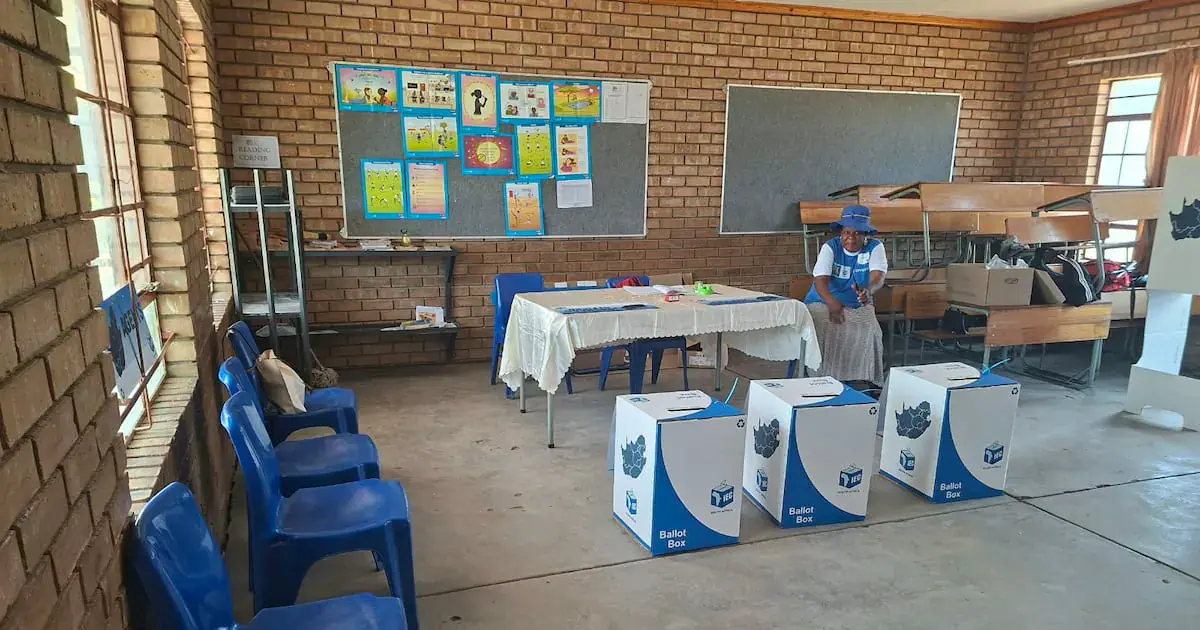
In a show of discontent, residents of Ga-Chokoe outside Mokopane in Limpopo boycotted the local elections, refusing to cast their ballots at Mahlora Primary School, the designated voting station. The boycott was a result of a dispute over municipal ward demarcation, with residents claiming they were not consulted or properly informed by the municipal demarcation board about the decision to move them from Ward 3 to Ward 6. This decision affected several communities, including Nkidikitlana, Ga Musi, Monare, and Ga-Chokoe Sterkwater.
The residents of Ga-Chokoe cited several longstanding service delivery challenges, including the lack of streetlights, water supply issues, and poor road infrastructure. They expressed frustration that their community continues to struggle with basic services, with some residents having to share water with livestock and others waiting for proper housing for over 30 years. The community's concerns were echoed by a resident who blamed the demarcation board and the municipal council for the situation, stating that the new ward would not be able to address their issues.
Despite the boycott, one resident, Nare Chokoe, arrived at the voting station at around 1 pm to exercise her democratic right. She stated that she understood the concerns of the community but believed that voting was essential, regardless of the community's decision not to participate. Her sentiments contrasted with those of many residents who felt disillusioned with the electoral process and the lack of service delivery in their communities.
The boycott was not limited to Limpopo, as residents in other parts of the country, including Tsakane in Gauteng, also chose not to vote. Mandla Madonsela, a 41-year-old taxi driver, stated that he could not afford to spend time in queues when he could be making money on the road. He expressed skepticism about the impact of his vote, citing the perceived dominance of the ANC.
In Bronkhorstspruit, Tshwane, a 32-year-old man from Zithobeni chose to collect water from a borehole rather than vote, highlighting the struggles faced by residents in accessing basic services. The area had recently made headlines after over 800 people fell ill due to contaminated water linked to the lack of chlorine at a water-treatment plant. His decision not to vote was a reflection of the community's frustration with the lack of service delivery.
Other residents, such as Xolani from Katlehong, expressed disillusionment with the electoral process, stating that they had not seen any changes after voting in previous elections. They felt that their votes would not make a difference, and that the outcome would be the same regardless of their participation. This sentiment was echoed by a young person from Katlehong who chose to sell ice lollies rather than vote, citing the lack of job opportunities and the perceived ineffectiveness of voting.
The boycott highlights the challenges faced by communities in South Africa, particularly in terms of service delivery and the electoral process. The concerns raised by residents in Ga-Chokoe and other areas underscore the need for greater engagement and consultation between municipalities and their constituents. As the country moves forward, it remains to be seen how these concerns will be addressed and whether they will impact future elections.
Key points
- Residents in Limpopo and Gauteng boycotted voting due to demarcation disputes and concerns over service delivery.
- The boycott highlighted longstanding challenges faced by communities, including lack of access to basic services such as water, housing, and streetlights.
- The decision not to vote was driven by disillusionment with the electoral process and the perceived ineffectiveness of voting in addressing community concerns.