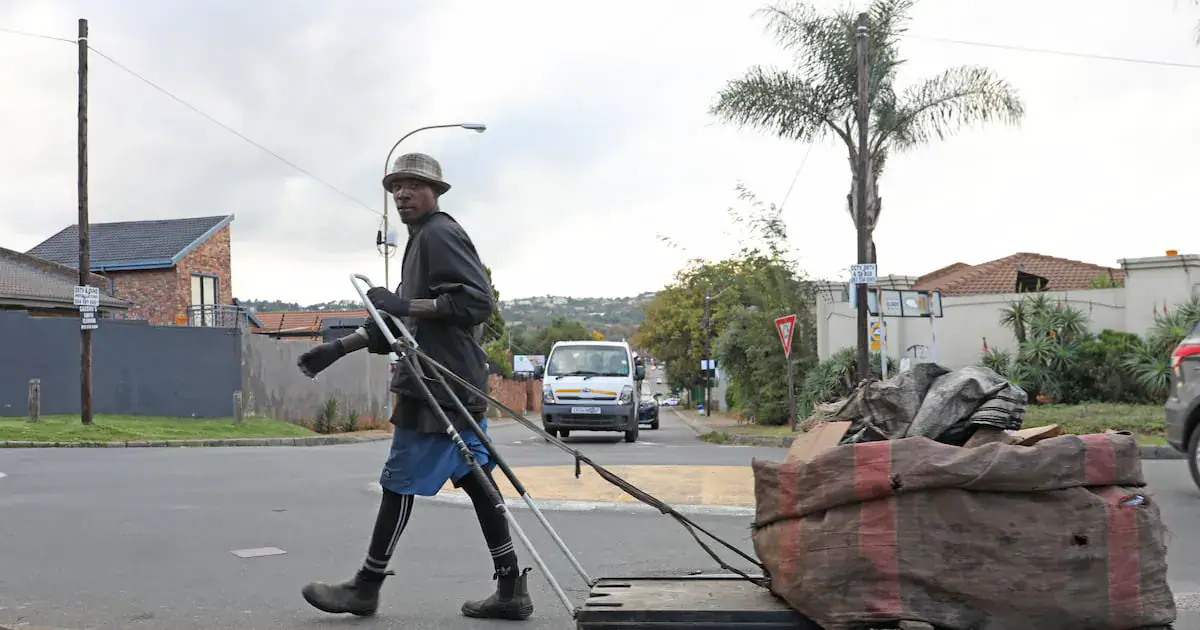
South Africa's unemployment rate has ticked up to 33.7% in the third quarter of the year, according to the country's statistics agency, Stats SA. The increase is slight, from 33.6% in the second quarter. The number of employed individuals grew by 101,000 to 16.8 million, while those without jobs increased by 97,000 to 8.6 million. The working-age population grew by 117,000, or 0.3%, during this period.
The labour force in South Africa increased by 198,000, or 0.8%, between the second and third quarters. This growth is reflected in the 101,000 increase in employed individuals. However, the number of people without jobs also grew, resulting in an unemployment rate of 33.7%. Youth unemployment, which affects people aged 15-34 years, edged 0.1 percentage point lower to 47.3% in the third quarter. This rate remains significantly higher than the national unemployment rate.
According to the quarterly labour force survey (QLFS), job increases were seen in the Finance sector, which added 111,000 jobs, followed by Manufacturing, which added 33,000 jobs, and Mining, which added 31,000 jobs. However, job losses were recorded in Private households, which shed 68,000 jobs, Agriculture, which lost 34,000 jobs, and Construction, which lost 8,000 jobs. These sectoral changes contributed to the overall unemployment rate.
Employment in the informal and household sectors declined by 98,000 and 68,000, respectively. In contrast, employment in the formal sector expanded by 268,000 to 12.3 million. The Western Cape recorded the highest increases in employment, with 48,000 jobs added, followed by the North West, which added 45,000 jobs, Eastern Cape, which added 36,000 jobs, and Gauteng, which added 25,000 jobs.
However, not all provinces experienced job growth. The Free State lost 34,000 jobs, and Mpumalanga lost 30,000 jobs. South African businesses have struggled to retain and add jobs this year due to subdued demand and a steep increase in input costs, mainly linked to higher fuel prices resulting from the US-Iran war.
The challenges facing businesses are reflected in S&P Global's recently published purchasing managers index, which showed a drop in employment for the third successive month in October. The rate of job-shedding was the sharpest in six years, indicating that the jobless rate is likely to remain elevated in the last quarter of 2026.
The QLFS report highlights the ongoing labour market challenges in South Africa. Despite some job growth in specific sectors, the overall unemployment rate remains high. The statistics agency's findings underscore the need for continued efforts to address the country's unemployment crisis and support economic growth.
Key points
- The unemployment rate in South Africa increased to 33.7% in the third quarter, with 8.6 million people without jobs.
- Youth unemployment edged 0.1 percentage point lower to 47.3% in the third quarter, still significantly higher than the national rate.
- Job increases were seen in Finance, Manufacturing, and Mining, while job losses were recorded in Private households, Agriculture, and Construction.
Reporting sources
- Unemployment rate worsens slightly to 33.7% · The Sunday Times