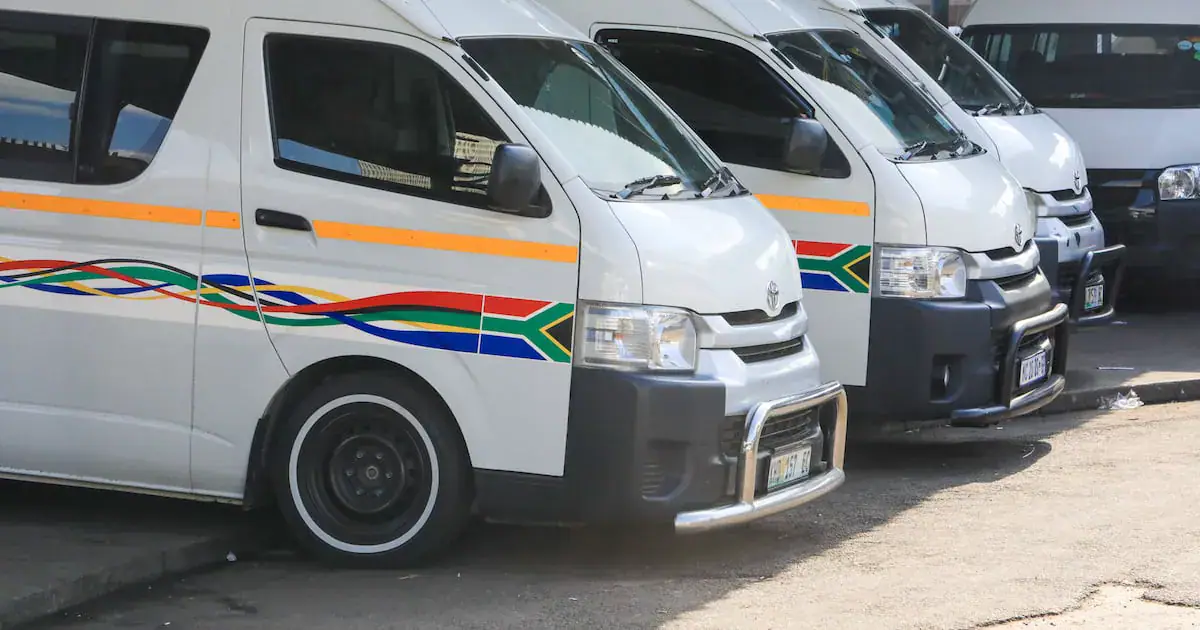
The taxi industry in South Africa is one of the most significant contributors to the country's economy, providing a vital means of transport for millions of people and sustaining families whose livelihoods depend on the daily movement of commuters. The industry's significance extends beyond the vehicles on the roads, with owners, drivers, queue marshals, rank workers, and families relying on it for their income. As the economy evolves and technology continues to reshape businesses, the question remains whether the taxi industry is positioning itself to participate in these changes or risks being left behind.
The taxi industry's role in transporting South Africans, particularly working-class commuters, is well established, but it is uncertain whether the industry is adapting to the changing market. The rise of e-hailing and digital platforms has introduced new ways of accessing transport, and businesses are increasingly looking at convenience, accessibility, and technology to attract customers and create additional revenue streams. These developments are not only changing how businesses operate but also influencing consumer behavior, the nature of work, and the movement of money across the economy.
The taxi industry cannot afford to view these developments as happening outside its own sphere, as the people who sustain the industry are the same people whose habits, circumstances, and economic needs are being reshaped by these changes. When people find alternative ways to access services, their need to travel may change, and the industry must consider what those changes mean for its long-term sustainability. With an established presence in communities across the country, the taxi industry possesses vehicles, route networks, knowledge of local communities, and an existing customer base that could be used for more than conventional commuter transport.
Despite its potential, very little thought has gone into using the existing infrastructure to participate in other economic activities emerging around it. As businesses compete to reach more customers, deliver goods faster, and eliminate the inconvenience of distance, there may be opportunities for the taxi industry to expand its economic role. The industry should be asking how it can create additional value from the infrastructure and relationships it already possesses, rather than simply abandoning its traditional business model.
The sustainability of the industry cannot be separated from the sustainability of the livelihoods built around it, with many operators relying on the daily business generated by commuters. Any decline in demand, increase in operating costs, or disruption to established routes can have consequences that extend beyond the owner of a vehicle. The industry's modernisation is crucial, with some initiatives already aimed at introducing digitalisation and improving operational efficiency.
However, the challenge lies in implementing these initiatives at sufficient scale, ensuring operators can access the resources needed to participate, and creating new economic opportunities. Digital payments, for example, can improve convenience and help generate better operational data, but further possibilities emerge when an industry begins to understand its passenger volumes, travel patterns, routes, and customer needs more effectively.
The taxi industry's future depends on its ability to adapt to the changing economy and technological advancements, with the government, private sector, and industry leadership all playing a role in creating conditions that support a more sustainable public transport system. The industry's strategic position in the daily lives of South Africans makes its transformation crucial for the country's economic growth and development.
Key points
- The taxi industry must adapt to technological advancements to remain economically relevant.
- The industry's modernisation requires investment and support from the government and private sector.
- The taxi industry has the potential to expand its economic role by leveraging its existing infrastructure and relationships.