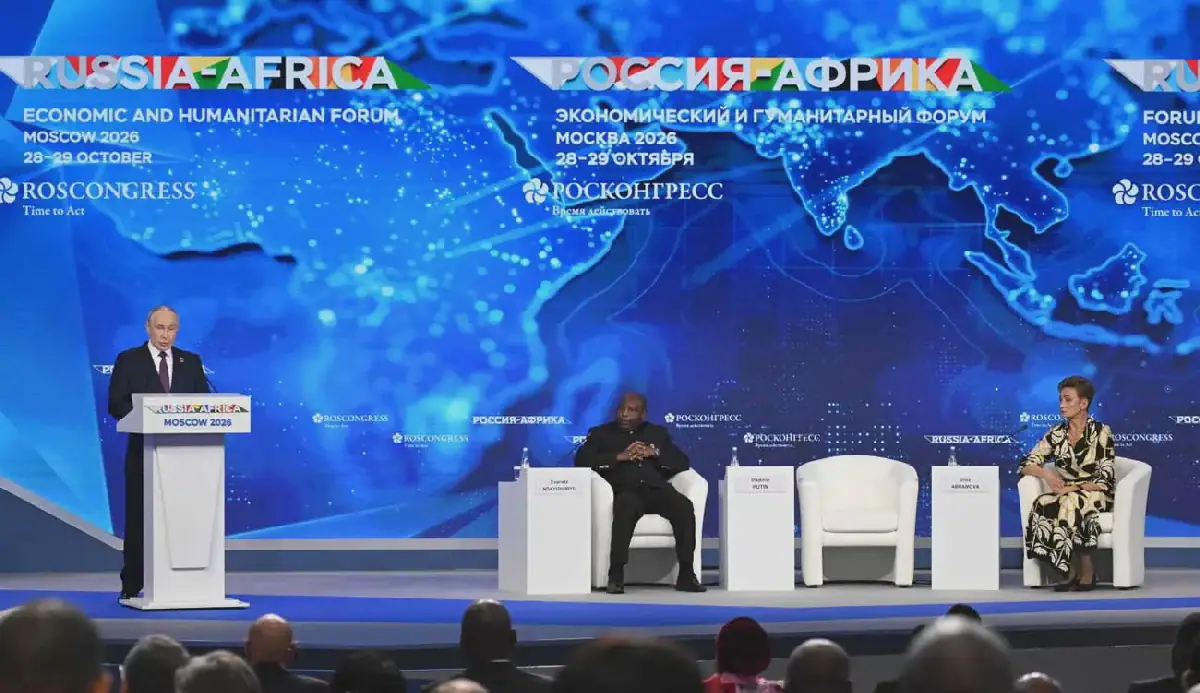
The third Russia-Africa Summit, held in Moscow, has brought together over 22 African heads of state and government. Russian President Vladimir Poutine, in his address, emphasized the importance of African autonomy, calling for a break from the inherited global order and colonial past. He urged African leaders to define their own destiny, proposing an alternative model of partnership based on co-development rather than domination.
Poutine's proposed model aims to foster cooperation and mutual growth between Russia and Africa. He expressed Russia's willingness to work with Africa, not as colonizers, but as equal partners. To strengthen ties, Poutine invited African airlines to establish direct flights to Russia, which he believes will boost tourism and development. This initiative is part of a broader effort to enhance cooperation between Russia and Africa.
The Russian president also addressed the issue of sovereignty, advocating for the establishment of sustainable payment channels in national currencies. He suggested expanding banking relationships between Russia and Africa, as well as adopting alternative transmission mechanisms. This move aims to reduce African countries' dependence on Western financial systems, which can limit their sovereignty.
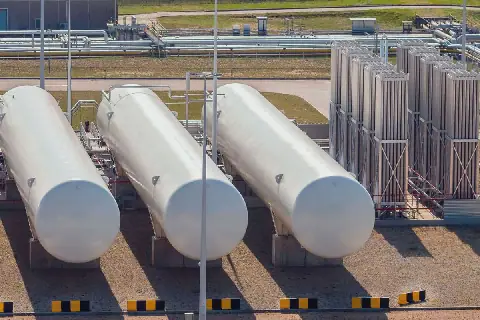
Poutine highlighted Russia's commitment to supporting African development, citing joint programs that utilize debt funds to finance national projects focused on economic growth. He mentioned 30 energy projects in 16 African countries as examples of this cooperation. Additionally, Russia is willing to share unique technologies with African countries to promote responsible water resource management.
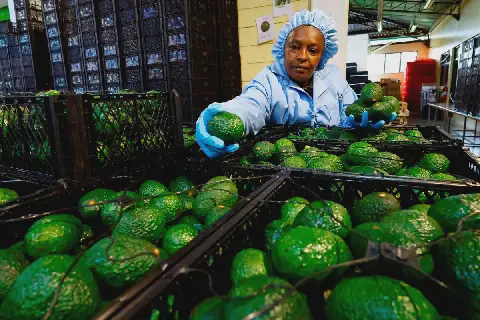
In the area of food security, Poutine emphasized Russia's role as a reliable guarantor of food security in Africa. He reported that Russia exported 13 million tons of agricultural products to African countries in the first nine months of 2026. Over 40 African states already receive Russian grain and fertilizers, demonstrating the strength of Russia's commitment to supporting Africa's food security.
Poutine used the summit to advocate for a more just and multipolar world, where the voices of the majority are heard. He believes this new world order will replace the existing unipolar system. The Russia-Africa axis, supported by BRICS member countries, is seen as a key component of this emerging multipolar world. BRICS countries account for over 40% of global GDP, while the G7 accounts for less than 30%.
The Russia-Africa Summit has also highlighted the growth in trade between Russia and Africa. The volume of trade between the two reached a record $27.7 billion in 2025, according to official data. While this represents progress, it falls short of the Kremlin's 2019 target of $40 billion. The summit demonstrates Russia's ongoing efforts to strengthen its ties with Africa and increase cooperation in various areas.
Key points
- Poutine proposes a new partnership model based on autonomy and co-development to Africa.
- Russia aims to increase cooperation with Africa in areas such as energy, water management, and food security.
- The Russia-Africa Summit highlights the growth in trade between Russia and Africa, with a record $27.7 billion in trade in 2025.