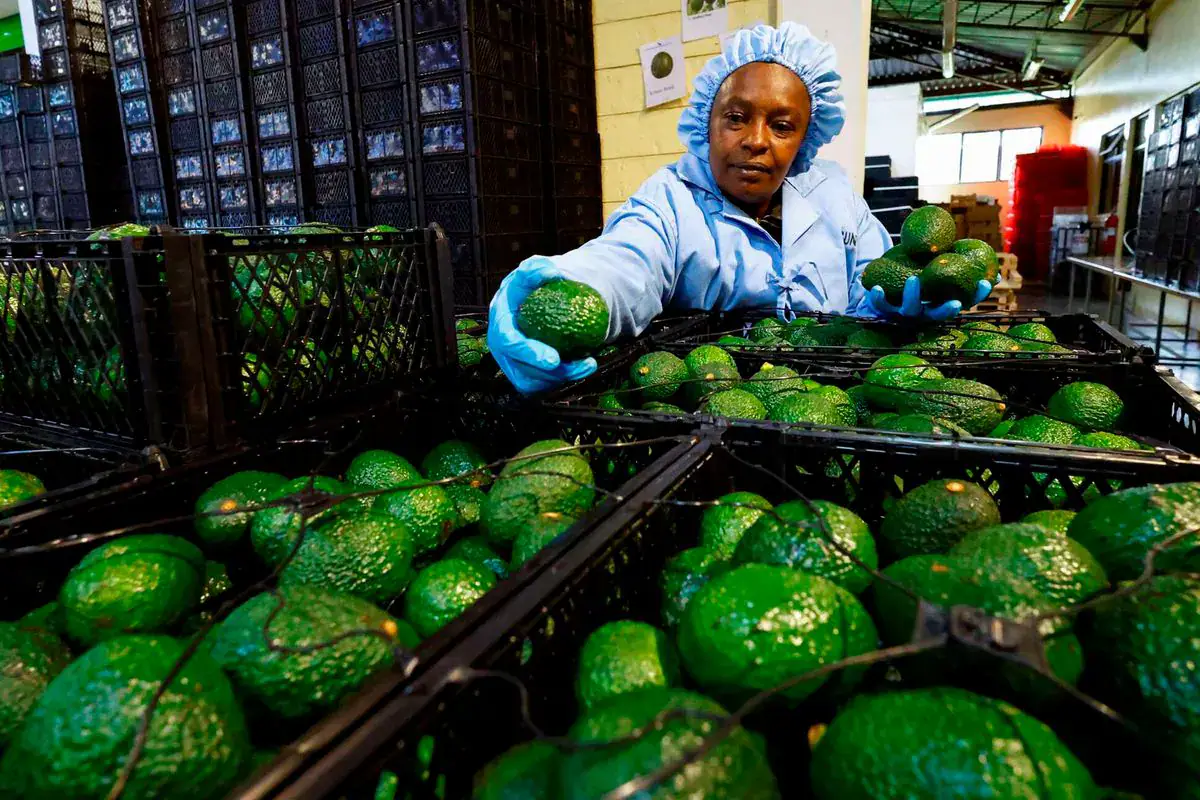
The Kenyan government has suspended avocado exports by sea due to a nationwide shortage of export-ready fruit. According to the Agriculture and Food Authority (AFA), the current production levels are too low to sustain sea shipments. This move aims to protect the quality of Kenyan avocados in international markets, where premature harvesting has raised concerns about fruit quality.
The restriction affects four avocado varieties: Hass, Fuerte, Pinkerton, and Jumbo. However, exporters can continue shipping these varieties by air, subject to inspection and clearance by the Horticultural Crops Directorate. Exporters must also provide traceability details for every consignment. The AFA has also closed the harvesting season for avocado oil processors, with existing oil stocks requiring verification by November 2, 2026.
The avocado export industry is a significant contributor to Kenya's economy, earning Sh20.8 billion in 2025. Official trade data shows that Kenya exported 120,893 tonnes of avocados to markets including the Netherlands, United Arab Emirates, Spain, and France. The Netherlands accounted for the largest share by value at Sh5.04 billion. The AFA's move aims to maintain reliable supplies and meet buyers' quality requirements.
The closure of the sea export season is expected to impact smallholder farmers who depend on exporters and packhouses to aggregate their produce for overseas markets. With air freight costing more, exporters may become more selective about the volumes they buy, the quality of fruit they accept, and the prices they are willing to pay growers. This could lead to lower prices for farmers or force them to sell to local traders and processors.
Industry figures indicate that air freight for fresh produce costs between $4.50 and $6 per kilogramme, compared to about $4 per kilogramme for sea freight. This translates to an additional $500 to $2,000 in freight charges per tonne. The AFA will continue monitoring avocado maturity and production patterns, issuing further guidance on the next main export window.
The regulator has repeatedly warned against premature harvesting, which can undermine confidence among overseas buyers. Exporters have raised concerns that complaints about immature avocados could damage Kenya's standing in key markets. The sector is under pressure to ensure that competition for fruit among fresh produce exporters and oil processors does not encourage harvesting before the crop is ready.
The AFA has also tightened controls on mango exports, warning that some exporters mix mango consignments with avocados for sea shipment after the avocado season closes. During this closure, all mango consignments will undergo inspection before an export certificate is issued, with exporters ensuring that permits cover mango fruit only. The AFA's measures aim to maintain the quality and integrity of Kenya's agricultural exports.
Key points
- Kenya's avocado export season halted due to low supplies
- Exporters can continue shipping by air, subject to inspection and clearance
- The sector is under pressure to ensure quality and meet buyers' requirements