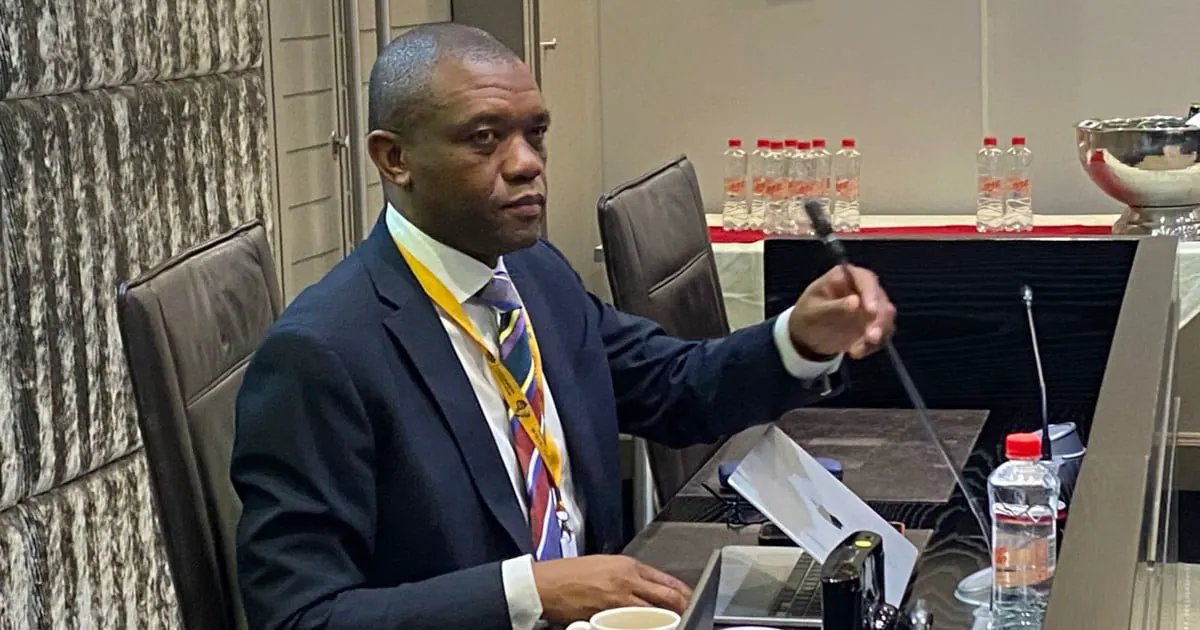
The Standing Committee on Public Accounts (SCOPA) in South Africa has announced its intention to increase pressure on the National Treasury to blacklist suppliers who have engaged in corrupt practices and failed to deliver services, costing the state millions of rand. SCOPA Chairperson Songezo Zibi stated that the committee will work with Parliament's Portfolio Committees to ensure follow-through on its recommendations. This move aims to address concerns that while SCOPA has been effective in monitoring the public purse, it lacks the authority to enforce consequences for malfeasance.
During a performance review, several MPs expressed concerns that SCOPA's recommendations are not being implemented. ActionSA's Alan Beesley emphasized the need for SCOPA to support the Special Investigating Unit (SIU) in ensuring its recommendations are carried out. Beesley noted that if SCOPA does not play this role, the SIU will be ineffective, as its current recommendations are not being implemented. The MK Party's Thalente Khubeka also called for SCOPA to be given more authority, citing the refusal of former Road Accident Fund CEO Collins Letsoalo to appear before the committee.
SCOPA's Chairperson, Songezo Zibi, acknowledged that while Parliament has the power to withhold money in response to non-compliance, it appears reluctant to do so. Zibi emphasized the need for SCOPA to work with other committees to ensure that its recommendations are implemented. The committee is mapping its program for the months ahead, focusing on areas that require closer inspection, such as the Public Investment Corporation, which controls billions of rand in public pensions.
The ANC's Helen Neale-May highlighted the need for closer inspection of the Public Investment Corporation, given the significant amount of public pensions it manages. The DA's Patrick Atkinson emphasized that poor-performing municipalities should remain on the committee's radar. SCOPA's efforts aim to address concerns about the effectiveness of its oversight and ensure that those responsible for corrupt practices are held accountable.
SCOPA's review of its performance to date has revealed that while it has been effective in keeping a watch over the public purse, it may be taking on too much and not achieving enough. The committee is seeking to work with other parliamentary committees to ensure that its recommendations are implemented and that suppliers who engage in corrupt practices are blacklisted.
The committee's efforts to increase pressure on the National Treasury to blacklist corrupt suppliers are seen as a crucial step in addressing the issue of corruption in South Africa. By working with other committees and emphasizing the need for consequences for malfeasance, SCOPA aims to ensure that its recommendations are implemented and that the public purse is protected.
The issue of corruption in South Africa remains a significant concern, with many calling for greater accountability and consequences for those responsible. SCOPA's efforts to address this issue are seen as a crucial step in promoting transparency and accountability in the management of public funds.
Key points
- SCOPA will work with Parliament's Portfolio Committees to ensure follow-through on its recommendations to blacklist corrupt suppliers.
- The committee aims to support the Special Investigating Unit (SIU) in ensuring its recommendations are carried out.
- SCOPA seeks to be given more authority to enforce consequences for malfeasance.