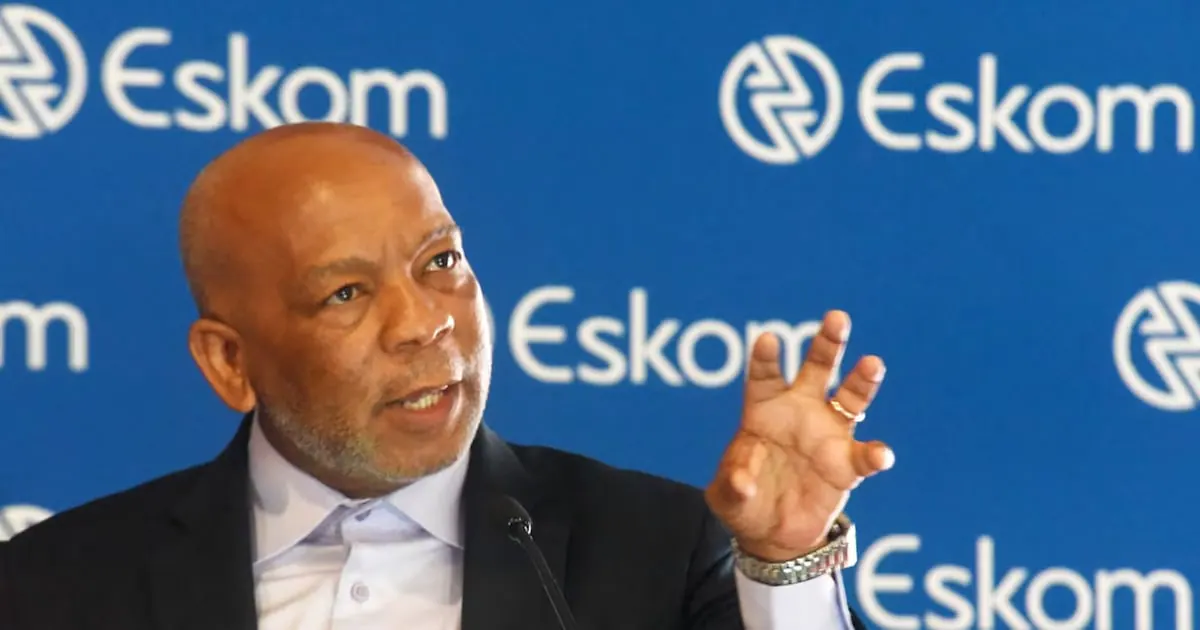
South Africa's Electricity and Energy Minister Kgosientsho Ramokgopa has announced that Eskom is entering a new era, dubbed "Eskom 2.0", as the country moves beyond load-shedding and prepares for a more competitive electricity market. This transformation is necessary as reforms bring new players into electricity generation, transmission, and distribution, marking a significant shift from Eskom's traditional role as a vertically integrated monopoly.
According to Ramokgopa, Eskom can no longer operate as it has for over a century, and must transition to a more complex phase that prioritizes reliable and affordable electricity. He emphasized that the cost of electricity is crucial for households, businesses, and the country's industrial competitiveness. The new phase will require Eskom to support economic growth, industrialization, and wider access to electricity while reducing costs.
A key aspect of Eskom 2.0 is addressing inefficiencies, electricity theft, technical losses, maintenance backlogs, and revenue leakage. Municipal debt is a significant threat, with municipalities owing Eskom approximately R450 billion. Ramokgopa stressed that if this debt problem is not addressed, Eskom's future projections will be severely impacted. The minister also emphasized that Eskom will no longer rely on repeated government bailouts or sustained double-digit electricity tariff increases.
Despite the entry of new electricity market players, Ramokgopa believes Eskom remains central to South Africa's economic recovery and industrialization. He stated that Eskom is indispensable to the country's industrialization agenda. The government is working to ensure that poor households receive the free basic electricity intended for them, with about R21 billion allocated annually for this purpose.
The government is exploring ways to provide support directly to indigent households, rather than relying solely on municipalities to distribute it. This move aims to improve the effectiveness of the free basic electricity program. Eskom 2.0 should ultimately give South Africans confidence that the state-owned utility has a sustainable future in the changing electricity market.
Eskom board chairperson Mteto Nyati's tenure has been extended for three more years, as the cabinet has decided that he is best suited to continue leading the utility's transformation. Nyati has accepted the task and plans to meet with the board in October to develop a five-year plan to execute the new vision for Eskom 2.0.
Nyati aims to build on the progress made by the previous board, with an ambition of achieving a clean audit. The extended tenure is seen as a vote of confidence in Nyati's leadership, and he has committed to delivering a plan that will enable Eskom to measure its success and execute its new strategy effectively.
Key points
- Eskom is transitioning to "Eskom 2.0", a new era of operation that prioritizes reliable and affordable electricity.
- The state-owned utility will address inefficiencies, electricity theft, and revenue leakage to ensure a sustainable future.
- Eskom board chair Mteto Nyati's tenure has been extended for three years to oversee the implementation of Eskom 2.0.