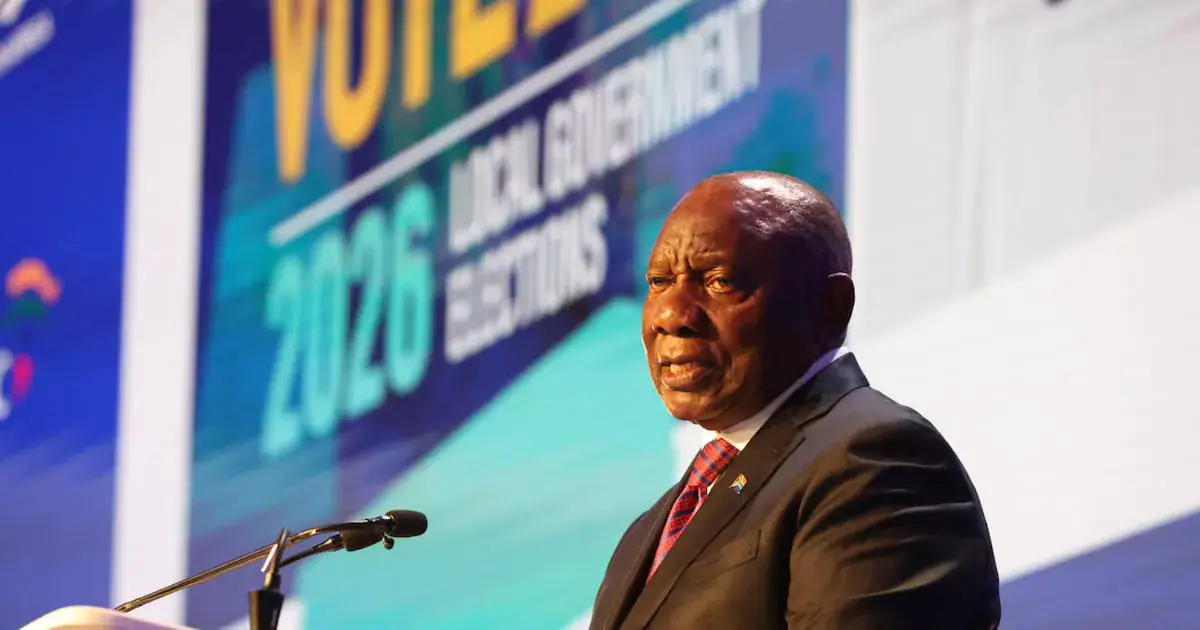
South Africa's democratic process has once again proven resilient, with the African National Congress (ANC) accepting the outcome of the local government elections without incident. The ANC, which has been losing support over the past decade, has relinquished control of several councils. This development has triggered coalition negotiations among various political parties. The ANC's electoral setback has significant implications for its leadership, with some speculating about the future of President Cyril Ramaphosa and other national officials.
The ANC's poor performance has raised questions about its leadership and potential early national elections. However, the party's focus is currently on coalition negotiations. In Gauteng, three dominant parties - the Democratic Alliance (DA), ActionSA, and the ANC - are likely to play a crucial role in shaping council governance. These parties, along with smaller ones, may establish a framework for cooperation across the province. This arrangement could provide greater stability in municipalities.
The situation is more complicated in KwaZulu-Natal, where the MK Party emerged as the largest party. This unique dynamic may influence coalition negotiations, with some within the ANC possibly favouring an alliance with the MK Party, the Economic Freedom Fighters (EFF), and smaller partners. Alternatively, the ANC might choose to occupy opposition benches in councils where it did not secure the largest share of the vote. Each option carries consequences for political parties, leaders, and voters.
Coalition negotiations must prioritize good governance, effective service delivery, and residents' interests. The pursuit of positions should not be the sole driving force behind these talks. Instead, parties should focus on building councils capable of delivering stable and accountable government. The era of treating municipalities as employment agencies for politicians must end. The people have spoken, and their will should be respected and acted upon.
The ANC's leadership will play a critical role in shaping coalition negotiations and the party's future. President Cyril Ramaphosa and other national officials have faced speculation about their positions. The party's performance has sparked discussions about its leadership and potential changes. The ANC's ability to adapt to the changing political landscape will be crucial in the coming weeks.
The outcome of coalition negotiations will have a significant impact on municipal governance and service delivery. Residents expect effective governance and accountability from their local councils. The involvement of smaller parties in coalition negotiations may lead to more inclusive decision-making processes. Ultimately, the success of these coalitions will depend on the parties' ability to work together and prioritize residents' needs.
As coalition negotiations continue, all parties must prioritize the interests of residents and focus on delivering effective governance. The democratic process has proven resilient, but it is crucial that parties act in the best interests of the people. The ANC's leadership and the outcome of coalition negotiations will shape the country's political landscape in the coming months and years.
Key points
- ANC's electoral setback sparks coalition talks and raises questions about its leadership
- Coalition negotiations must prioritize good governance and effective service delivery
- Outcome of coalition negotiations will significantly impact municipal governance and service delivery
Reporting sources
- SOWETAN | Coalitions must deliver effective councils · The Sowetan