The Juba City Council's recent arrest of 17 residents and shop owners for violating sanitation regulations has raised concerns about the effectiveness of punishment in keeping the city clean. The arrests, which included a pregnant woman and two nursing mothers, were made just days after an article was published urging the council to focus on behavioral change rather than technology. The council's decision to enforce sanitation regulations is not without legal justification, as the 2025 anti-waste bylaw grants the municipality authority to penalize illegal dumping.
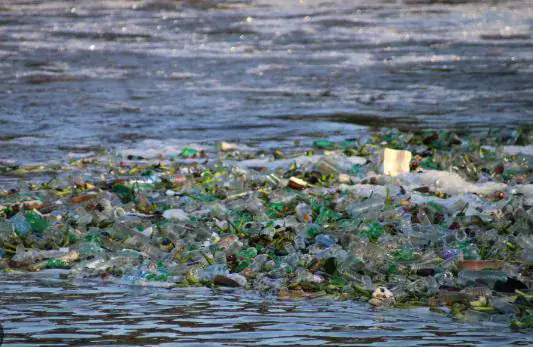
However, treating enforcement as the first response rather than the last resort may not produce lasting results. Residents who are fined or arrested may not have had access to reliable waste collection services or accessible disposal facilities. For example, a resident who steps outside at night with a bag of garbage may not have a reasonable means of disposing of it, leading them to dump it in an open space. This highlights the need for the city to provide a reliable waste collection system and accessible disposal facilities.
The release of the pregnant woman and two nursing mothers on humanitarian grounds also raises concerns about how enforcement affects vulnerable residents. The city must ensure that its approach is proportionate and that residents have adequate opportunities to comply with sanitation regulations. Moreover, arrest cannot teach people how to dispose of waste properly, and fear may prevent someone from dumping garbage in the presence of a police officer, but it cannot communicate collection schedules or provide a rubbish bin outside a household.
Some people may point to Rwanda as an example of a country that has achieved cleanliness through strict enforcement, including plastic bag restrictions and heavy fines. However, Rwanda's experience with cleanliness is also closely associated with Umuganda, a monthly community work program in which citizens participate in activities such as cleaning streets and maintaining public spaces. This program creates opportunities for people to work together, take responsibility for their surroundings, and strengthen relationships within their communities.
Juba can learn from Rwanda's experience with community participation and develop an approach that reflects its own social and cultural realities. Enforcement has a role, but it becomes more effective when citizens understand the rules, have the means to comply, and recognize the importance of protecting public spaces. The city can use mobile phones to mobilize communities and strengthen communication between residents and sanitation services, rather than simply reporting garbage accumulation to the City Council.
The JICA-supported project has established a framework for community-based waste collection, with plans to introduce fixed-time, fixed-location collection and charge households approximately 430 South Sudanese pounds per month. The success of this system will depend on whether residents understand and trust it. If households are expected to pay for waste collection, they must know when the truck will arrive, where to leave their garbage, and whom to contact when the service fails.
Three priorities for a cleaner Juba have been identified. Firstly, establishing a reliable waste collection system is crucial. Secondly, the city must provide accessible disposal facilities and educate residents on proper waste disposal. Thirdly, community participation and engagement are essential in keeping the city clean, and the city can use mobile phones and other initiatives to mobilize communities and encourage residents to take responsibility for their surroundings.
Key points
- A clean Juba will not be achieved simply by punishing those who make it dirty, but when the people of Juba have the means, the knowledge, and the motivation to keep their city clean.