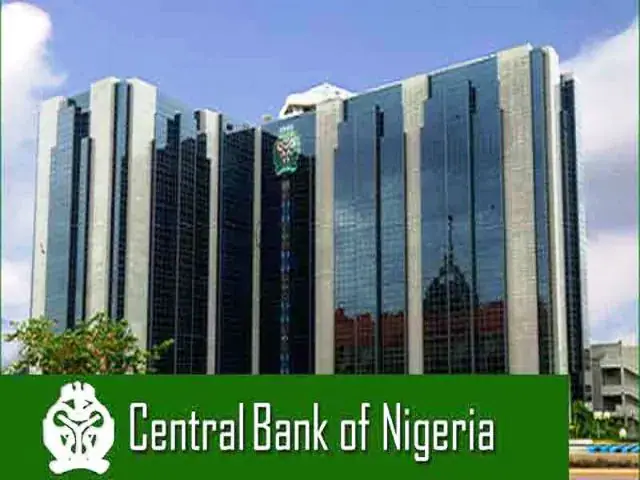
Nigeria's banking industry is facing a profitability test following the Central Bank of Nigeria's recapitalisation exercise, which concluded on March 31, 2026. Despite raising N4.65 trillion in fresh capital, banks are struggling to translate their strengthened capital positions into improved earnings. The industry is contending with mounting operating expenses, higher funding costs, credit impairments, regulatory pressures, and declining contributions from foreign exchange-related gains.
An analysis of the nine-month results of four major banking groups – First HoldCo, Guaranty Trust Holding Company (GTCO), Access Holdings, and Zenith Bank – showed that their combined profit before tax increased by 12.9 percent to N3.39 trillion from approximately N3 trillion in the corresponding period of 2025. However, the performance was uneven, with First HoldCo recording a 60.84 percent increase in profit before tax to N911.24 billion, while Zenith Bank's PBT rose marginally by 1.24 percent to N928.80 billion.
Financial analysts believe that the challenges confronting lenders are connected to a combination of legacy credit exposures, the withdrawal of regulatory forbearance, elevated monetary policy rates, rising deposit costs, tax obligations, and the gradual adjustment of banks' business models following the recapitalisation exercise. The reversal of regulatory forbearance and the recognition of previously deferred credit losses are significant factors affecting banks' profitability.
According to Stephen Iloba, a financial analyst, the withdrawal of regulatory concessions has compelled lenders to recognise previously deferred loan impairments, restructure troubled exposures, and strengthen their provisioning positions. This has led to substantial loan write-offs, estimated at approximately N2.9 trillion, representing about 62 percent of the fresh capital raised through the recapitalisation programme.
The high-interest-rate environment has also increased the cost of funds for financial institutions, with the CBN maintaining a tight monetary policy stance for much of the period under review. Although elevated interest rates initially provided opportunities for banks to earn higher returns from lending and investments, they also increased the cost of attracting and retaining deposits.
Cyril Amkpa, an Abuja-based economist, noted that the high-interest-rate environment has increased interest expenses and put pressure on the difference between what banks earn from loans and investments and what they pay on deposits. The pressure is evident in the performance of some major lenders, with GTCO's nine-month interest income increasing by five percent to N1.29 trillion, but interest expenses rising by 27.7 percent to N356 billion.
The CBN's aggressive monetary tightening has also affected the capacity of banks to deploy deposits towards income-generating lending activities, with the Cash Reserve Requirement (CRR) remaining a major consideration. With the CRR for deposit money banks at 45 percent, a substantial portion of banks' deposit liabilities is effectively sterilised, limiting the funds available for lending and other productive investments.
Key points
- Nigerian banks face profitability challenges despite N4.65 trillion capital raise
- Industry analysis shows uneven performance among major banking groups
- High-interest rates and regulatory pressures affect banks' earnings growth
Reporting sources
- Post-Recapitalisation: Nigeria’s Banks Face Profitability Test · Independent Nigeria