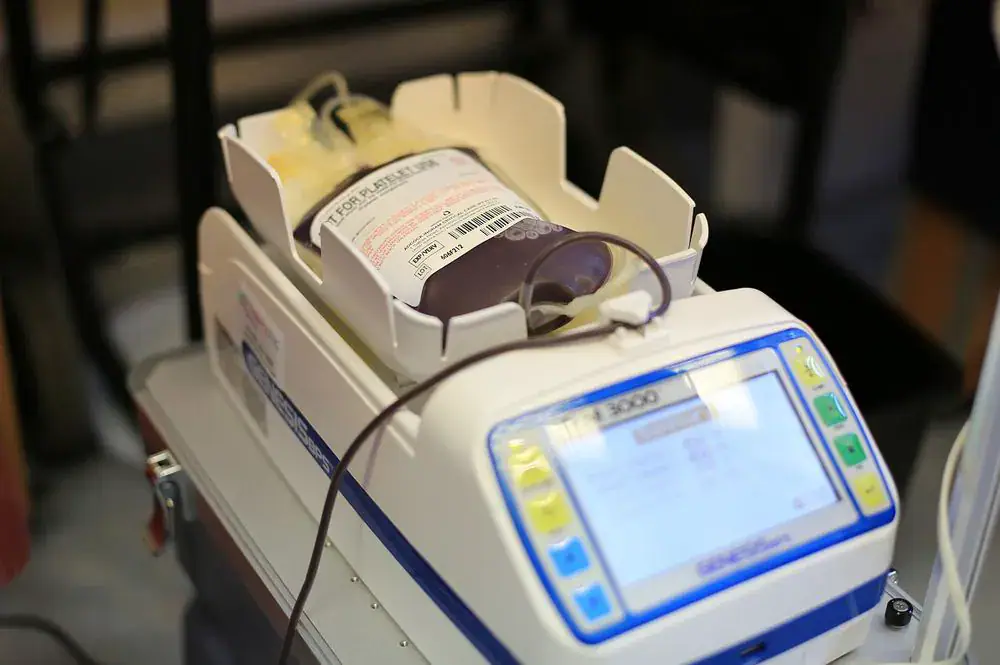
South Africa is facing a critical blood shortage, with the South African National Blood Service (SANBS) currently holding only 2.4 days' worth of stock. This is significantly below the organisation's target of seven days' worth of supply, which is considered necessary to be comfortable. SANBS clinical supervisor Kristen Govender stated that the organisation is facing a huge blood shortage crisis and encouraged more people of all blood types to donate.
The blood shortage comes as hospitals continue to require blood daily for various medical procedures, including operations, treating accident victims, mothers giving birth, cancer patients, and children with anaemia. The demand for blood is high, but the supply is limited, with fewer than 1% of South Africans being active blood donors. This means that less than one in every 100 people is responsible for supplying the rest of the country with blood.
To ensure a safe and sufficient blood supply in the healthcare system, SANBS needs to collect 3,000 units of blood daily. However, the organisation is not consistently meeting this target. SANBS aims to maintain enough stocks for five days to ensure patients in need can be supplied, but in some areas, it only has a three-day supply, putting people's lives at risk.
According to Govender, a unit of blood only lasts 42 days after donation, as it has to be collected, tested, separated, and used within weeks. It cannot be stockpiled for months. Each unit of blood can save a minimum of three lives, as blood is separated into red blood cells, plasma, and platelets, each used for a different patient with a different need.
Govender emphasised that SANBS needs donors of all blood types to address the shortage. The shortage is not a new issue, but SANBS says the current levels are critically low. If stocks drop further, hospitals could struggle to supply patients who need transfusions, potentially putting lives at risk.
The SANBS is urging eligible donors, particularly those between 16 and 45 years old, to donate blood. The organisation is working to resolve issues with its digitised system, which have impacted blood collection and distribution. By donating blood, individuals can help save lives and support the healthcare system.
The critical blood shortage highlights the need for increased awareness and action to address the issue. SANBS and healthcare professionals are working together to encourage donations and ensure a stable blood supply. By donating blood, individuals can make a significant difference in the lives of patients in need.
Key points
- SANBS needs to collect 3,000 units of blood daily to ensure a safe and sufficient blood supply in the healthcare system.
- Each unit of blood can save a minimum of three lives.
- Fewer than 1% of South Africans are active blood donors.