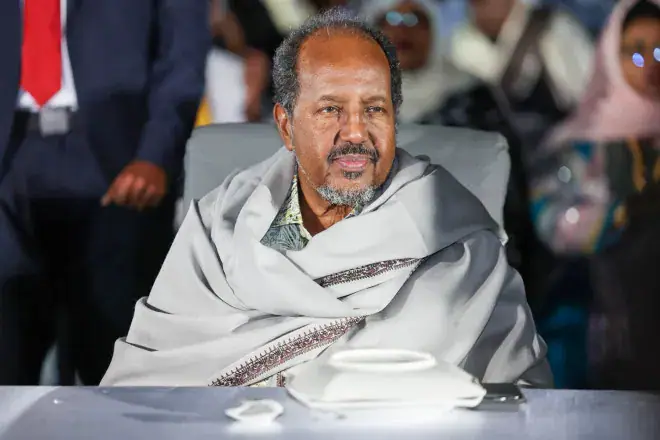
Somalia's former President Xasan Sheekh Maxamuud is currently navigating a pivotal moment in his political career, drawing parallels with the country's past under former President Mohamed Siyaad Barre. His current situation has sparked concerns among politicians and intellectuals, who are urging him to reconsider his stance and prioritize national unity and stability. This development has significant implications for Somalia's future, as the country continues to grapple with political and security challenges.
Xasan Sheekh's predicament is characterized by two distinct paths. The first option involves maintaining his current stance, refusing to compromise, and adhering to his political ideology, which could potentially destabilize the country and lead to chaos. The second path involves heeding the advice of his critics, making concessions, and prioritizing the preservation of Somalia's statehood and national unity. The choices he makes will have far-reaching consequences for the country.
Xasan Sheekh's past experiences, including the tumultuous period under Mohamed Siyaad Barre, have provided him with valuable lessons on the importance of prudent decision-making. His current situation demands a similar level of foresight and statesmanship. The international community, including the United Nations, has been closely monitoring Somalia's progress, and the country's future trajectory will likely be influenced by Xasan Sheekh's decisions.
The Somali community, including leaders and citizens, is anxiously watching Xasan Sheekh's moves, aware that his choices will have a lasting impact on the nation. His decisions will either contribute to the country's stability and progress or exacerbate existing challenges. The emphasis on preserving national unity and statehood underscores the gravity of the situation and the need for careful consideration.
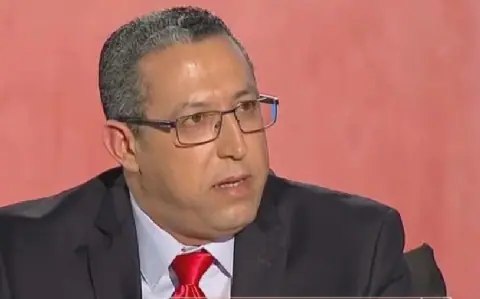
Cumar Cabdirashiid Cali Sharmarke, a former Prime Minister, and other politicians have been vocal in their appeals for Xasan Sheekh to reconsider his stance and work towards a more inclusive and collaborative approach. Their concerns highlight the need for a united front in addressing Somalia's challenges, including security, economic development, and state-building.
The situation is further complicated by the fact that Xasan Sheekh's decisions will not only affect his own political legacy but also have far-reaching implications for Somalia's relationships with international partners, including the United Nations, Egypt, Djibouti, and Ethiopia. These countries have been actively engaged in supporting Somalia's development and stability efforts.
Ultimately, Xasan Sheekh's choices will determine the course of Somalia's history, and the nation holds its breath as it awaits his decision. The international community and Somali citizens alike are invested in the country's future and hope that Xasan Sheekh will make informed, responsible choices that prioritize the nation's well-being and stability.
Key points
- Xasan Sheekh faces two distinct paths: maintaining his current stance or making concessions to prioritize national unity and stability.
Reporting sources
- Xasan Sheekh iyo laba waddo oo taariikhdu hortaal · Hiiraan Online