Somalia is currently navigating a complex geopolitical landscape as it strives to establish itself as a consequential actor in the region. The renewed crisis between Ethiopia, Eritrea, and Egypt presents a significant test of Mogadishu's ability to sustain its ambitions. The conflict in northern Ethiopia has far-reaching implications, affecting not only the region but also Somalia's strategic interests. Mogadishu must carefully balance its relationships with various countries to protect its interests while avoiding entanglement in a potentially devastating war.
Ethiopia's instability poses both risks and opportunities for Somalia. The two countries share a long border, extensive economic and security ties, and a complicated political history. Ethiopian forces have played a crucial role in Somalia's security architecture, including through the African Union Support and Stabilization Mission in Somalia. Any significant deterioration in Ethiopia could have immediate implications for Somalia, including the potential reconfiguration of AUSSOM, border security, and counterinsurgency operations.
The deterioration of relations between Ethiopia and Eritrea significantly changes the equation for Somalia. The two countries' rapprochement in 2018 temporarily reduced one of the region's most consequential rivalries, but the latest diplomatic rupture raises the possibility of competing security blocs in the Horn. Mogadishu must maintain constructive relations with Eritrea while preserving its strategic partnership with Ethiopia, all while navigating growing defense cooperation with Egypt and Türkiye.
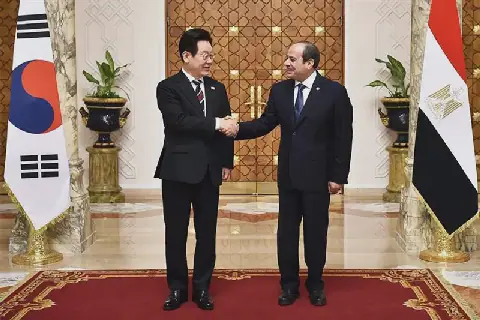
Egypt's growing engagement with Somalia is understandable, given Cairo's strategic interests in the region. Egyptian military cooperation can provide useful capabilities, training, and institutional support to Somalia. However, Mogadishu must ensure that its partnerships with Egypt and other countries strengthen Somali state capacity without transforming Somalia into a platform for someone else's regional strategy.
The 2024 Ankara Declaration offers Somalia an important diplomatic framework for navigating its relationships with regional countries. The agreement helped de-escalate the confrontation that followed Ethiopia's maritime-access understanding with Somaliland, and its central logic remains relevant. The renewed Ethiopian crisis makes that framework more important than ever, as Ethiopia's strategic need for maritime access is unlikely to disappear.
Somalia should prepare for an Ethiopian military redeployment, which could have significant implications for the country's security architecture. Mogadishu should work with the African Union and AUSSOM partners on contingency planning for different scenarios, including a reduction or reconfiguration of Ethiopian forces. This requires recognizing that Somali security policy should not depend on assumptions about another country's domestic military requirements.
The long-term objective for Somalia is to establish a security architecture capable of functioning regardless of which external partner is able or willing to contribute troops. The maritime dimension may ultimately matter most, as Somalia's coastline sits alongside the Gulf of Aden and near one of the world's most important shipping lanes. Mogadishu must carefully balance its relationships with regional countries to protect its interests and maintain strategic consistency.
Key points
- Somalia must maintain strategic consistency in its foreign policy to navigate the complex geopolitical landscape.
- The country's partnerships with regional countries should strengthen Somali state capacity without transforming Somalia into a platform for someone else's regional strategy.
- Somalia's security architecture should be capable of functioning regardless of which external partner is able or willing to contribute troops.