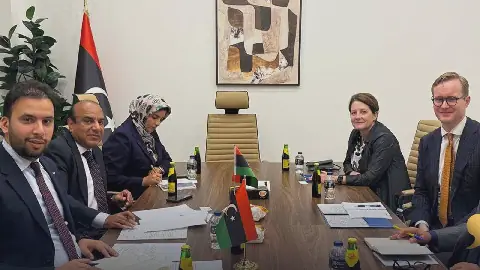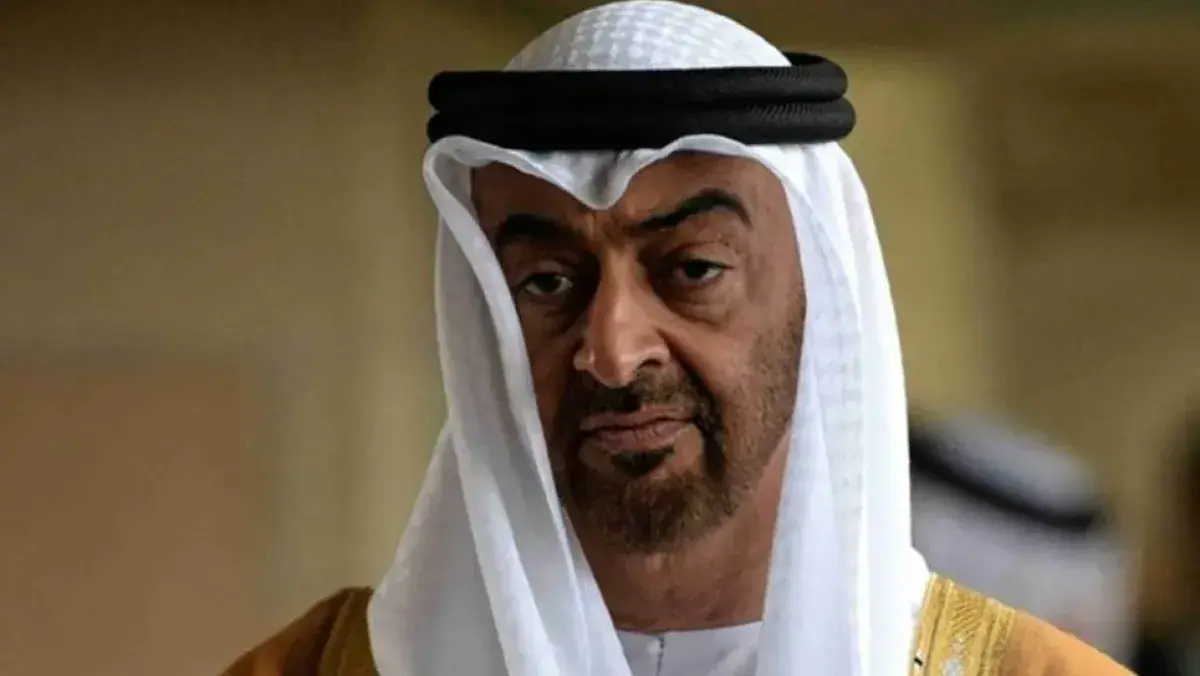
The Somali government has expelled the UAE ambassador to Mogadishu, citing interference in its internal affairs. The move comes after a stern warning from Somali President Hassan Sheikh Mahmoud, who accused the UAE of meddling in Somalia's affairs and undermining its unity and sovereignty. The expulsion was announced by Somali Information Minister Abdulfatah Qasim, who gave the ambassador 72 hours to leave the country.
President Mahmoud's address to the nation highlighted several key issues, including the UAE's involvement in Somalia's port agreements and its support for regional separatist movements. He specifically criticized the UAE for signing agreements with local administrations in Somalia, rather than with the federal government. The president also accused the UAE of fuelling conflicts in Yemen, Libya, and Sudan, and warned that Abu Dhabi's actions could destabilize the entire region.
The diplomatic row between Somalia and the UAE has been escalating over recent weeks. On Wednesday, Somalia expressed its deep concern over what it described as UAE's continued interference in its internal affairs. The Somali government views these actions as a threat to its sovereignty and national unity. In response, the UAE's actions have been condemned by Somalia as a "blatant act of aggression".
A recent report by the Swiss Agency for Development and Cooperation (SDC) has shed light on the UAE's role in the global gold trade, particularly in relation to conflict-affected areas in Africa. The report revealed that the UAE remains a major destination for gold linked to armed conflicts in Africa, despite new regulations aimed at curbing illicit flows. In 2024, the UAE imported at least 591 tonnes of gold of which 174.5 tonnes came from Yemen and Sudan.
The SDC report also highlighted the complexity of the gold trade in the UAE, with many shipments passing through intermediary countries before reaching Dubai. The report's findings have raised concerns about the UAE's ability to regulate its gold trade and prevent the flow of conflict gold. The Somali government's decision to expel the UAE ambassador has been seen as a significant escalation in the diplomatic row between the two countries.
The UAE's role in the global gold trade has been the subject of increasing scrutiny in recent years. The country's reputation as a major hub for gold trading has been tarnished by allegations of money laundering and illicit gold flows. The Somali government's criticism of the UAE's gold trade practices is likely to add to these concerns and put further pressure on the UAE to address these issues.
The diplomatic crisis between Somalia and the UAE is likely to have significant implications for regional politics and trade. The expulsion of the UAE ambassador is a clear indication of the Somali government's determination to assert its sovereignty and protect its interests. The UAE's response to the expulsion is yet to be seen, but it is likely to have significant repercussions for the region.
Key points
- Somalia expels UAE ambassador over interference claims
- UAE's role in global gold trade raises concerns
- Diplomatic row between Somalia and UAE escalates
Reporting sources
- "حكام الإمارات ما دخلوا أرضا إلا أفسدوها" · elkhabar.com